Zambia diversifies electricity sources to protect economy from climate shocks – SRK Consulting



NYANKHUNDI PHIRI SRK Consulting Zambia country manager
DARRYLL KILLIAN SRK Consulting South Africa environmental, social and governance partner and principal sustainability consultant




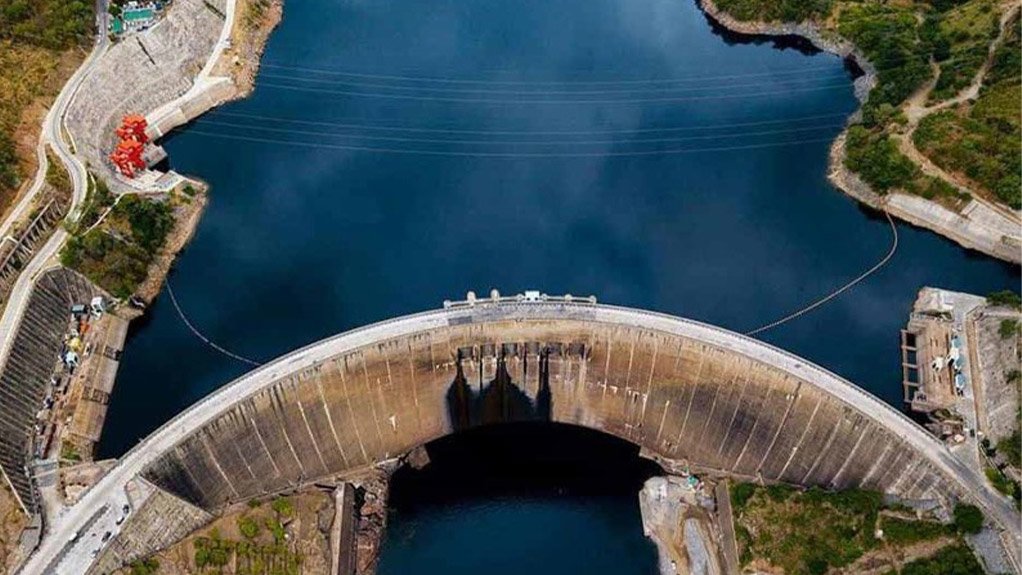
Zambia is breaking its reliance on hydropower to protect its economy from devastating droughts, says global engineering and scientific consultancy SRK Consulting Zambia country manager Nyankhundi Phiri.
Guided by the nation’s Integrated Resource Plan, he says a significant energy overhaul is taking place to reduce hydropower’s share of the energy mix from the current 85% to about 50% by 2030.
To guarantee electricity security, Zambia is expanding its solar and thermal power capacity to protect the country’s grid from severe, climate-induced droughts.
Severe, climate-induced droughts drastically lower water reservoirs, exposing the grid’s extreme vulnerability and triggering widespread deficits across the hydropower-dependent nation.
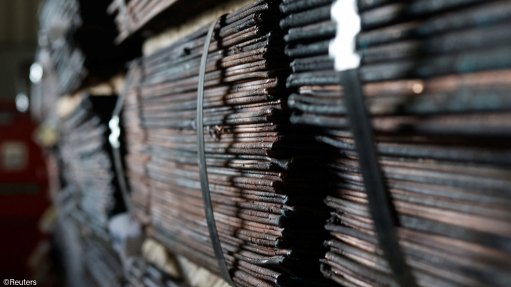
Phiri points out that Zambia will need to generate 10 000 MW of electricity by 2031 to meet its targeted ramp-up in copper production to three-million tonnes a year.
At present, Zambia has successfully expanded its installed generating capacity to 4 722 MW from 3 777 MW in 2024 – including a surge to 1 027 MW of solar power from 178 MW.
“Solar paired with battery storage can convert Zambia’s abundant but intermittent renewable resource into firmer power, which is what mines and mineral processing need,” Phiri notes.
SRK Consulting South Africa environmental, social and governance (ESG) partner and principal sustainability consultant Darryll Kilian agrees with Phiri that solar, battery energy storage and stronger grid infrastructure can play a major role in supporting Zambia’s growing electricity demand, particularly as copper and the production of other critical minerals expand.
“Solar PV is attractive as projects can be deployed relatively quickly and can reduce dependence on hydropower during periods of drought.”
“Increasing solar capacity can also reduce the pressure for additional hydropower development, which can involve significant investment and environmental and social impacts,” Kilian says.
Following the release of the new Electricity Transmission Grid Code in late 2025, Phiri highlights that Zambia is also investing heavily in new power lines connecting to grid infrastructure in Tanzania and the Democratic Republic of Congo (DRC) as a way of establishing itself as a regional energy trading hub.
“Grid and interconnector investment such as the Kalumbila-Kolwezi Interconnector, the $1.2-billion World Bank/EU-backed Zambia-Tanzania Interconnector linking the Southern and Eastern Africa power pools, and Copperbelt Energy Corporation’s investment in strategic transmission infrastructure and renewable-energy generation projects, will directly reduce overreliance on domestic hydropower by giving Zambia access to surplus hydropower or gas power generated in Tanzania,” Phiri notes.
Zambia, the DRC and Tanzania are among 12 country members of the Southern African Power Pool (SAPP), which coordinates the cross-border trading of electricity among utilities and independent power producers in the Southern African Development Community region.
Kilian points out that the Zambian government is currently also modernising its energy distribution network through a 15-year grid resilience programme. The African Development Bank supported a debt-for-energy transaction backed by a $600-million loan, which is expected to unlock $275-million for investment in Zambia’s energy sector.
Meanwhile, he says a stronger Southern African electricity market would also give Zambia greater flexibility to export power when generation is strong and import electricity from other SAPP member countries during periods of drought or domestic supply constraints.
“Importantly, solar and hydropower can work together rather than compete. Increased solar generation during the day can reduce pressure on hydropower resources, allowing reservoir water to be conserved for evening peaks and periods of lower renewable generation,” Kilian notes.
Bankability, ESG, Stakeholder Engagement
Moreover, Kilian asserts that early environmental and social planning is key to ensuring energy projects are developed successfully and able to secure funding in a timeous manner.
He also encourages energy project developers to consider lender requirements from the outset, rather than treating them as an additional requirement only at the financing stage, to reduce project delays and redesign, improve stakeholder acceptance and strengthen the bankability of a project.
Phiri, meanwhile, warns developers against stopping engagement with affected surrounding communities once the environmental- and social-impact assessment (ESIA) of energy projects is approved.
“Expectations about jobs and local benefits raised during consultation are sometimes not matched by what happens on site, especially where consent for projects on customary land is patchy,” he says.
However, Phiri highlights that the current policy trend is encouraging, with ESIA and new Gender-Impact Assessment guidelines requiring developers to consider how projects may affect women, men and different community groups. They also encourage continuous, properly funded engagement, clear grievance routes, visible community liaison staff and negotiated benefit sharing, all of which strengthen the social licence and make projects investable.
Kilian adds that the key is to engage early, communicate clearly about both the opportunities and limitations of an energy project and maintain engagement throughout project development and operation.
“Potential constraints associated with land, communities, biodiversity and permitting are much easier to address when they are identified during project planning rather than once designs and investment decisions are already advanced,” he says.
In the end, securing Zambia’s energy future will rely as much on the rollout of physical cables and solar panels as it will on building continuous, transparent relationships with the communities hosting those infrastructure installations.
SRK Consulting helps energy companies in Zambia to develop resilient, bankable projects by combining technical, environmental, social and ESG expertise – from early site screening, climate-risk, water and geotechnical studies to permitting, lender-aligned ESMS, stakeholder engagement and construction-phase compliance monitoring.
Article Enquiry
Email Article
Save Article
Feedback
To advertise email advertising@creamermedia.co.za or click here
Research Reports

Projects


Latest Multimedia

Latest News
Showroom

The Aluminium Federation of South Africa (AFSA), is the voice of the South African aluminium industry.
VISIT SHOWROOM
Willard Batteries is one of the leading brands in automotive battery power products. With a rich history spanning over 70 years, Willard batteries...
VISIT SHOWROOM


Announcements
What's On
Subscribe to improve your user experience...
Option 1 (equivalent of R125 a month):
Receive a weekly copy of Creamer Media's Engineering News & Mining Weekly magazine
(print copy for those in South Africa and e-magazine for those outside of South Africa)
Receive daily email newsletters
Access to full search results
Access archive of magazine back copies
Access to Projects in Progress
Access to ONE Research Report of your choice in PDF format
Option 2 (equivalent of R375 a month):
All benefits from Option 1
PLUS
Access to Creamer Media's Research Channel Africa for ALL Research Reports, in PDF format, on various industrial and mining sectors
including Electricity; Water; Energy Transition; Hydrogen; Roads, Rail and Ports; Coal; Gold; Platinum; Battery Metals; etc.
Already a subscriber?
Forgotten your password?
Receive weekly copy of Creamer Media's Engineering News & Mining Weekly magazine (print copy for those in South Africa and e-magazine for those outside of South Africa)
➕
Recieve daily email newsletters
➕
Access to full search results
➕
Access archive of magazine back copies
➕
Access to Projects in Progress
➕
Access to ONE Research Report of your choice in PDF format
RESEARCH CHANNEL AFRICA
R4500 (equivalent of R375 a month)
SUBSCRIBEAll benefits from Option 1
➕
Access to Creamer Media's Research Channel Africa for ALL Research Reports on various industrial and mining sectors, in PDF format, including on:
Electricity
➕
Water
➕
Energy Transition
➕
Hydrogen
➕
Roads, Rail and Ports
➕
Coal
➕
Gold
➕
Platinum
➕
Battery Metals
➕
etc.
Receive all benefits from Option 1 or Option 2 delivered to numerous people at your company
➕
Multiple User names and Passwords for simultaneous log-ins
➕
Intranet integration access to all in your organisation