The community investment gap in South Africa - why skills development must lead to economic opportunity





This article has been supplied.
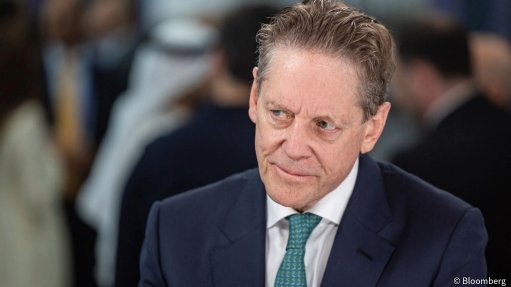
By: Jacques Farmer – MD at PRISMA Training
Community upliftment is a critical responsibility for any mining operation. Securing a license to mine and meeting regulatory standards depends heavily on Social and Labour Plan commitments. However, a significant gap often remains between investment in community initiatives and the long-term economic progress of the surrounding communities.
For years, community investment has produced short-term projects that fail to create lasting value. Funds are spent to meet compliance targets, training is delivered, and certificates are issued, yet there is often no mechanism to track long-term outcomes. When training happens without proper research or consultation, community members end up with qualifications that do not lead to jobs. True upliftment requires moving past box-ticking and focusing on practical skills that connect directly to real economic opportunities.
A two-part approach to skills development
Closing this gap requires a clear, two-part strategy that aligns training with real-world needs.
First, training must prepare local community members for open roles within the mining operation. In areas where mining activity is high but skilled labour is scarce, targeted programmes can help transform local residents into work-ready candidates for technical jobs. This helps address operational skills shortages while creating direct employment opportunities for the community.
Second, training must build skills that exist independently of the mine. Operations have a limited lifespan and cannot employ an entire town. Training programmes must also focus on portable technical and business skills that allow people to generate income in other sectors. Equipping community members to start businesses or work elsewhere ensures that local economic activity continues even when a mine eventually closes.
Future-proof skills and community alignment
Creating lasting value means moving away from generic, outdated training projects that offer little long-term use. Training a whole village in basic agriculture or short-term tasks might check an immediate compliance box, but it rarely builds sustainable independence. Skills planning should focus on future-fit capabilities, identifying trades and technical qualifications that are likely to remain relevant over the next decade rather than skills at risk of becoming obsolete.
Identifying these needs requires close collaboration between employers, government, and local community leaders. Examining sector shortage data and organised labour reports provides a clear picture of high-demand jobs. However, the most vital step is direct consultation with local community leaders and unemployment forums. Engaging directly with these stakeholders helps ensure that training programmes receive local support and address genuine economic gaps.
Driving outcomes through specialised training partners
Mining houses specialise in operational efficiency and mineral extraction, but delivering measurable economic upliftment requires a dedicated focus on human capital outcomes. Partnering with a specialised training provider shifts the focus from simply completing courses to securing tangible results.
A specialised partner structures training interventions around definite end-goals, ensuring that every learner achieves workplace readiness, accredited competency, or enterprise capability. Rather than measuring success by the number of certificates issued, an outcomes-focused partner takes accountability for post-training outcomes, tracking metrics such as local placement rates, new business ventures, and sustained income generation. Working with a specialist partner helps ensures that social investment budgets deliver measurable value for both the mine and the surrounding community.
Tracking results instead of attendance
Employers, training providers, and regulators must share responsibility for the full lifecycle of a training project. Social investment cannot end the moment a training course finishes or a graduation ceremony takes place.
Sustainable development requires continuous tracking to measure how many participants find work, start businesses, or improve their income. Building systems that monitor the long-term impact of training creates greater accountability for both the mine and the community.
Training must never happen simply to satisfy a regulator or secure a permit. Aligning skills development with actual market needs, focusing on future-fit capabilities, partnering with specialised experts, and measuring real-world impact can help ensure that corporate social investment delivers lasting, self-sustaining economic participation.
Article Enquiry
Email Article
Save Article
Feedback
To advertise email advertising@creamermedia.co.za or click here
Research Reports
Projects



Latest News
Showroom

The Aluminium Federation of South Africa (AFSA), is the voice of the South African aluminium industry.
VISIT SHOWROOM
Multotec, recognised industry leaders in metallurgy and process engineering help mining houses across the world process minerals more efficiently,...
VISIT SHOWROOM



Announcements
What's On
Subscribe to improve your user experience...
Option 1 (equivalent of R125 a month):
Receive a weekly copy of Creamer Media's Engineering News & Mining Weekly magazine
(print copy for those in South Africa and e-magazine for those outside of South Africa)
Receive daily email newsletters
Access to full search results
Access archive of magazine back copies
Access to Projects in Progress
Access to ONE Research Report of your choice in PDF format
Option 2 (equivalent of R375 a month):
All benefits from Option 1
PLUS
Access to Creamer Media's Research Channel Africa for ALL Research Reports, in PDF format, on various industrial and mining sectors
including Electricity; Water; Energy Transition; Hydrogen; Roads, Rail and Ports; Coal; Gold; Platinum; Battery Metals; etc.
Already a subscriber?
Forgotten your password?
Receive weekly copy of Creamer Media's Engineering News & Mining Weekly magazine (print copy for those in South Africa and e-magazine for those outside of South Africa)
➕
Recieve daily email newsletters
➕
Access to full search results
➕
Access archive of magazine back copies
➕
Access to Projects in Progress
➕
Access to ONE Research Report of your choice in PDF format
RESEARCH CHANNEL AFRICA
R4500 (equivalent of R375 a month)
SUBSCRIBEAll benefits from Option 1
➕
Access to Creamer Media's Research Channel Africa for ALL Research Reports on various industrial and mining sectors, in PDF format, including on:
Electricity
➕
Water
➕
Energy Transition
➕
Hydrogen
➕
Roads, Rail and Ports
➕
Coal
➕
Gold
➕
Platinum
➕
Battery Metals
➕
etc.
Receive all benefits from Option 1 or Option 2 delivered to numerous people at your company
➕
Multiple User names and Passwords for simultaneous log-ins
➕
Intranet integration access to all in your organisation