Solar and storage costs boost renewables’ competitiveness in Africa

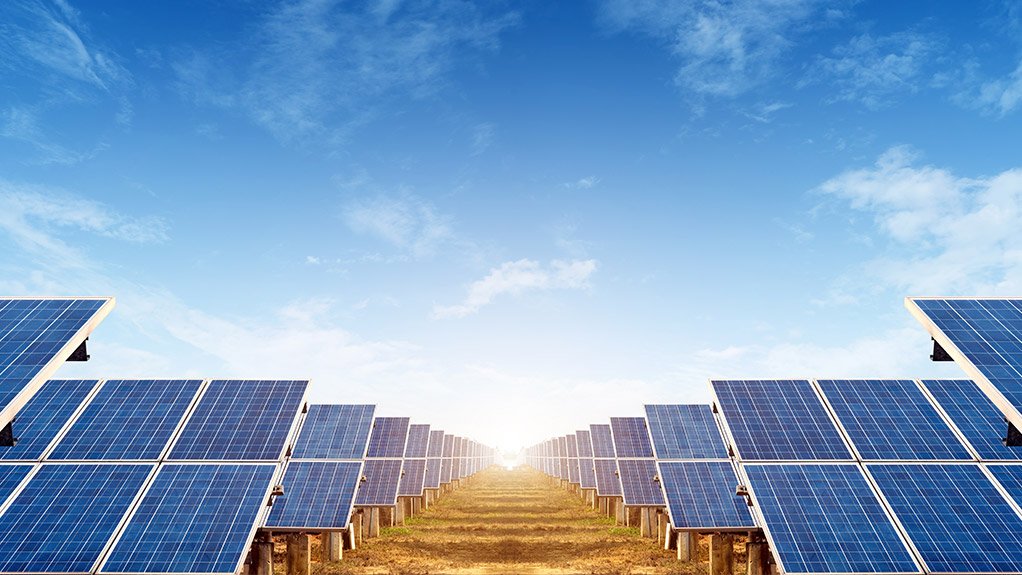


The declining cost of solar photovoltaic energy and battery energy storage systems (BESS) is strengthening the competitiveness of renewables in Africa, although limited early-stage project development funding and grid infrastructure remain significant constraints.
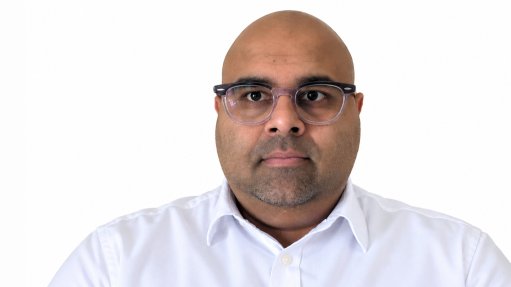
Alliance for Green Infrastructure in Africa Project Development Fund (AGIA-PD) executive director Anas Charafi said solar energy had made substantial progress over the past decade, with installed capacity across the continent increasing from about 2 GW to at least 30 GW. He suggested the total could be as high as 60 GW, given the difficulty of tracking the numerous smaller solar projects.
Electricity Company of Ghana chairperson William Amuna also highlighted the substantial decline in solar energy costs over the past 15 years, alongside falling battery storage costs. BESS enables solar power to be stored and dispatched when generation is low, including during evening peak-demand periods.
Charafi said the combination of solar and storage was becoming increasingly competitive, offering greater scope for renewable energy to contribute to electricity supply beyond daylight hours.
However, Amuna cautioned that the economics of solar projects depended on local conditions and associated infrastructure costs. In Ghana, for example, developing a large solar plant could require a dedicated electrical substation, adding to project costs, particularly where the plant operated below optimal capacity.
He also pointed to the impact of weather conditions, noting that Ghana could experience four consecutive days of rain, reducing solar generation.
Despite these challenges, Amuna argued that solar energy remained attractive from an energy-security perspective. While sunlight was freely available, fossil-fuel supply chains remained exposed to disruptions and price volatility, as geopolitical tensions had demonstrated.
Charafi identified early-stage project development as a key obstacle to expanding energy infrastructure investment in Africa. Once projects had been properly developed, raising capital was generally more straightforward, he said. Securing risk capital to fund the initial development phase, however, remained difficult.
AGIA-PD had consequently increased its focus on early-stage project development. Charafi said the fund had reached about $120-million and was attracting commercial funding through hybrid financing models.
He added that combining different financing approaches with more dispatchable energy solutions could support greater renewable energy deployment, subject to grid capacity constraints.
Grid infrastructure required particular attention, Charafi warned, as transmission networks generally took longer to plan and develop than renewable energy projects. Insufficient investment in grids could therefore limit the pace at which new generation capacity was connected.
He identified opportunities for private-sector participation through public-private partnerships and independent power transmission (IPT) projects.
AGIA-PD was working with an Indian company on an IPT project in Kenya, which Charafi believed could demonstrate the potential for private investment in African transmission infrastructure.
He noted that private investment in electricity grids had exceeded $100-billion globally, arguing that similar models could be replicated across Africa to help address infrastructure constraints and enable further renewable energy development.
Article Enquiry
Email Article
Save Article
Feedback
To advertise email advertising@creamermedia.co.za or click here
Research Reports

Projects

Latest Multimedia


Latest News
Showroom

Axiom Hydraulics is a trusted leader in South Africa’s hydraulic industry, delivering world-class components, systems, and engineering expertise...
VISIT SHOWROOM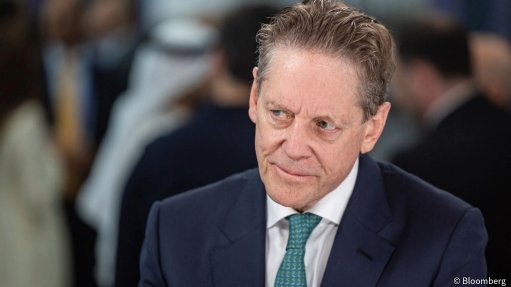

Announcements
What's On
Subscribe to improve your user experience...
Option 1 (equivalent of R125 a month):
Receive a weekly copy of Creamer Media's Engineering News & Mining Weekly magazine
(print copy for those in South Africa and e-magazine for those outside of South Africa)
Receive daily email newsletters
Access to full search results
Access archive of magazine back copies
Access to Projects in Progress
Access to ONE Research Report of your choice in PDF format
Option 2 (equivalent of R375 a month):
All benefits from Option 1
PLUS
Access to Creamer Media's Research Channel Africa for ALL Research Reports, in PDF format, on various industrial and mining sectors
including Electricity; Water; Energy Transition; Hydrogen; Roads, Rail and Ports; Coal; Gold; Platinum; Battery Metals; etc.
Already a subscriber?
Forgotten your password?
Receive weekly copy of Creamer Media's Engineering News & Mining Weekly magazine (print copy for those in South Africa and e-magazine for those outside of South Africa)
➕
Recieve daily email newsletters
➕
Access to full search results
➕
Access archive of magazine back copies
➕
Access to Projects in Progress
➕
Access to ONE Research Report of your choice in PDF format
RESEARCH CHANNEL AFRICA
R4500 (equivalent of R375 a month)
SUBSCRIBEAll benefits from Option 1
➕
Access to Creamer Media's Research Channel Africa for ALL Research Reports on various industrial and mining sectors, in PDF format, including on:
Electricity
➕
Water
➕
Energy Transition
➕
Hydrogen
➕
Roads, Rail and Ports
➕
Coal
➕
Gold
➕
Platinum
➕
Battery Metals
➕
etc.
Receive all benefits from Option 1 or Option 2 delivered to numerous people at your company
➕
Multiple User names and Passwords for simultaneous log-ins
➕
Intranet integration access to all in your organisation