Engineering faculties turn to AI detection to protect graduate skill standards




This article has been supplied.
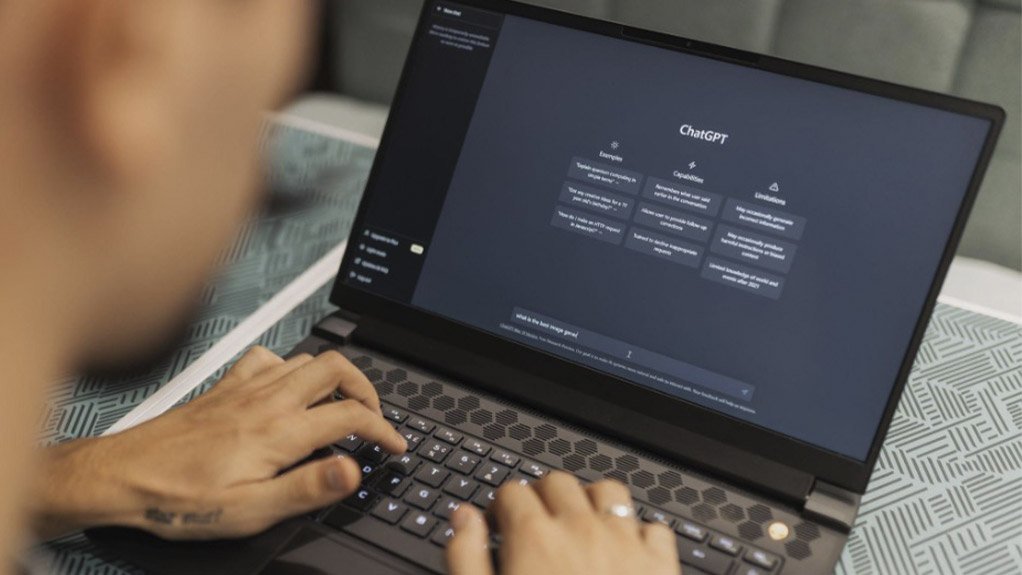
South Africa’s industrial sector relies on a steady flow of skilled graduates coming out of the nation’s engineering and technical universities. As digital systems change manufacturing, building and mining, these universities face a massive shift in how students work. Artificial intelligence tools have quickly moved from experimental to daily study routines. Recent global data from the Higher Education Policy Institute shows that student AI adoption has become almost universal, with over 90% of undergraduates using synthetic text models to assist with their coursework [1]. While these programmes can help summarise dense research, using them carelessly for engineering assignments poses a serious threat to technical education.
To keep South African engineering degrees respected around the world, universities are turning to specialised checking tools. Using an AI detector can give universities the oversight they need to review submitted work fairly, ensuring that key problem-solving skills, maths abilities, and original designs come from the students themselves.
Widespread Adoption Challenges STEM Lecturers
University faculties across South Africa report a sharp rise in synthetic text appearing in technical coursework. Engineering departments, which evaluate hundreds of design submissions and laboratory logs each semester, face an unprecedented challenge in confirming document origin.
Recent research from global education bodies highlights how rapidly changing language models blur the line between real student effort and automated shortcuts [2]. Standard proofreading can easily mask underlying technical gaps, making it difficult for faculty members to evaluate true student understanding through written reports alone. Lecturers frequently spot student submissions that read smoothly on the surface but contain flawed calculations or fabricated citations.
Teaching staff point to three primary operational risks:
First, well-written paragraphs easily hide a student's lack of grasp of basic machine parts, heat systems, or electrical circuits, for example. Secondly, software models frequently invent rule numbers, material strengths, or study sources that look real at first glance. Finally, clear technical writing is also a core requirement for getting a professional engineering licence, yet ready-made software templates replace true understanding with quick shortcuts.
Without strong checking methods, educators warn that traditional grading practices risk measuring how well a student can type instructions into a computer rather than their real engineering talent.
Campus Rules Move Toward Managed Use
The response across South African campuses is not a total ban on modern software. Deans and department heads emphasise that working engineers must understand data, computer models, and automated machines. Instead, institutions are updating academic integrity policies to establish clear boundaries between helpful software and unverified submissions.
Current institutional measures focus on a practical, multi-part approach. Rules now specify what help from software is allowed, like fixing code or correcting spelling, and what is strictly forbidden, such as explaining main ideas, writing background summaries, or creating original design maths. Department heads are adding more spoken tests and in-person design sessions to complement written reports. Faculties are also deploying detection platforms to process high volumes of homework quickly. Automated tools allow teachers to flag suspicious papers right away for a closer look, keeping grading fair across large classes without adding extra paperwork.
Identifying Synthetic Text in Technical Reports
Finding computer-generated writing in technical papers requires tools that can spot the difference between normal student writing and software patterns. Effective checking tools look at written work using two main ideas, known as perplexity and burstiness.
Perplexity measures how surprising or varied the word choices are. Human writing contains natural, unexpected words, whereas software picks the most common words that usually follow one another. Burstiness measures how much sentence length and style change throughout a paper.
Human writers naturally mix short, direct assertions with longer, compound explanations. Synthetic text tends to follow uniform, rhythmic patterns throughout an entire document. When applied to technical reports, modern tools evaluate these statistical anomalies alongside standard formatting markers to deliver accurate probability scores without disrupting normal grading routines.
Protecting the Future of South African Industry
South Africa’s engineering field continues to face major challenges, including power grid repairs and water system projects. The country’s growth depends entirely on a steady supply of new workers who can think for themselves, fix problems on site, and design new solutions.
By combining clear rules with reliable checking tools, South African universities can use helpful new software without lowering the high standards of a degree course. Protecting the quality of university work ensures that when students graduate and commence employment, their degrees prove real skill and dependable engineering ability.
Sources:
[1.] https://www.hepi.ac.uk/reports/student-generative-ai-survey-2026/
[2.] https://www.cedefop.europa.eu/en/tools/vet-toolkit-tackling-early-leaving/resources/guidance-generative-ai-education-and-research-unesco
Article Enquiry
Email Article
Save Article
Feedback
To advertise email advertising@creamermedia.co.za or click here
Research Reports

Projects


Latest News


Showroom

ROSOND provides fast, efficient, safe, and cost-effective drilling and grouting services to mining and exploration industries throughout Africa.
VISIT SHOWROOM
North Ridge Pumps is an independent manufacturer of pumps. We have a proven track record for product support and customer service throughout the...
VISIT SHOWROOM

Announcements
What's On
Subscribe to improve your user experience...
Option 1 (equivalent of R125 a month):
Receive a weekly copy of Creamer Media's Engineering News & Mining Weekly magazine
(print copy for those in South Africa and e-magazine for those outside of South Africa)
Receive daily email newsletters
Access to full search results
Access archive of magazine back copies
Access to Projects in Progress
Access to ONE Research Report of your choice in PDF format
Option 2 (equivalent of R375 a month):
All benefits from Option 1
PLUS
Access to Creamer Media's Research Channel Africa for ALL Research Reports, in PDF format, on various industrial and mining sectors
including Electricity; Water; Energy Transition; Hydrogen; Roads, Rail and Ports; Coal; Gold; Platinum; Battery Metals; etc.
Already a subscriber?
Forgotten your password?
Receive weekly copy of Creamer Media's Engineering News & Mining Weekly magazine (print copy for those in South Africa and e-magazine for those outside of South Africa)
➕
Recieve daily email newsletters
➕
Access to full search results
➕
Access archive of magazine back copies
➕
Access to Projects in Progress
➕
Access to ONE Research Report of your choice in PDF format
RESEARCH CHANNEL AFRICA
R4500 (equivalent of R375 a month)
SUBSCRIBEAll benefits from Option 1
➕
Access to Creamer Media's Research Channel Africa for ALL Research Reports on various industrial and mining sectors, in PDF format, including on:
Electricity
➕
Water
➕
Energy Transition
➕
Hydrogen
➕
Roads, Rail and Ports
➕
Coal
➕
Gold
➕
Platinum
➕
Battery Metals
➕
etc.
Receive all benefits from Option 1 or Option 2 delivered to numerous people at your company
➕
Multiple User names and Passwords for simultaneous log-ins
➕
Intranet integration access to all in your organisation