Cementation Africa Drives Zibulo North Shaft Success Through Innovation And Underground Expertise

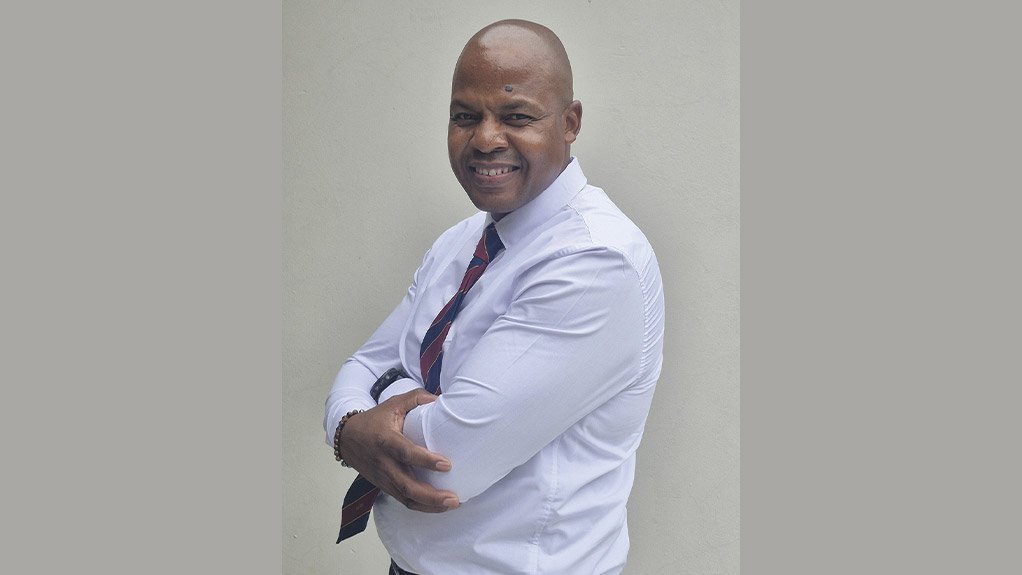
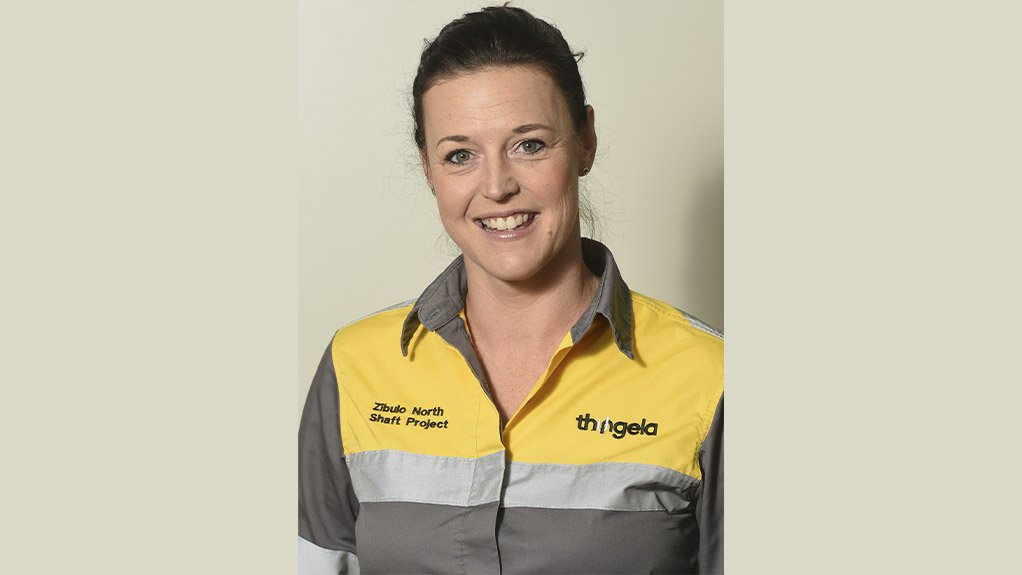
Peter Mazibuko, Project Manager at Cementation Africa
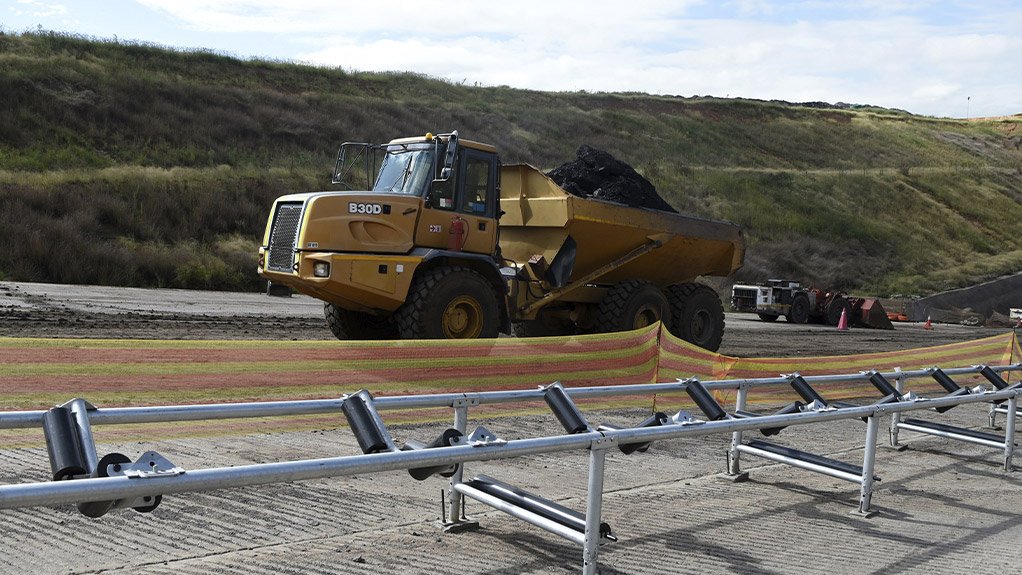
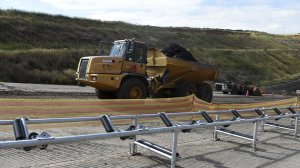
Ore handling systems, including articulated dump trucks (ADTs), LHD cleaning operations and temporary conveyor structures
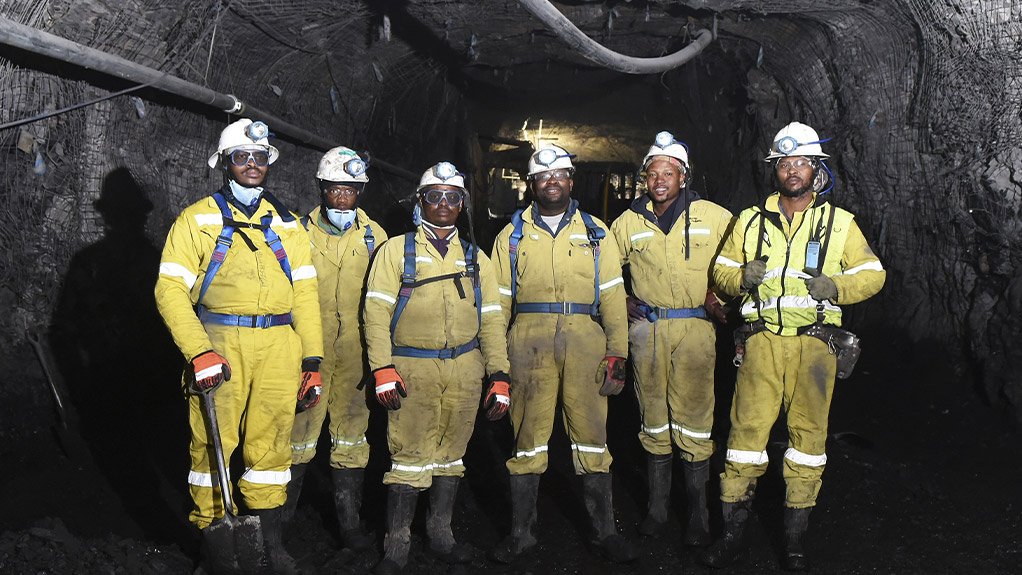
A strong commitment to safety, teamwork and disciplined execution ensured project schedules were achieved
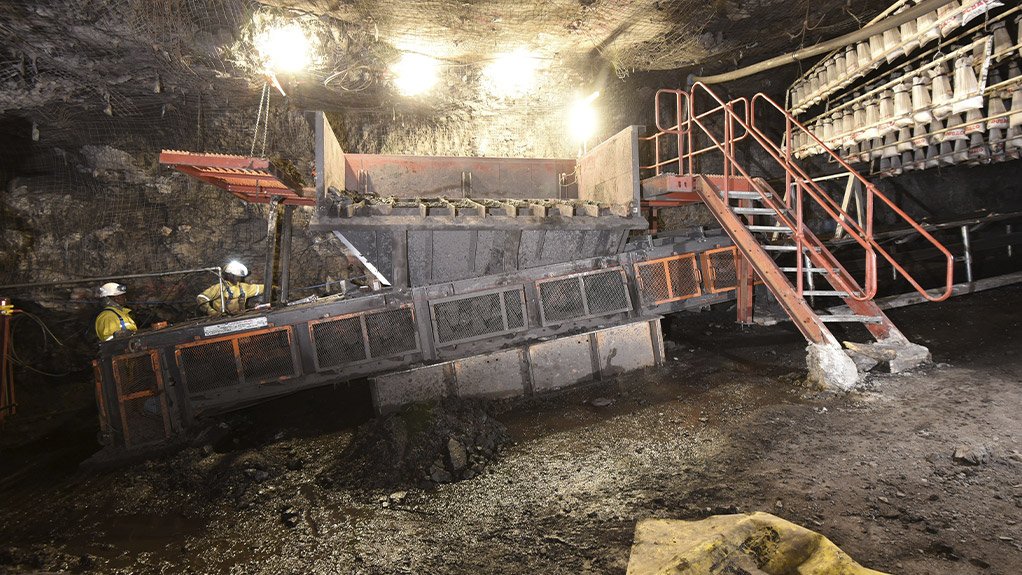
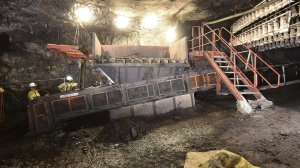
An underground tipping point with a temporary conveyor structure installed to support decline mining. The stone dust barrier on the right provides a critical safety measure to mitigate the risk of underground coal dust explosions
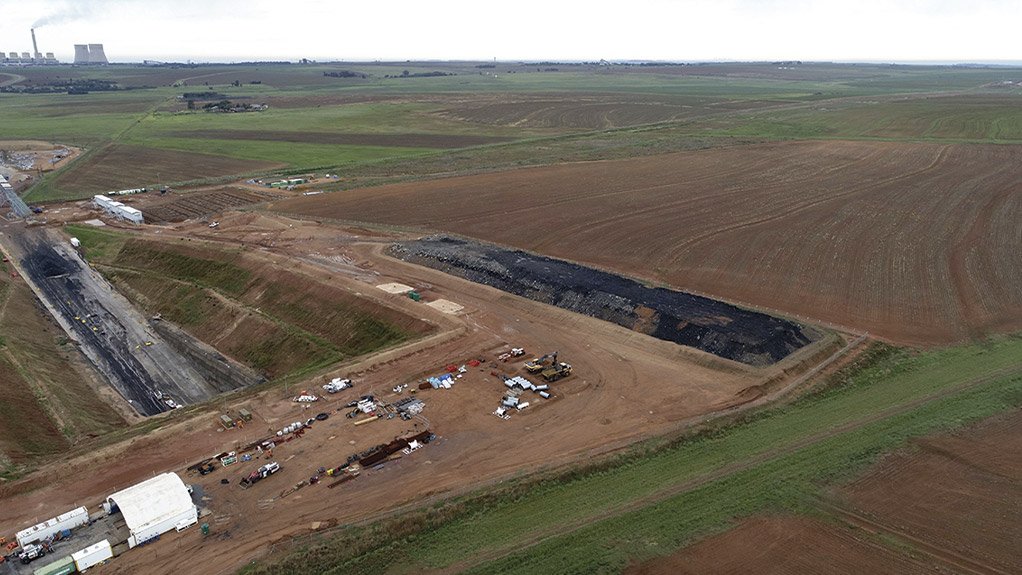
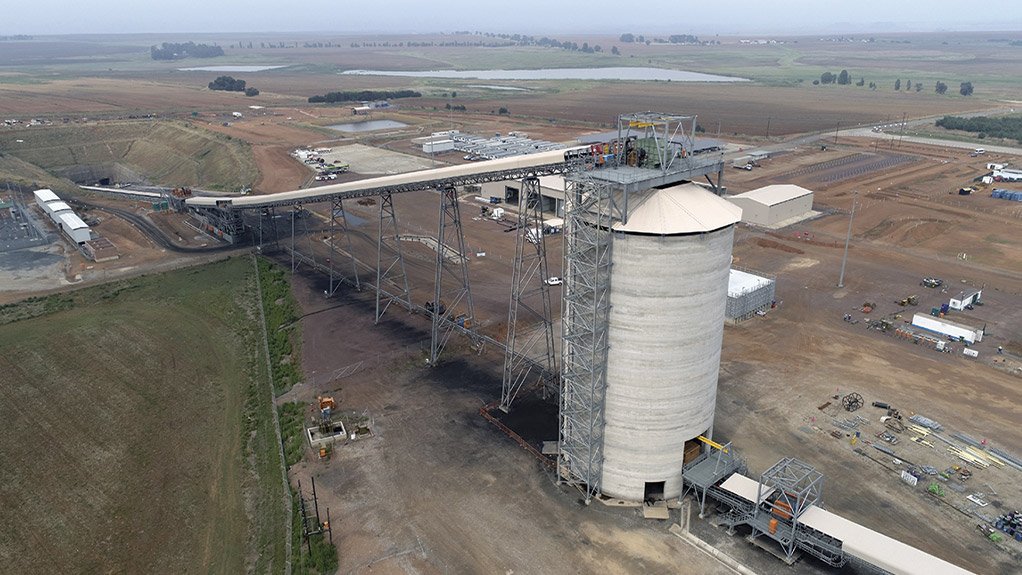
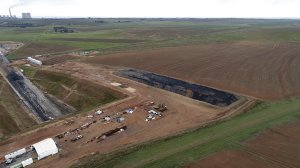
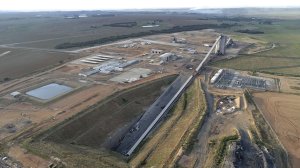
Aerial view of the Zibulo box cut, showing the portal entrances that provide access to the underground mining operation
Cementation Africa's site offices overlook the Zibulo boxcut, providing a strategic operational base in close proximity to this critical mine access development
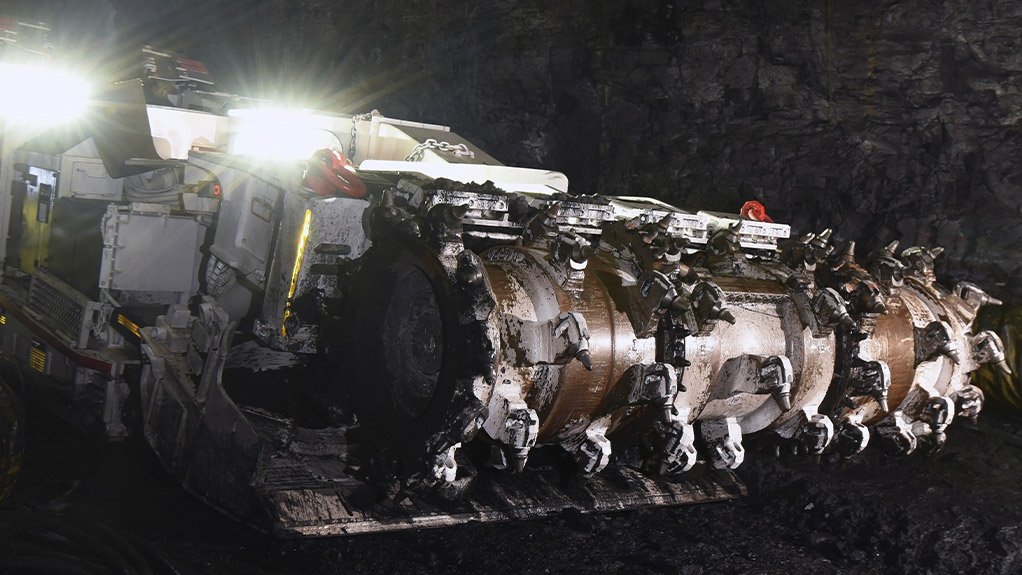
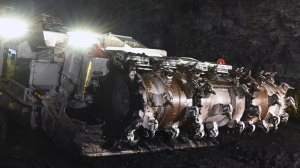
A continuous miner was used during the overrun section at Zibulo to establish the coal front, enabling safe and efficient access for subsequent underground development
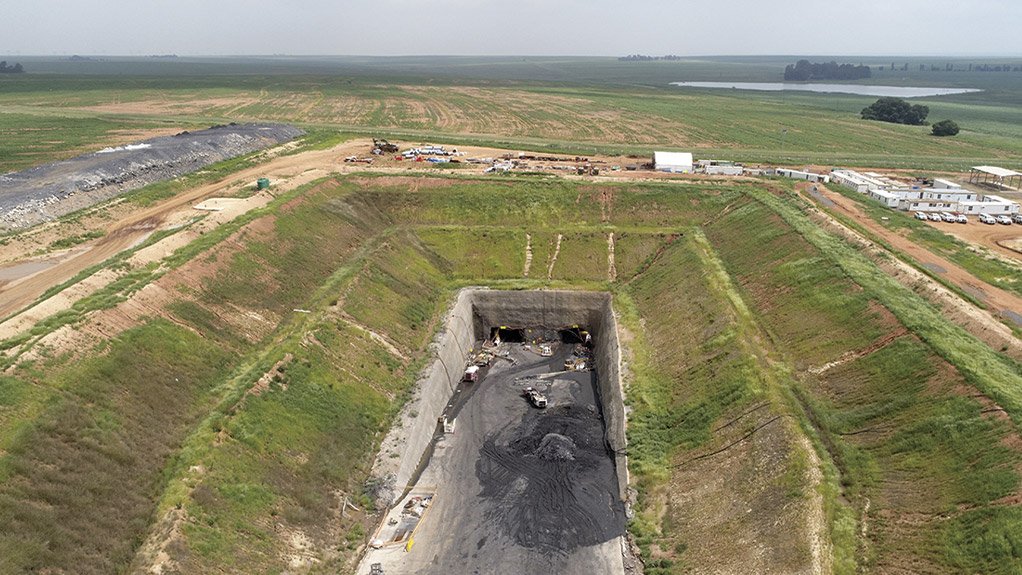
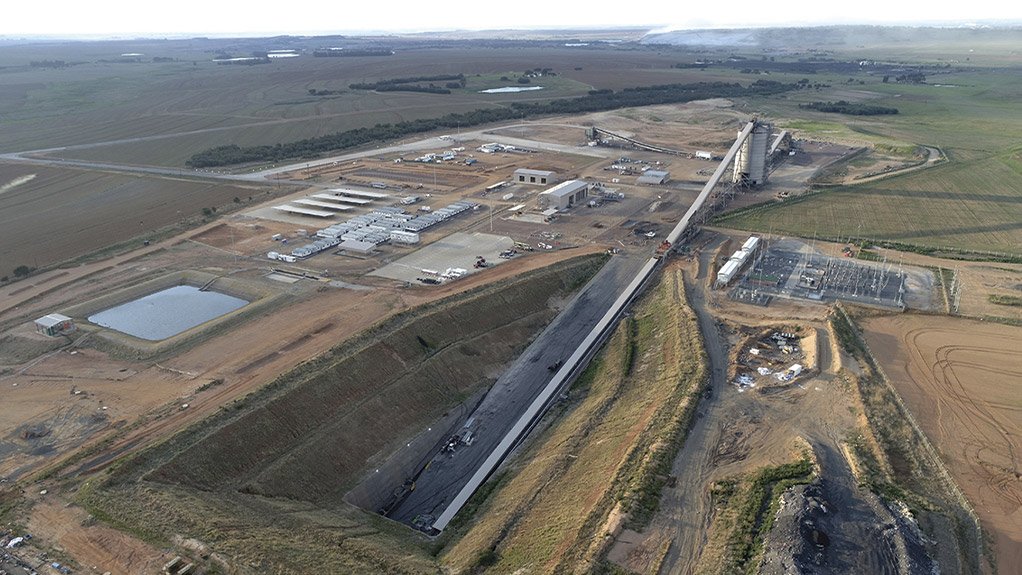
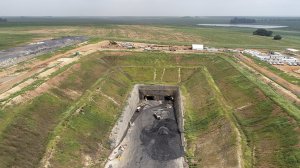
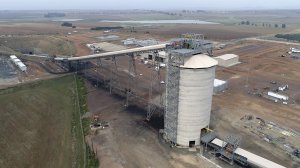
Aerial view of the completed decline at Zibulo, providing critical underground access and supporting safe, efficient movement into the mine’s developing workings
Looking towards the newly completed decline at Zibulo, marking a significant milestone in the development of the underground mining infrastructure
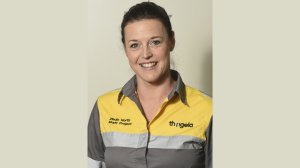
Melissa Hallquist-Waites, Capital Project Manager at Thungela



This article has been supplied.
Cementation Africa’s recent completion of Thungela Resources’ Zibulo North Shaft decline project has demonstrated the value of experience, collaboration and innovation - despite demanding underground conditions.
According to Peter Mazibuko, Project Manager at Cementation Africa, the team was even able to deploy a continuous miner at a key stage of advancement to streamline activities and improve the rate of development.
“In all aspects of the project, from dealing with poor ground conditions and considerable water ingress to harnessing innovative methodologies, the relationship with the client was critical,” Mazibuko says. “We were working towards a common goal: to access the coal seam safely, efficiently and as quickly as possible.”
Located near Emalahleni in South Africa’s Mpumalanga province, the Zibulo colliery is Thungela’s highest producing operation. The Zibulo North Shaft project was designed to unlock further reserves by reducing underground travel times and enabling more efficient production access. Cementation Africa’s role centred on developing a double-barrel decline shaft system extending from a boxcut on surface to the S2 coal seam - a technically demanding undertaking executed under variable and often adverse conditions.
Decline development
At its core, the project required the development of two parallel declines, each extending roughly 367 m from the brow to the production panels, with a gradient of 8° flattening to 2° toward the seam. Decline A, at 8 m wide, accommodates both a conveyor and trackless mobile machinery while Decline B, at 5.5 m wide, serves as a travel roadway.
Cross-cuts at regular intervals link the two declines, creating a functional and ventilated system capable of supporting long-term production. The shaft sinking design also incorporated substantial concrete works including reinforced 250 mm footwalls and shotcrete application at the brow alongside bulk material handling infrastructure.
“Initially, we conducted the development using conventional drill-and-blast methodology in which we have extensive experience,” Mazibuko explains. “From the outset, however, we knew the geology would dictate how we progressed.”
Challenging ground conditions
The ground conditions encountered along the decline alignment were highly variable, comprising interbedded siltstone, sandstone, shale and coal with much of it weathered and structurally weak. These conditions resulted in scaling, delamination and instability, particularly in the hanging wall and ribs.
“Some areas were extremely blocky, making it difficult to achieve a clean profile,” he says. “Blasting conditions would often lead to overbreak or loose material that needed immediate attention.”
To maintain stability, Cementation Africa implemented an intensive support regime that included full-column resin bolts, cable anchors, welded mesh and shotcrete.
“The brow was a particularly sensitive transition zone, so support density was significantly increased,” he explains. “We applied layered reinforcement and 100 mm of shotcrete to stabilise the opening.”
The variability of the rock mass required constant adaptation with blast designs being repeatedly modified. This included the introduction of additional holes and kneeholes to control footwall levels and minimise overbreak.
“The blast design could not be static,” Mazibuko explains. “It was necessary to continuously adjust these designs to match what we encountered underground.”
These conditions had a measurable impact on productivity with face cycle times being extended to allow for scaling and the installation of additional support.
Managing water
Water ingress emerged as another major operational hurdle particularly during the rainy season. Seepage from the rock mass, combined with surface runoff entering the boxcut, created sustained inflows that affected productivity.
“The high levels of ingress required additional systems to be engineered as part of our integrated water management strategy,” he says. “This included a dedicated sump at the first split of the decline which was created by blasting the floor to a depth of about 1.5 m across the full footprint of the excavation.”
The sump served as the primary collection point for water flowing from the face, roof seepage and surface ingress via the boxcut. It was equipped with a 37 kW submersible pump to enable efficient dewatering and integration into a staged pumping system. Berms along the decline directed water toward the sump, improving control and reducing flooding risk to stabilise working conditions.
The staged pumping system comprised multiple pumps of varying capacities to transfer large volumes of water, approaching 1,000 m³ a month, to surface pollution control dams. Steel dams were introduced as both storage points and silt traps, improving system reliability and reducing pipe blockages.
“Water management became a full-time operation - as critical as the mining itself,” Mazibuko notes. “We had dedicated teams maintaining pumps, clearing silt and extending columns and our ability to respond dynamically proved essential in maintaining the project’s momentum.”
Materials handling efficiency
As development progressed deeper underground, increasing tramming distances had a direct impact on load-haul-dump (LHD) productivity, extending cycle times and reducing overall efficiency. To overcome this constraint and maintain haulage efficiency, Cementation Africa installed a temporary conveyor system as a practical and highly effective solution.
The 900 mm wide conveyor - extended to more than 250 m - allowed blasted material to be transported directly from underground to surface stockpiles, significantly reducing reliance on truck haulage and shortening cycle times. The system was later integrated into the broader materials handling strategy as the project evolved, setting the stage for a more fundamental shift in development methodology.
Continuous miner
Perhaps the most significant innovation on the project was the mid-stream introduction of a continuous miner to accelerate development towards the coal seam. The transition from drill-and-blast to mechanical excavation was made 220 m into the decline.
“This introduced a new way of working, so there was a learning curve which we managed carefully with additional training and redeployments,” Mazibuko says. “Putting the continuous miner to work meant a comprehensive reconfiguration of the operation including new personnel, equipment and workflows.”
Shuttle cars, feeder breakers and specialised operators were brought in with the continuous miner initially working in tandem with LHDs and the temporary conveyor system. Once the permanent conveyor was commissioned the process became significantly more streamlined, with direct loading from the continuous miner to the conveyor via a feeder breaker.
“The impact on productivity was immediate and substantial,” he explains. “Where we were advancing around 2.6 m a day, we accelerated up to 6 m and, in some cases, up to 12 m.”
In addition to increased advance rates, the continuous miner reduced disturbance to the rock mass resulting in improved ground stability and a reduction in secondary support requirements. Among the changes made to accommodate the continuous miner was improved ventilation including the installation of high-capacity fans to increase air velocity.
Flexible approach
Mazibuko concludes that a flexible and adaptive approach, in close and supportive collaboration with Thungela’s team at Zibulo, was key to success in this complex environment.
“It was important to manage the difficult ground conditions and persistent water ingress while still seeking opportunities for innovative solutions which we needed to support our advance rate and meet project timelines,” he says. “We are proud to have achieved this with our customary commitment to Zero Harm, achieving 281 Lost Time Injury Free days and maintaining strong alignment with client objectives.”
Article Enquiry
Email Article
Save Article
Feedback
To advertise email advertising@creamermedia.co.za or click here
Projects
Latest Multimedia

Latest News
Showroom

TEBA is a trusted workforce solutions partner to the mining and industrial sectors, providing end-to-end SLP compliant recruitment, candidate...
VISIT SHOWROOM
Occupational health services, mobile clinics, wellness campaigns, aviation.
VISIT SHOWROOM

Announcements
What's On
Subscribe to improve your user experience...
Option 1 (equivalent of R125 a month):
Receive a weekly copy of Creamer Media's Engineering News & Mining Weekly magazine
(print copy for those in South Africa and e-magazine for those outside of South Africa)
Receive daily email newsletters
Access to full search results
Access archive of magazine back copies
Access to Projects in Progress
Access to ONE Research Report of your choice in PDF format
Option 2 (equivalent of R375 a month):
All benefits from Option 1
PLUS
Access to Creamer Media's Research Channel Africa for ALL Research Reports, in PDF format, on various industrial and mining sectors
including Electricity; Water; Energy Transition; Hydrogen; Roads, Rail and Ports; Coal; Gold; Platinum; Battery Metals; etc.
Already a subscriber?
Forgotten your password?
Receive weekly copy of Creamer Media's Engineering News & Mining Weekly magazine (print copy for those in South Africa and e-magazine for those outside of South Africa)
➕
Recieve daily email newsletters
➕
Access to full search results
➕
Access archive of magazine back copies
➕
Access to Projects in Progress
➕
Access to ONE Research Report of your choice in PDF format
RESEARCH CHANNEL AFRICA
R4500 (equivalent of R375 a month)
SUBSCRIBEAll benefits from Option 1
➕
Access to Creamer Media's Research Channel Africa for ALL Research Reports on various industrial and mining sectors, in PDF format, including on:
Electricity
➕
Water
➕
Energy Transition
➕
Hydrogen
➕
Roads, Rail and Ports
➕
Coal
➕
Gold
➕
Platinum
➕
Battery Metals
➕
etc.
Receive all benefits from Option 1 or Option 2 delivered to numerous people at your company
➕
Multiple User names and Passwords for simultaneous log-ins
➕
Intranet integration access to all in your organisation