Blackouts hit Indian factories as coal crunch feeds into economy

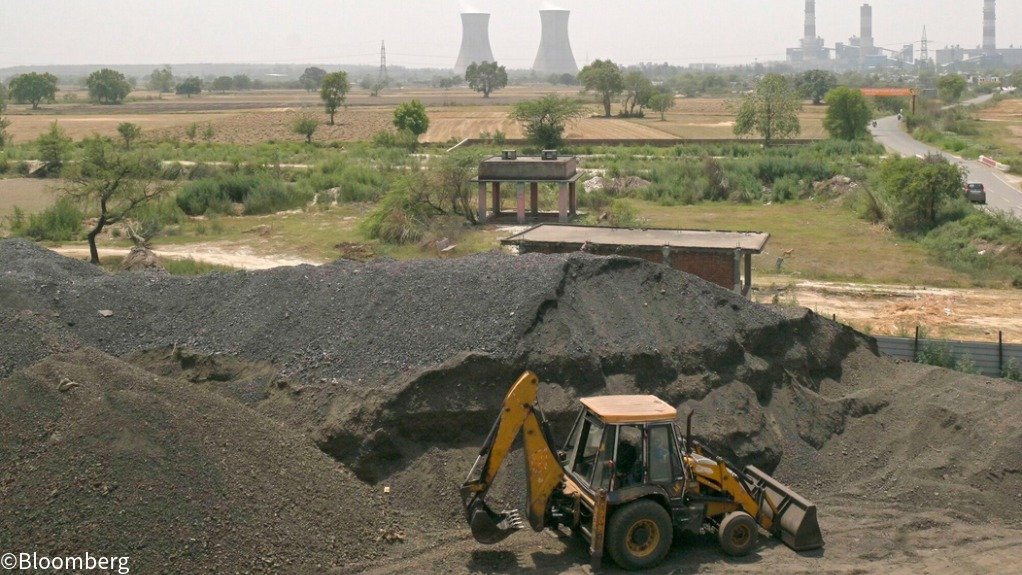


Indian factories, smelters and households are being hit by blackouts and rising energy costs as the impact of plunging coal stockpiles at the country’s power stations ripples through the economy.
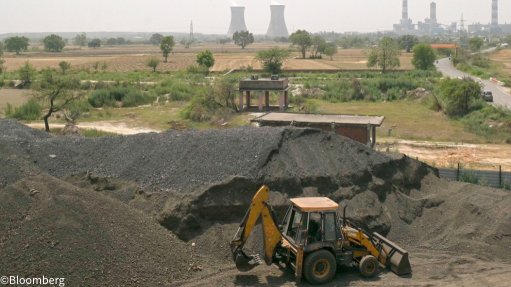
The weakest monsoon since 2015 has curbed hydropower output, while hotter-than-normal weather has buoyed demand for air conditioning and farm irrigation. That’s seen coal-fired power stations, which supply about two-thirds of India’s electricity, rapidly burn through their inventories.
Smaller factories, farmers and households are facing power cuts as demand outweighs supply on the grid. Meanwhile, large industrial customers - in metals smelting, chemicals and paper — can’t get enough fuel to produce electricity themselves due to State-owned miner Coal India prioritizing deliveries to grid-connected generators.
Small steel mills in the central state of Chhattisgarh are facing outages of 10 to 12 hours a day, forcing plants to reduce output, said Manish Dhuppad, general secretary at the Chhattisgarh Mini Steel Plant Association.
Mills require an “uninterrupted supply of power,” he said. “Say we have hot metal inside the furnace and just before we are able to take it out, the power supply goes. By the time it comes back, the material has solidified and we need to melt it again.”
The power shortage highlights the increasing role that extreme weather is having on India’s economy, with the weak monsoon driven by a record El Niño. It also shows how the country’s continued reliance on fossil fuels is limiting its ability to respond to a changing climate.
Feedstock supplies at almost half of India’s coal-fired plants had fallen to less than a quarter of required levels as of Oct. 10, according to the power ministry. A late burst of monsoon rainfall last month in coal-mining regions in the east of the country exacerbated the shortages, crimping production and also hampering rail transport of the fuel.
In the northern state of Punjab, homes and industries are enduring lengthy blackouts.
Badish Jindal, who runs a steel wire plant in Ludhiana, an industrial city in the state, said frequent power cuts of three to four hours had resulted in higher energy costs, as his factory needed to shift to expensive back-up generators.
“The power cuts are unscheduled,” he said. “That makes it difficult to plan our operations and deliveries and affects product quality. The sudden stoppage and restart of machines as the power supply goes and comes back also raises the risks of accidents.”
The country’s electricity grid has faced an average shortfall of nearly 4 GW a day in the first 10 days of October, data from Grid Controller of India show. That’s enough to power about two-million rural Indian households, according to Bloomberg calculations.
The policy to favor grid-connected power stations has left companies that generate their own coal-fired electricity at a major disadvantage, said Rajiv Agarwal, secretary general of the Indian Captive Power Producers Association, which represents the big industrial users.
They are having to pay high prices at Coal India auctions, and buy expensive power from the grid, he said. The firms are also having to wait months for rail transport, so those with limited operating capital are being forced to cut output, he said.
Average premiums at Coal India spot sales in September jumped to 94% over the base price, compared with a 59% difference in August. Two of the company’s subsidiaries — Northern Coalfields and South Eastern Coalfields — charged more than a 200% premium at auctions last month, data from the miner show.
Coal India didn’t immediately reply to a request for comment.
For those getting their power from the grid, bills have gone up in most Indian states over the past few years. That’s been driven by a range of factors including rising coal prices and the cost of upgrades to the national electricity network.
In Uttar Pradesh, India’s most populous province, some villages in Shamli district are facing as much as seven hours a day of blackouts, prompting many residents to buy back-up systems that can run lights and fans, according to Devinder Singh, a local grain and sugarcane farmer.
A rapid buildout of solar in the country over the last few years means there’s enough power for him to irrigate his fields during the day, although problems occur after sunset, he said.
“We somehow adjust,” Singh said. “My bigger concern is the rising cost of electricity.”
Article Enquiry
Email Article
Save Article
Feedback
To advertise email advertising@creamermedia.co.za or click here


Latest Multimedia

Latest News
Showroom

ECG provides specialised electrical engineering services to the Mining, Utilities, Materials Handling and Industrial industries, with extensive and...
VISIT SHOWROOM
SABAT Batteries is a renowned brand in the battery industry, manufacturing a wide range of batteries at its state-of-the-art production facility in...
VISIT SHOWROOM


Press Office
Announcements
What's On
Subscribe to improve your user experience...
Option 1 (equivalent of R125 a month):
Receive a weekly copy of Creamer Media's Engineering News & Mining Weekly magazine
(print copy for those in South Africa and e-magazine for those outside of South Africa)
Receive daily email newsletters
Access to full search results
Access archive of magazine back copies
Access to Projects in Progress
Access to ONE Research Report of your choice in PDF format
Option 2 (equivalent of R375 a month):
All benefits from Option 1
PLUS
Access to Creamer Media's Research Channel Africa for ALL Research Reports, in PDF format, on various industrial and mining sectors
including Electricity; Water; Energy Transition; Hydrogen; Roads, Rail and Ports; Coal; Gold; Platinum; Battery Metals; etc.
Already a subscriber?
Forgotten your password?
Receive weekly copy of Creamer Media's Engineering News & Mining Weekly magazine (print copy for those in South Africa and e-magazine for those outside of South Africa)
➕
Recieve daily email newsletters
➕
Access to full search results
➕
Access archive of magazine back copies
➕
Access to Projects in Progress
➕
Access to ONE Research Report of your choice in PDF format
RESEARCH CHANNEL AFRICA
R4500 (equivalent of R375 a month)
SUBSCRIBEAll benefits from Option 1
➕
Access to Creamer Media's Research Channel Africa for ALL Research Reports on various industrial and mining sectors, in PDF format, including on:
Electricity
➕
Water
➕
Energy Transition
➕
Hydrogen
➕
Roads, Rail and Ports
➕
Coal
➕
Gold
➕
Platinum
➕
Battery Metals
➕
etc.
Receive all benefits from Option 1 or Option 2 delivered to numerous people at your company
➕
Multiple User names and Passwords for simultaneous log-ins
➕
Intranet integration access to all in your organisation