Audit transfer points before expanding plants, advises Weba




This article has been supplied.
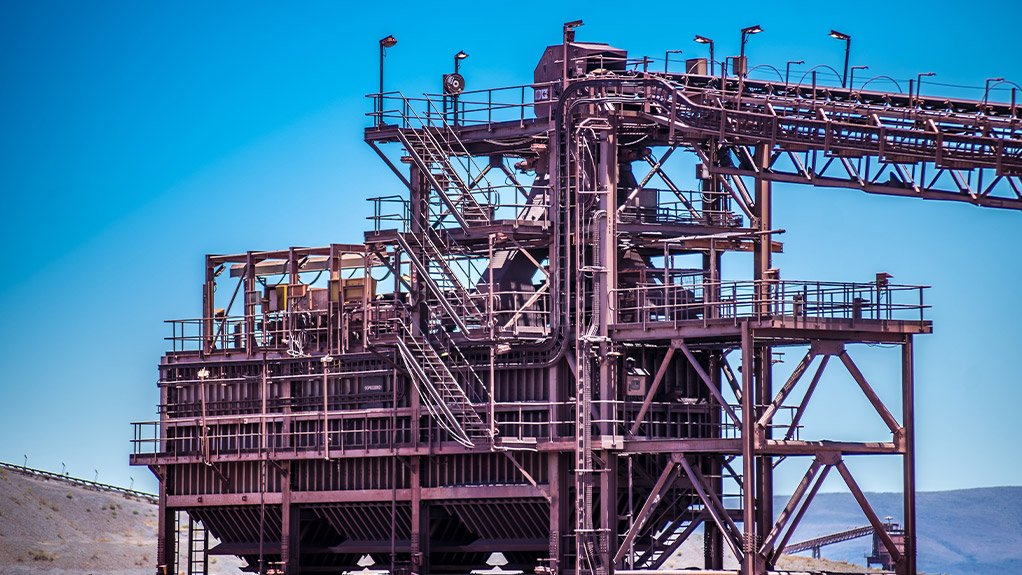
Before investing in larger equipment to increase plant throughput, Weba Chute Systems recommends that mines first evaluate whether inefficient transfer points are preventing existing assets from delivering their full performance.
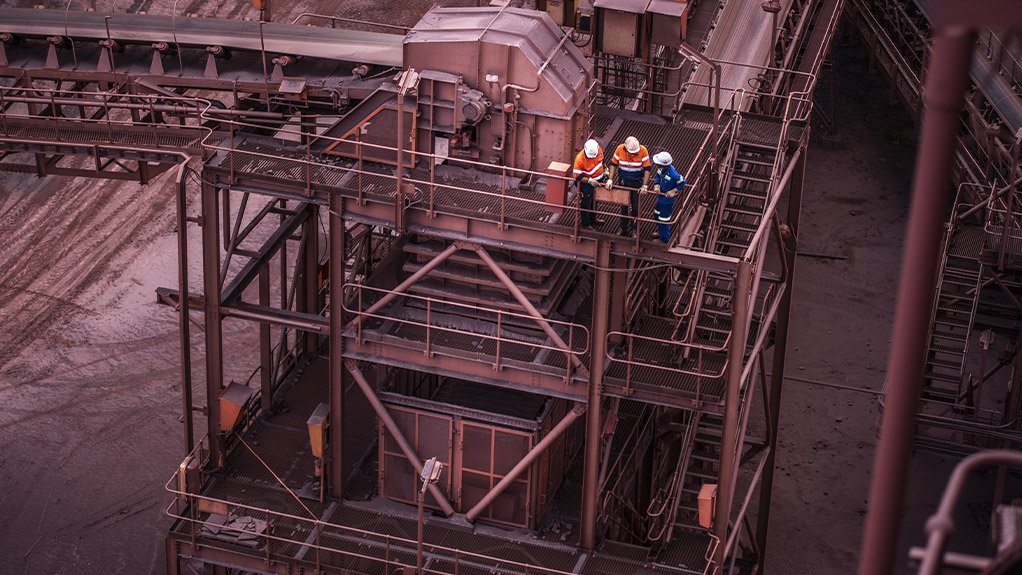
Mark Baller, Managing Director of Weba Chute Systems, explains that many operations have untapped production potential that can be unlocked by addressing one of the most overlooked components in the processing circuit: the material transfer point.
“Plant managers understandably focus on the more capital intensive equipment, but we often find that the real bottleneck is how material is transferred between crushers, screens and conveyors,” Baller says. “Optimising those transfer points can often deliver significant production improvements before expanding the plant.”
This philosophy has become more relevant as mining operations pursue higher throughputs and improved operating efficiencies. While transfer chutes represent relatively modest investments in a mineral processing plant, he explains, they influence almost every downstream process.
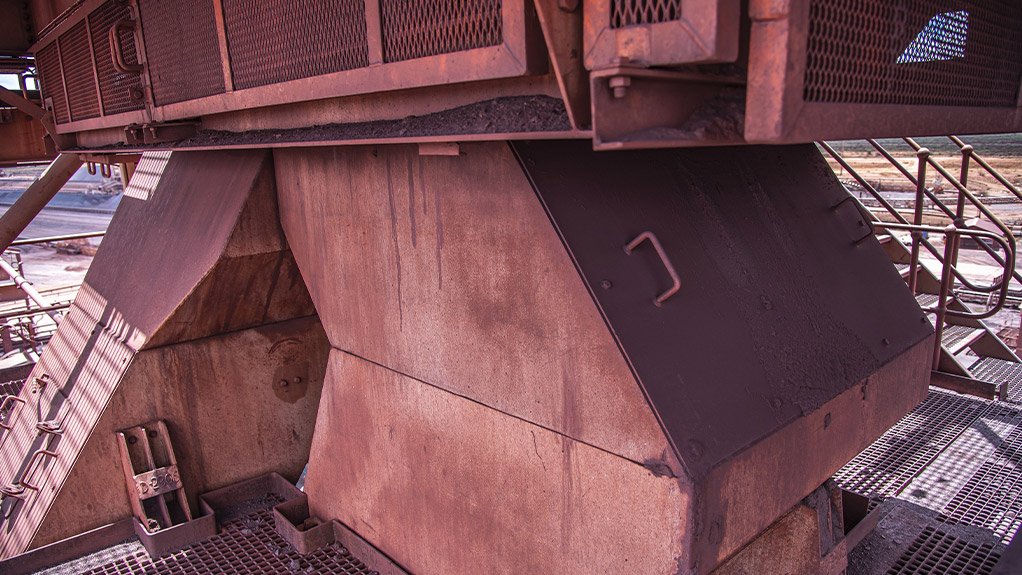
“Poorly controlled material flow can result in uneven screen loading, accelerated liner wear, excessive impact on receiving equipment, belt mistracking, spillage, dust generation and recurring blockages,” he says. “These issues increase maintenance costs but more importantly prevent costly process equipment from operating at its intended capacity.”
Baller highlights that today’s transfer points operate under more demanding conditions than ever. Higher conveyor speeds, increased belt widths, larger production volumes and increasingly variable ore characteristics have fundamentally changed the engineering requirements for effective material handling.
“Even just ten years ago, most conversations were about stopping blockages and limiting wear,” he says. “Today, mines want verifiable improvements in availability, energy use, dust emissions and safety; at the same time, chutes must handle faster belts, larger ore volumes and more variable moisture content.”
This puts transfer points at the centre of productivity and sustainability, he points out. Operators often underestimate the consequences of simply increasing equipment capacity without considering how material enters the next stage of the process.
“A larger crusher cannot compensate for poorly controlled feed distribution,” he explains, “Similarly, installing faster conveyors may actually worsen spillage and belt wear if transfer trajectories are not engineered correctly.”
Achieving these improvements may require modified chute geometry or heavier wear liners, Dewald Tintinger, Technical Manager at Weba Chute Systems says, but effective optimisation really begins with understanding how the material itself behaves.
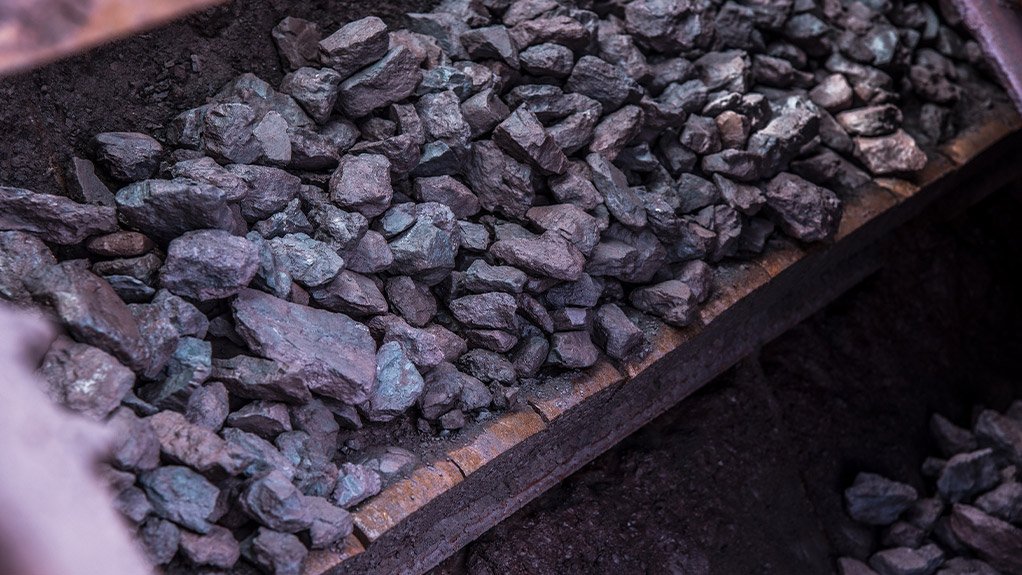
“The success of a custom engineered transfer chute starts with understanding the movement of a specific material at the transfer point,” Tintinger explains. “The designs for handling sticky manganese ore, cohesive clay or abrasive run-of-mine ore is likely to be different, so a one-size-fits-all rule cannot be applied.”
In its design process, Weba Chute Systems analyses the flow characteristics of representative material samples under varying moisture contents, pressures and flow angles. These results are then combined with decades of practical field experience accumulated from more than 5,000 chute installations worldwide. While discrete element modelling (DEM) has become an increasingly valuable visualisation tool, he emphasises that simulation alone cannot replace sound engineering judgement.
“DEM is valuable for validating and illustrating material behaviour,” he says. “However, understanding how materials behave over extended operating periods – and how factors such as moisture, fines generation and changing operating conditions influence flow – still rely on engineering experience and proven design methodology.”
This systems-based approach distinguishes transfer point optimisation from isolated equipment upgrades. Rather than treating a chute as a standalone component, Weba Chute Systems evaluates the interaction between conveyors, crushers, screens, feeders and mills to ensure stable material flow throughout the processing circuit.
“Each chute interacts with the process upstream and downstream,” says Baller. “Our objective is to help stabilise the entire system so that every piece of equipment operates within its design parameters.”
This holistic approach is also changing how mines evaluate capital investment decisions, he notes. Looking beyond equipment purchase costs, operators are placing greater emphasis on total cost of ownership, alongside availability, maintenance requirements, energy efficiency and long-term operational reliability.
Article Enquiry
Email Article
Save Article
Feedback
To advertise email advertising@creamermedia.co.za or click here


Projects
Latest Multimedia
Latest News
Showroom

The SAIMM started as a learned society in 1894 after the invention of the cyanide process that saved the South African gold mining industry of the...
VISIT SHOWROOM
Design, Construction and Maintenance of Site Erected, Welded Bulk Storage Tanks for the Petrochemical, LNG, Ammonia and Sustainable fuel Sectors.
VISIT SHOWROOM



Press Office
Announcements
What's On
Subscribe to improve your user experience...
Option 1 (equivalent of R125 a month):
Receive a weekly copy of Creamer Media's Engineering News & Mining Weekly magazine
(print copy for those in South Africa and e-magazine for those outside of South Africa)
Receive daily email newsletters
Access to full search results
Access archive of magazine back copies
Access to Projects in Progress
Access to ONE Research Report of your choice in PDF format
Option 2 (equivalent of R375 a month):
All benefits from Option 1
PLUS
Access to Creamer Media's Research Channel Africa for ALL Research Reports, in PDF format, on various industrial and mining sectors
including Electricity; Water; Energy Transition; Hydrogen; Roads, Rail and Ports; Coal; Gold; Platinum; Battery Metals; etc.
Already a subscriber?
Forgotten your password?
Receive weekly copy of Creamer Media's Engineering News & Mining Weekly magazine (print copy for those in South Africa and e-magazine for those outside of South Africa)
➕
Recieve daily email newsletters
➕
Access to full search results
➕
Access archive of magazine back copies
➕
Access to Projects in Progress
➕
Access to ONE Research Report of your choice in PDF format
RESEARCH CHANNEL AFRICA
R4500 (equivalent of R375 a month)
SUBSCRIBEAll benefits from Option 1
➕
Access to Creamer Media's Research Channel Africa for ALL Research Reports on various industrial and mining sectors, in PDF format, including on:
Electricity
➕
Water
➕
Energy Transition
➕
Hydrogen
➕
Roads, Rail and Ports
➕
Coal
➕
Gold
➕
Platinum
➕
Battery Metals
➕
etc.
Receive all benefits from Option 1 or Option 2 delivered to numerous people at your company
➕
Multiple User names and Passwords for simultaneous log-ins
➕
Intranet integration access to all in your organisation