Africa's Waste Crisis Is A Logistics Crisis



This article has been supplied.
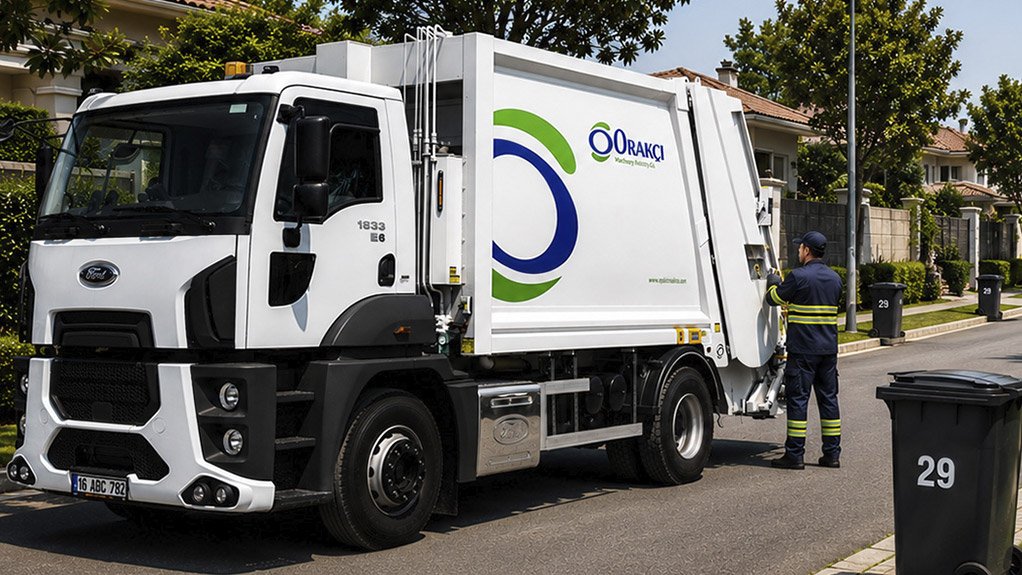
While most African waste stories focus on recycling or landfills, the hidden bottleneck on the continent is transport inefficiency. This means even the best recycling programme will fail if the waste never leaves the neighbourhood.
Sonia Pretorius, National Sales Manager for 600SA, a division of CFAO Equipment says inefficient collection networks and ageing infrastructure undermine waste management efforts.
"Recycling cannot succeed if the collection and transport system fails. If waste cannot be moved efficiently from households to facilities, even the best recycling plant becomes ineffective," she says.
Overcoming fuel and infrastructure challenges
Municipal fleets face rising diesel costs, overloaded vehicles and long trips to landfill sites. According to Pretorius, maximising load consolidation through efficient refuse compactors reduces the number of trips required, lowering fuel consumption and vehicle wear.
"In stop-start operations, fuel per hour is often a more important measure than fuel per kilometre," she explains. "Faster compaction and offloading cycles reduce engine running time and fuel use."
Road conditions also affect fleet performance. Deep potholes and poor road surfaces can cause suspension damage, rim failures and costly downtime. Pretorius says robust, lightweight compactors are designed to withstand these conditions, reducing maintenance requirements and improving reliability.
Measurement promotes effective waste management
Modern waste collection is no longer just about having reliable vehicles. The greatest efficiencies are achieved when robust refuse compactors are combined with intelligent technology that provides operators, fleet managers and municipalities with real-time information to make better decisions. After all, is something cannot be measured, it cannot be adequately managed.
Pretorius says refuse compactors can be integrated with advanced technologies such as onboard weighing systems to facilitate real-time payload monitoring. “In addition, Radio Frequency Identification (RFI) readers allow the truck to automatically record exactly which bins have been emptied, at what time and in which location, creating a smarter and more accountable waste collection operation.
“This transforms waste collection from a reactive and exhausting manual process to a precise, high-tech logistics operation,” she adds.
Reliability matters in waste logistics
The success of a waste collection system depends not only on fleet size but also on fleet reliability. Vehicle breakdowns, maintenance delays and unplanned downtime can quickly disrupt collection schedules, particularly in municipalities already operating with limited resources.
Pretorius says waste collection vehicles operate in demanding environments, often carrying heavy loads over long distances and navigating poor road conditions. “As a result, durability and ease of maintenance should be key considerations when selecting equipment.
“Many municipalities focus on the upfront purchase price, but the long-term cost of ownership is often a more important measure. Frequent breakdowns, excessive maintenance requirements and poor load consolidation can significantly increase operating costs and reduce collection efficiency,” she explains.
Equipment that can withstand challenging operating conditions while maximising payload capacity helps reduce the number of trips required, lowering fuel consumption and vehicle wear. Improved reliability also means fleets spend more time collecting waste and less time out of service.
“In the long term, effective waste management depends on solutions that deliver consistent performance, minimise downtime and support efficient transport operations. These factors play a critical role in addressing the logistics challenges facing many municipalities,” she adds.
The right training
While robust equipment supported by intelligent technology is paramount, Pretorius says continuous operator training is a critical link that transforms a machine
into a lasting sustainable solution.
“Even a slight improvement in how an operator cycles the packer blade can lead to significant fuel savings over a year, directly addressing the transport inefficiency that plagues many municipal fleets.”
She adds that overloaded trucks can present a major challenge, leading to mechanical failure and increased wear on aging logistics infrastructure. “Operators must be trained to recognise the limits of their equipment and use load consolidation techniques effectively without exceeding safety margins.”
By training employees to use smart systems such as self-weighing technology correctly, municipalities can better protect their investment, ensuring the trucks can handle the long travel distances to landfill sites without breaking down.
Regular safety refreshers ensure that as technology evolves, the workforce's skills remain sharp. This level of support allows for the redesigning of waste transport networks into models that are not only economically viable but also safe for the people operating them.
Taking the strain out of lifting
Every day, refuse operators face the physical challenge of lifting and emptying
hundreds of bins. Repetitive strain, fatigue and the risk of injury are all part of the job.
“That is why we equip our refuse compactors with Mechlift bin lifters. By mechanically lifting and emptying bins quickly and efficiently, operators are spared the constant physical strain of manual handling. The result is less fatigue, improved safety and faster collection routes,” notes Pretorius.
Many African urban environments generate bulky waste that doesn't fit into standard bins. While bin lifters handle standard domestic or commercial waste containers, the top winch is the "heavy hitter" for larger challenges.
Without a winch, collectors are often forced to manually handle awkward items into the compactor, a primary driver of workforce exhaustion. A good winch allows the operator to safely pull in and lift larger bulk containers or heavy, loose items without direct manual contact.
Collaboration and data driven planning is key
Pretorius notes that there are significant opportunities for Africa’s municipalities and private-sector companies to collaborate in assessing specific areas and identifying underlying challenges, such as transport inefficiencies and the true impact of long travel distances to landfill sites.
“By establishing where the logistics chain is breaking, whether it’s due to aging infrastructure or overloaded fleets, 600SA can help municipalities move away from guesswork and toward data driven planning.
“Not every neighbourhood has the same requirements. At 600SA, we are well positioned to play a central role in assessing the specific terrain and waste volumes to recommend the appropriate quality waste compactor truck and equipment rather than a one-size-fits-all approach,” concludes Pretorius.
Article Enquiry
Email Article
Save Article
Feedback
To advertise email advertising@creamermedia.co.za or click here


Projects

Latest Multimedia


Latest News


Showroom

Complete range of security sealing solutions including security seals bags and labels.
VISIT SHOWROOM
ZF Aftermarket is the after-sales division of the world-renowned German ZF group, a global leader in mobility technology.
VISIT SHOWROOM



Announcements
What's On
Subscribe to improve your user experience...
Option 1 (equivalent of R125 a month):
Receive a weekly copy of Creamer Media's Engineering News & Mining Weekly magazine
(print copy for those in South Africa and e-magazine for those outside of South Africa)
Receive daily email newsletters
Access to full search results
Access archive of magazine back copies
Access to Projects in Progress
Access to ONE Research Report of your choice in PDF format
Option 2 (equivalent of R375 a month):
All benefits from Option 1
PLUS
Access to Creamer Media's Research Channel Africa for ALL Research Reports, in PDF format, on various industrial and mining sectors
including Electricity; Water; Energy Transition; Hydrogen; Roads, Rail and Ports; Coal; Gold; Platinum; Battery Metals; etc.
Already a subscriber?
Forgotten your password?
Receive weekly copy of Creamer Media's Engineering News & Mining Weekly magazine (print copy for those in South Africa and e-magazine for those outside of South Africa)
➕
Recieve daily email newsletters
➕
Access to full search results
➕
Access archive of magazine back copies
➕
Access to Projects in Progress
➕
Access to ONE Research Report of your choice in PDF format
RESEARCH CHANNEL AFRICA
R4500 (equivalent of R375 a month)
SUBSCRIBEAll benefits from Option 1
➕
Access to Creamer Media's Research Channel Africa for ALL Research Reports on various industrial and mining sectors, in PDF format, including on:
Electricity
➕
Water
➕
Energy Transition
➕
Hydrogen
➕
Roads, Rail and Ports
➕
Coal
➕
Gold
➕
Platinum
➕
Battery Metals
➕
etc.
Receive all benefits from Option 1 or Option 2 delivered to numerous people at your company
➕
Multiple User names and Passwords for simultaneous log-ins
➕
Intranet integration access to all in your organisation