Why Data Is Becoming a Truck Fleet’s Most Valuable Asset





This article has been supplied.
By: Mark Gavin - Sales Director: DAF Trucks at Babcock
There is growing industry consensus that data is becoming every truck fleet’s most valuable asset, providing the insights operators need to improve efficiency, reduce costs, make smarter decisions and keep vehicles on the road.
Connectivity is the foundation of data-driven decision-making and has become a key driver behind the professionalisation and growth of modern truck fleets. In such a competitive industry, turning everyday fleet data into actionable insights can give transport operators a powerful advantage.
A professional truck fleet is one that takes a disciplined, data-driven approach to every aspect of its operation. It closely manages costs, prioritises safety, adopts proactive maintenance practices, ensures regulatory compliance and invests in skilled driver management.
Together, these elements help create a fleet that operates safely, reliably and efficiently. Increasingly, data-driven decision-making provides the foundation for managing all of these areas effectively, turning fleet data into actionable insights that support better day-to-day decisions and long-term performance.
Benefits abound
Vehicle and fleet data can also play a critical role in route optimisation. Telematics and fleet intelligence platforms such as Executrax – the in-house system supplied and integrated as standard on DAF trucks – give fleet managers greater visibility of vehicle movements and operating conditions.
This information enables planners to select more efficient routes, reduce unnecessary mileage and limit time spent in congestion. With live GPS data, dispatchers can also redirect vehicles around traffic, roadworks and adverse weather, helping keep trucks moving efficiently.
Fuel is another area where data can have a significant impact. Accounting for up to 60% of total fleet operating costs, fuel represents one of the biggest expenses for transport operators. Monitoring idling time, engine performance and driver behaviour in real time allows fleets to identify where fuel is being wasted and take corrective action.
Eco-driving technology takes this a step further by using vehicle and driver data to identify behaviours that affect fuel consumption. Excessive acceleration, high speeds and unnecessary idling can all increase fuel use, while real-time feedback helps drivers adopt more efficient driving techniques. Research suggests that eco-driving systems can reduce fuel consumption by as much as 17,5%.
The benefits are not limited to individual journeys. Consistent feedback helps drivers understand the relationship between their behaviour and fuel consumption, encouraging more efficient habits over time. For heavy-duty fleets, combining real-time data, digital insights and driver engagement can deliver lower operating costs, reduced emissions and more sustainable transport operations.
Critical drivers
While there are many benefits to connected trucks and the data they generate, I believe they ultimately come down to three key areas: safety, driver comfort and efficiency. Of these, safety is the most important.
Protecting drivers not only improves road safety, but also helps build trust between drivers and the transport businesses they work for. Today, many fleets use driver behaviour monitoring systems to understand driving patterns in real time. Rather than being viewed as tools for ‘policing’ drivers, these systems can provide valuable support. They can help drivers improve fuel consumption, monitor their performance and plan ahead for upcoming servicing requirements.
Perhaps most importantly, direct communication between the truck and the driver through the dashboard improves safety by reducing the need to use a mobile phone while driving. Providing drivers with relevant information and alerts in real time allows them to stay focused on the road while ensuring they have the information they need. The result is greater protection for both drivers and their cargo.
Connectivity can also make life behind the wheel more comfortable. Smart systems can reduce mental strain, automate routine tasks and provide drivers with greater convenience and support throughout their working day. For long-haul drivers in particular, reducing unnecessary physical and mental fatigue can have a significant impact on their wellbeing and ability to remain focused.
Ultimately, these benefits translate into greater productivity and efficiency. A comfortable, supported driver is better able to maintain concentration and consistent performance over long shifts. By reducing fatigue and helping to minimise unnecessary stops and downtime, connectivity can contribute to safer and more efficient operations.
Competitive factor
Like artificial intelligence (AI), truck connectivity is rapidly becoming part of the future of the transport industry. It is no longer simply a ‘nice-to-have’ feature; it is increasingly becoming a competitive differentiator.
Connectivity transforms heavy-duty trucks into intelligent, data-sharing assets that can help reduce operating costs, increase vehicle uptime and improve service reliability. Fleets that harness real-time data are better positioned to anticipate problems, support their drivers and optimise operations than those relying solely on manual tracking and reactive decision-making.
Article Enquiry
Email Article
Save Article
Feedback
To advertise email advertising@creamermedia.co.za or click here
Research Reports


Projects

Latest Multimedia


Latest News


Showroom

Industrial Nozzles & Systems (Pty) Ltd (Est. 2000) exclusive representative in Southern Africa for LECHLER GmbH (Est. 1879) - Europe's leading...
VISIT SHOWROOM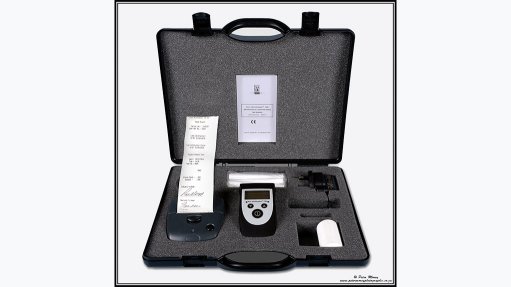
Developed to exceed the latest EN 15964 standards for police breathalysers proving that it will remain accurate and reliable for many years to come.
VISIT SHOWROOM



Announcements
What's On
Subscribe to improve your user experience...
Option 1 (equivalent of R125 a month):
Receive a weekly copy of Creamer Media's Engineering News & Mining Weekly magazine
(print copy for those in South Africa and e-magazine for those outside of South Africa)
Receive daily email newsletters
Access to full search results
Access archive of magazine back copies
Access to Projects in Progress
Access to ONE Research Report of your choice in PDF format
Option 2 (equivalent of R375 a month):
All benefits from Option 1
PLUS
Access to Creamer Media's Research Channel Africa for ALL Research Reports, in PDF format, on various industrial and mining sectors
including Electricity; Water; Energy Transition; Hydrogen; Roads, Rail and Ports; Coal; Gold; Platinum; Battery Metals; etc.
Already a subscriber?
Forgotten your password?
Receive weekly copy of Creamer Media's Engineering News & Mining Weekly magazine (print copy for those in South Africa and e-magazine for those outside of South Africa)
➕
Recieve daily email newsletters
➕
Access to full search results
➕
Access archive of magazine back copies
➕
Access to Projects in Progress
➕
Access to ONE Research Report of your choice in PDF format
RESEARCH CHANNEL AFRICA
R4500 (equivalent of R375 a month)
SUBSCRIBEAll benefits from Option 1
➕
Access to Creamer Media's Research Channel Africa for ALL Research Reports on various industrial and mining sectors, in PDF format, including on:
Electricity
➕
Water
➕
Energy Transition
➕
Hydrogen
➕
Roads, Rail and Ports
➕
Coal
➕
Gold
➕
Platinum
➕
Battery Metals
➕
etc.
Receive all benefits from Option 1 or Option 2 delivered to numerous people at your company
➕
Multiple User names and Passwords for simultaneous log-ins
➕
Intranet integration access to all in your organisation