Weba Chute Systems’ Grounded Approach To Dem In Chute Design

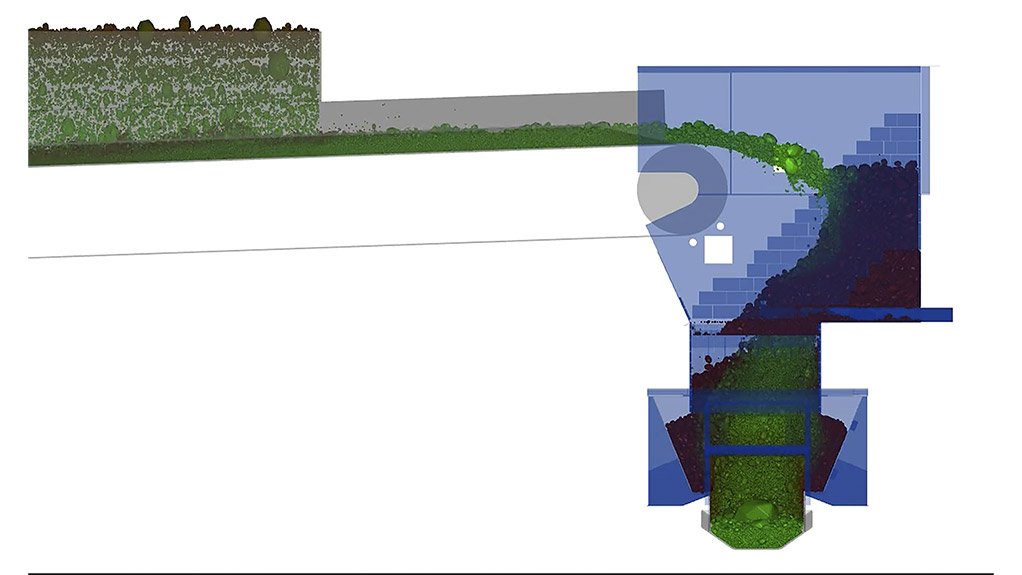
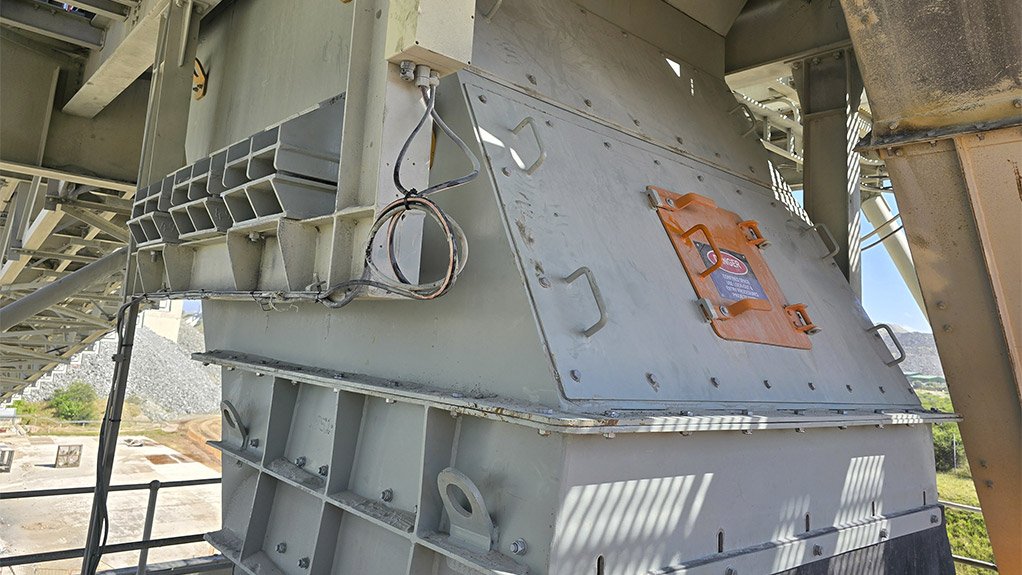
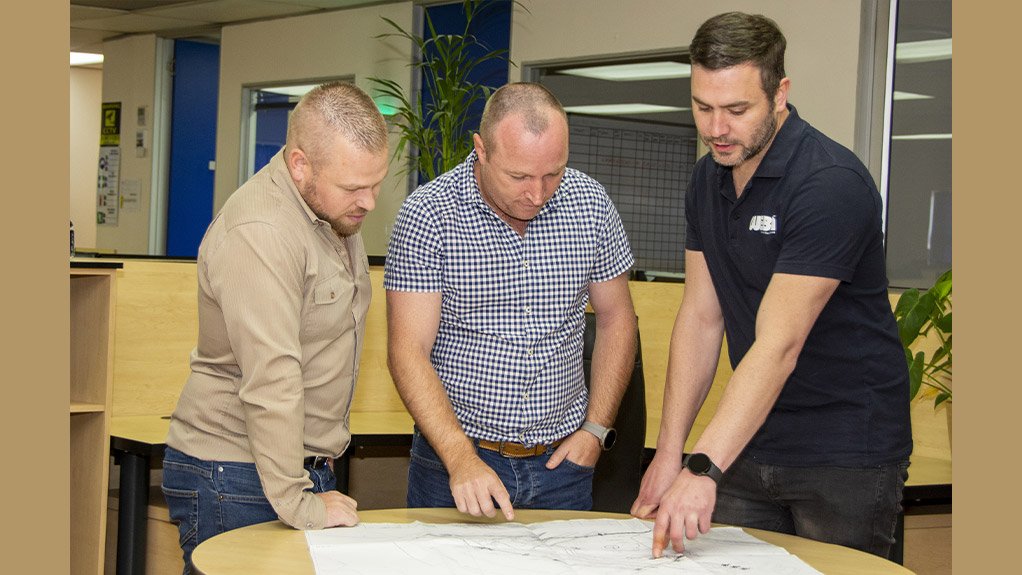
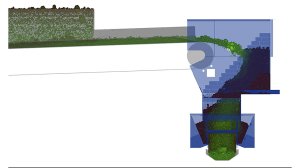
Weba Chute Systems uses Discrete Element Method (DEM) analysis to verify and refine transfer chute designs developed through engineering calculations and practical experience
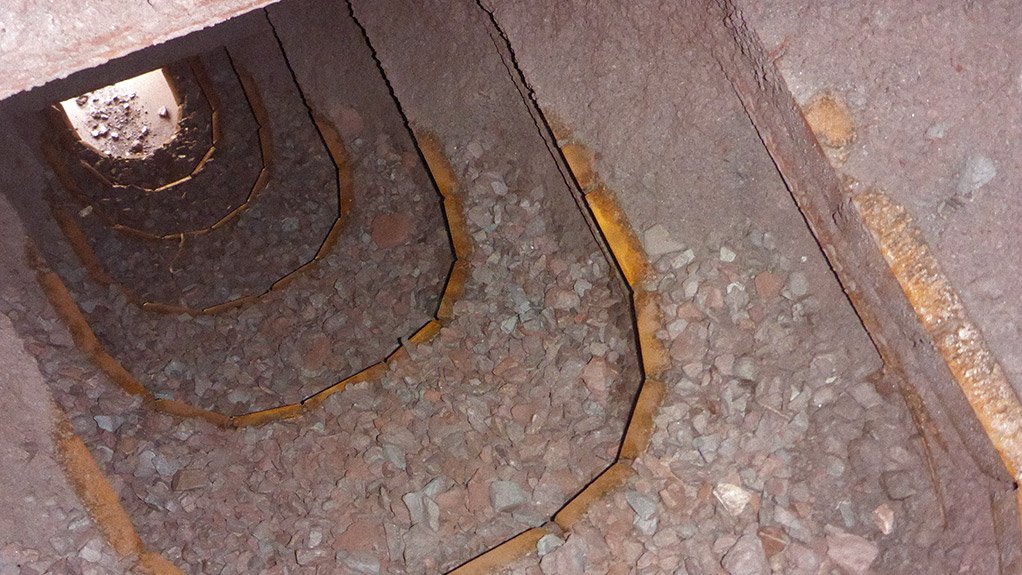
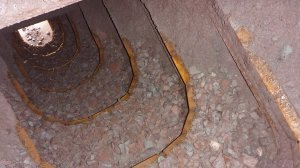
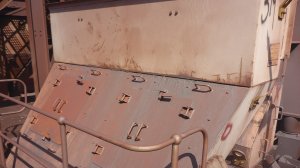
Weba Chute Systems incorporates replaceable wear lips to protect the transfer chute shell from abrasion, extending service life while simplifying maintenance
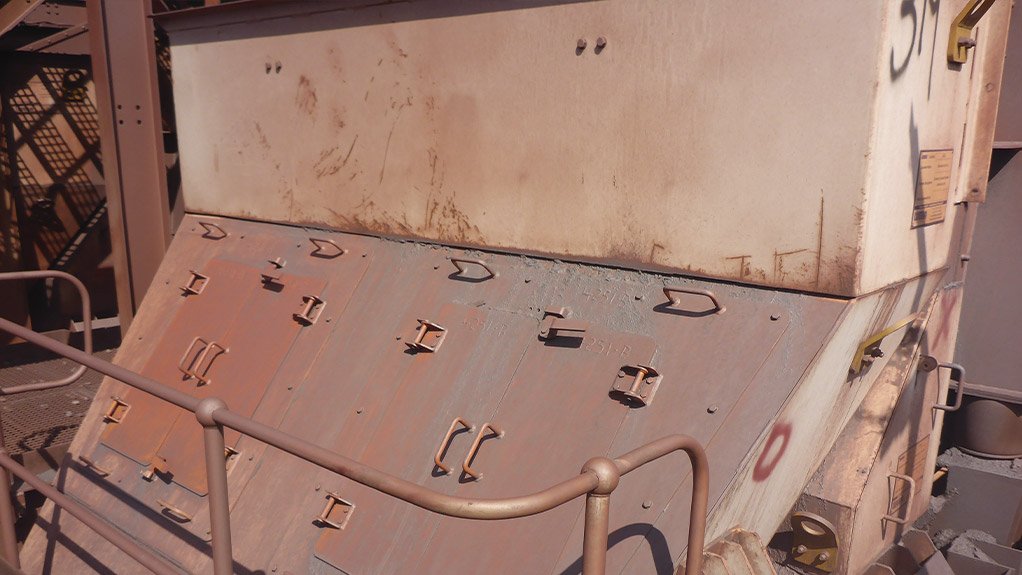
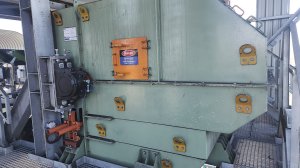
A Weba Chute Systems screen oversize transfer chute controls material flow while protecting downstream equipment from excessive wear and impact
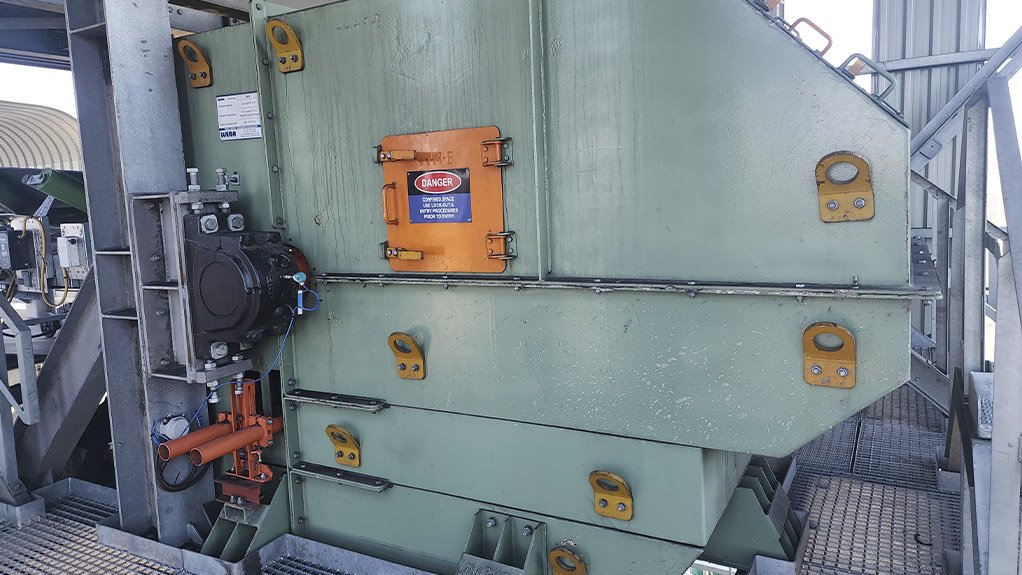
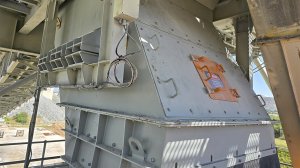
A Weba Chute Systems head chute is engineered to ensure controlled material flow, improving reliability while reducing wear and maintenance requirements
Every Weba Chute Systems transfer chute is engineered to suit the specific application before being verified using Discrete Element Method (DEM) analysis
Weba Chute Systems combines practical experience, engineering calculations and site-specific


This article has been supplied.
Across the global mining sector, Discrete Element Method (DEM) simulation has become a standard feature of transfer chute design. But according to Weba Chute Systems, the danger lies in confusing a verification tool with a complete design methodology.
“Across the industry, the use of DEM has become mainstream,” says Mark Baller, Managing Director of Weba Chute Systems. “Where we differ is in how the chute is engineered. While DEM software is often used to model material flow, it is fundamentally a simulation and verification tool rather than a design tool. DEM can validate and optimise a chute design by analysing how material behaves within it but the engineering design itself must first be developed using sound design principles and application expertise.”
For Weba Chute Systems, effective chute design starts not with software but with engineering expertise and practical knowledge gained from designing more than 5,000 transfer points worldwide. This experience, combined with proven engineering calculations, forms the foundation of every chute design.
“We use the knowledge and practical experience we have accumulated over decades, together with sound engineering principles, to develop the chute design,” he explains. “Only once that design is complete do we use DEM software to verify and validate its performance, ensuring it will operate as intended under the specified conditions.”
This distinction becomes particularly important when moving from the controlled assumptions of a design model to the realities of an operating mine. Weba Chute Systems' engineers understand that ore characteristics and operating conditions rarely remain exactly as defined in the original design basis.
According to Baller, this is where the limitations of DEM become evident. "DEM is only as good as the information you put into it. When we are handling mined material, we have to consider factors such as the condition of the material, atmospheric conditions and particle size distribution. All of these influence how the material flows through the chute and it is impossible to simulate every one of these variables within a DEM environment."
Real-world experience frequently highlights these limitations. On one project in the United States, Weba Chute Systems encountered operating conditions that differed significantly from the original design assumptions.
"We were initially asked to design a chute to handle frozen lumps up to 50 mm in size. However, during winter, the material arrived in frozen blocks approaching one metre in size. If you design only for the specified 50 mm lump size, the chute simply won't perform because the seasonal operating conditions were never accounted for."
For this reason, Weba Chute Systems uses DEM to confirm and refine designs rather than create them from scratch. The software is employed to validate material trajectories, impact energies, build-up risks and liner utilisation against designs that have already been developed through engineering calculations and decades of practical field experience. Baller believes this combined approach delivers far more reliable outcomes than relying solely on digital modelling.
"People sometimes forget the value of practical experience and assume technology can solve everything," he says. "Technology doesn't have access to all that accumulated knowledge. Practical experience is built over many years, often at considerable cost, and that insight cannot simply be replicated in software."
As visual simulation tools become increasingly sophisticated, Weba Chute Systems continues to view DEM as an invaluable engineering aid - but only when it is supported by sound engineering principles, real-world operating data and decades of accumulated industry experience.
Article Enquiry
Email Article
Save Article
Feedback
To advertise email advertising@creamermedia.co.za or click here
Projects
Latest Multimedia

Latest News
Showroom

ESAB South Arica, the leading supplier of high-end welding and cutting products to the Southern African industrial market is based in...
VISIT SHOWROOM
Design, Construction and Maintenance of Site Erected, Welded Bulk Storage Tanks for the Petrochemical, LNG, Ammonia and Sustainable fuel Sectors.
VISIT SHOWROOM

Announcements
What's On
Subscribe to improve your user experience...
Option 1 (equivalent of R125 a month):
Receive a weekly copy of Creamer Media's Engineering News & Mining Weekly magazine
(print copy for those in South Africa and e-magazine for those outside of South Africa)
Receive daily email newsletters
Access to full search results
Access archive of magazine back copies
Access to Projects in Progress
Access to ONE Research Report of your choice in PDF format
Option 2 (equivalent of R375 a month):
All benefits from Option 1
PLUS
Access to Creamer Media's Research Channel Africa for ALL Research Reports, in PDF format, on various industrial and mining sectors
including Electricity; Water; Energy Transition; Hydrogen; Roads, Rail and Ports; Coal; Gold; Platinum; Battery Metals; etc.
Already a subscriber?
Forgotten your password?
Receive weekly copy of Creamer Media's Engineering News & Mining Weekly magazine (print copy for those in South Africa and e-magazine for those outside of South Africa)
➕
Recieve daily email newsletters
➕
Access to full search results
➕
Access archive of magazine back copies
➕
Access to Projects in Progress
➕
Access to ONE Research Report of your choice in PDF format
RESEARCH CHANNEL AFRICA
R4500 (equivalent of R375 a month)
SUBSCRIBEAll benefits from Option 1
➕
Access to Creamer Media's Research Channel Africa for ALL Research Reports on various industrial and mining sectors, in PDF format, including on:
Electricity
➕
Water
➕
Energy Transition
➕
Hydrogen
➕
Roads, Rail and Ports
➕
Coal
➕
Gold
➕
Platinum
➕
Battery Metals
➕
etc.
Receive all benefits from Option 1 or Option 2 delivered to numerous people at your company
➕
Multiple User names and Passwords for simultaneous log-ins
➕
Intranet integration access to all in your organisation