The solution creators – building Africa’s tomorrow




This article has been supplied.
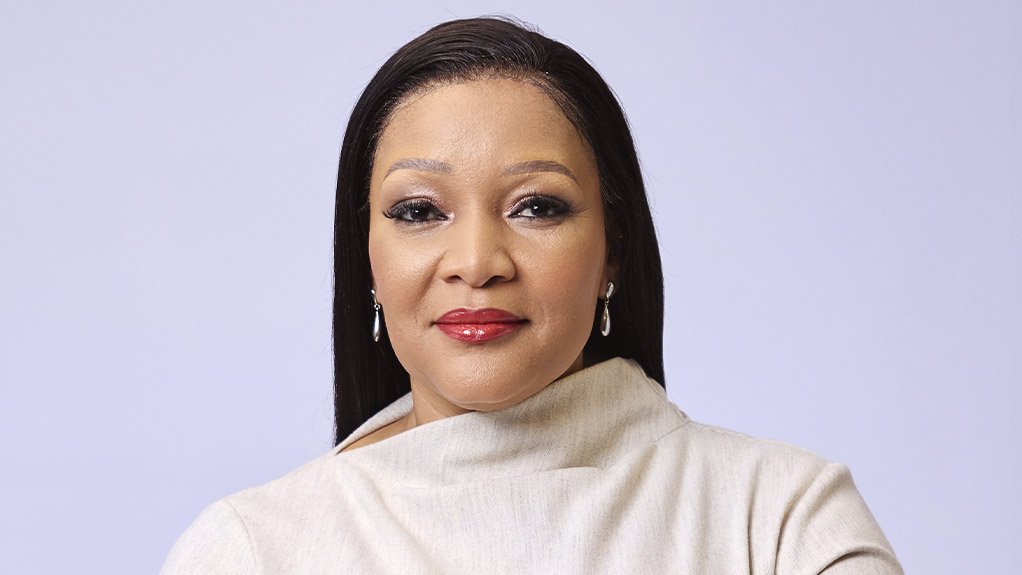
By: Canninah Dladla - Cluster President for Sub-Saharan Africa, Schneider Electric
A quick online search will take you to a myriad of conferences, workshops and think tanks talking about Africa’s energy future. These are all extremely positive and valuable; deep diving investment in infrastructure, generation capacity, technologies and so forth.
However, if there is one investment that must be made - with unwavering commitment - it is to Africa’s people. IMF Managing Director, Kristalina Georgieva rightly said: “It’s absolutely essential to unleash the power of technology and pair this with human capital capable of moving across different employments and opportunities in a more agile manner.”
It is well known that Africa has the world’s youngest population, with a median age of 19.5. The continent therefore requires steadfast investment in honing capability, skills and resultant leadership in its youthful population to ensure that infrastructure delivers lasting value to both communities and economies.
It is also here were Africa’s young people have an extraordinary role to play. And this precisely why Schneider Electric is a Ribbon Partner in this year’s prestigious One Young World Summit, which returns to the continent, bringing together more than two thousand young leaders from more than one hundred and ninety countries to connect, share ideas and develop solutions.
Tomorrow’s future is today
Conversations around Africa’s energy future often positions young Africans as the future beneficiaries of change and advancement. This needs to change – our next generations must not only participate in the energy transition but become equipped to eventually lead it. They must become the creators of solutions.
Already, we are seeing our future leaders emerge; young entrepreneurs and innovators across the continent are developing solutions that respond to distinctly African challenges – from decentralised energy and battery storage to circular economy models and technologies designed for communities where conventional infrastructure is difficult to deploy.
The opportunity is to connect this ingenuity with the education, mentorship, investment and industry access required to take ideas further.
The Schneider Electric Energy Transition Battery Innovation Challenge, held in partnership with our NGO partner Enactus, is a wonderful example. Conceived by a Schneider Electric engineer in South Africa, it provides university students with an opportunity to develop battery solutions addressing regional energy challenges.
What is particularly encouraging is what happens after the competition. The winning teams from 2024 advanced their ideas into real ventures. In Zimbabwe, VoltStep micro‑battery shoes sold over 8,000 pairs in 2025 alone, earned $100,000, and lit up study spaces for nearly 900 rural students.
In Nigeria, Ecovolt turns recycled e‑waste into clean energy, creating 20 youth jobs last year. In South Africa, Airnergy & Tech Solutions has taken its ElectroBoost300 portable power station from student concept to a consumer product, and in Kenya, Afterlife, provides second life applications by repurposing and recycling worn out batteries
Building the skills infrastructure alongside the energy infrastructure
If Africa is to develop this kind of innovation at scale, we need to think about skills infrastructure with the same urgency as the need to deploy physical infrastructure.
This is one reason why partnerships between industry, education institutions and communities’ matter are so vitally important.
Through the French Southern African Schneider Electric Education Centre (F’SASEC) network, Schneider Electric and the Schneider Electric Foundation have worked with institutions across Southern Africa to strengthen practical technical education.
The network includes institutions such as the University of Johannesburg, Vaal University of Technology, Cape Peninsula University of Technology, Sedibeng TVET College, College of Cape Town, Eastcape Midlands College, Ukufunda Youth Development and Don Bosco institutions in Malawi and Mozambique.
This industry-academia connection is critical because the technologies transforming Africa’s energy landscape – electrification, automation, digitalisation, artificial intelligence and new energy systems – are also changing the skills that employers require.
Beyond programmes
Skills development should also extend beyond the classroom. This is why early-career programmes and mentorship are an important part of the ecosystem.
Schneider Electric’s Africa Explorer Programme, for example, was established to give high-potential young African professionals international exposure, skills development and leadership opportunities through placements across global Schneider Electric markets.
Additionally, our Advancing Energy Tech mentorship programme, launched this year, also connects electrical engineering and technical students across South, East and West Africa with Schneider Electric mentors as they transition from education into the energy and technology industries.
I began my career in engineering and progressed through operations and leadership roles. Leadership does simply appear fully formed; it develops through education, experience, mentorship and challenges. Confidence and success come from being given the opportunity to participate, grow and contribute.
This is why I believe Africa’s energy future must be built with, rather than simply for, its next generation.
Technology will undoubtedly be central to Africa’s transformation ahead, but it will not in insolation electrify Africa’s economies, develop industries, or create inclusive growth; it’s people will.
That is why Schneider Electric is partnering with the One Young World Summit, to invest in people, building the skills that will turn innovation into lasting and sustainable impact.
Article Enquiry
Email Article
Save Article
Feedback
To advertise email advertising@creamermedia.co.za or click here
Research Reports

Projects

Latest Multimedia
Latest News
Showroom

Mitsubishi Chemical Advanced Materials South Africa (Pty) Ltd is a leading manufacturer of high-performance engineering plastics for the mining...
VISIT SHOWROOM
Virtual Gas Network supplies compressed natural gas via a virtual gas distribution network.
VISIT SHOWROOM
Announcements
What's On
Subscribe to improve your user experience...
Option 1 (equivalent of R125 a month):
Receive a weekly copy of Creamer Media's Engineering News & Mining Weekly magazine
(print copy for those in South Africa and e-magazine for those outside of South Africa)
Receive daily email newsletters
Access to full search results
Access archive of magazine back copies
Access to Projects in Progress
Access to ONE Research Report of your choice in PDF format
Option 2 (equivalent of R375 a month):
All benefits from Option 1
PLUS
Access to Creamer Media's Research Channel Africa for ALL Research Reports, in PDF format, on various industrial and mining sectors
including Electricity; Water; Energy Transition; Hydrogen; Roads, Rail and Ports; Coal; Gold; Platinum; Battery Metals; etc.
Already a subscriber?
Forgotten your password?
Receive weekly copy of Creamer Media's Engineering News & Mining Weekly magazine (print copy for those in South Africa and e-magazine for those outside of South Africa)
➕
Recieve daily email newsletters
➕
Access to full search results
➕
Access archive of magazine back copies
➕
Access to Projects in Progress
➕
Access to ONE Research Report of your choice in PDF format
RESEARCH CHANNEL AFRICA
R4500 (equivalent of R375 a month)
SUBSCRIBEAll benefits from Option 1
➕
Access to Creamer Media's Research Channel Africa for ALL Research Reports on various industrial and mining sectors, in PDF format, including on:
Electricity
➕
Water
➕
Energy Transition
➕
Hydrogen
➕
Roads, Rail and Ports
➕
Coal
➕
Gold
➕
Platinum
➕
Battery Metals
➕
etc.
Receive all benefits from Option 1 or Option 2 delivered to numerous people at your company
➕
Multiple User names and Passwords for simultaneous log-ins
➕
Intranet integration access to all in your organisation