Copper mines need $332bn new investment to ease shortfall

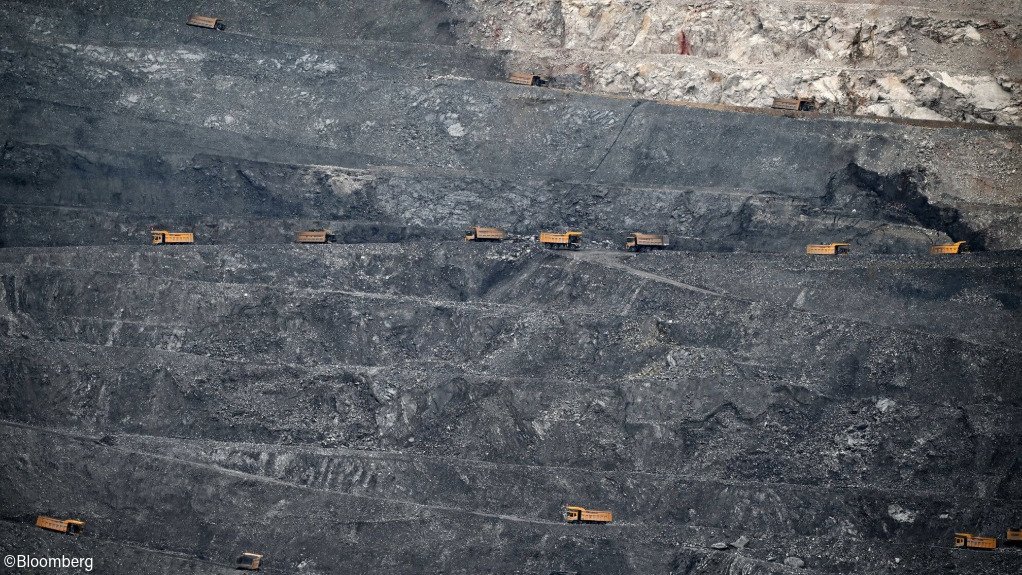


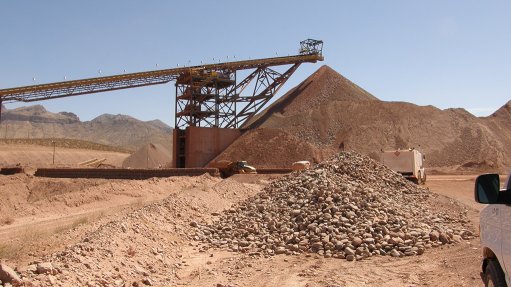
Copper mines need about $332-billion of new investment to avert a future supply shock, according to Bloomberg New Energy Finance estimates.
Without significant capital outlays, the copper market faces a projected supply shortfall of 20-million metric tons by 2050, and is at risk of a painful squeeze that will slow the shift toward electrification, according to a report released Tuesday.
The market is expected to slip into deficit by 2028 as demand rises and producers struggle to replace declining output, BNEF analysts said.
The shift away from fossil fuels and toward electrifying everything from cars to data centers has made copper by far the most supply-constrained metal covered in BloombergNEF’s Transition Metals Outlook report. Demand linked to electrification is projected to spike 89% to 23.3-million tons in 2050, accounting for more than half of total copper consumption.
“Electrified transport is the fastest-growing copper application,” the analysts wrote. “Electric cars, trucks and buses, whose adoption skyrockets over 2026-2050, require copper in motors, inverters, battery packs, high-voltage wiring and charging.”
The red metal will also continue to be in demand for construction, industrial production and consumer products, while data centers are just “a drop in the ocean for copper demand.”
Enough copper may exist underground, but new and expanded mines are not coming online fast enough to offset declining output from existing operations. Without additional investment, total supply could fall 14.5% to 25.7-million tons by 2050, from 30-million tons in 2026. Falling ore grades will raise production costs, while recycling won’t be enough to offset lower primary output.
Even if the required $332-billion is invested in new mines, the gap is likely to remain open until at least 2043 because a new copper mine takes an average of 17 years to develop.
Chile is expected to remain the largest primary producer, although its output is forecast to fall to 4.8-million tons in 2050, from 5.8-million tons in 2026, BNEF estimates. The nation’s share of mined supply would nevertheless rise to 28% from 24% as production declines more rapidly elsewhere.
Article Enquiry
Email Article
Save Article
Feedback
To advertise email advertising@creamermedia.co.za or click here
Research Reports

Projects
Latest Multimedia
Latest News
Showroom
AxFlow AQS Liquid Transfer (Pty) Ltd is an Importer and Distributor of Pumps in Southern Africa
VISIT SHOWROOM
EIMS is an independent specialised environmental consulting firm offering the full spectrum of environmental management services across all sectors...
VISIT SHOWROOM

Announcements
What's On
Subscribe to improve your user experience...
Option 1 (equivalent of R125 a month):
Receive a weekly copy of Creamer Media's Engineering News & Mining Weekly magazine
(print copy for those in South Africa and e-magazine for those outside of South Africa)
Receive daily email newsletters
Access to full search results
Access archive of magazine back copies
Access to Projects in Progress
Access to ONE Research Report of your choice in PDF format
Option 2 (equivalent of R375 a month):
All benefits from Option 1
PLUS
Access to Creamer Media's Research Channel Africa for ALL Research Reports, in PDF format, on various industrial and mining sectors
including Electricity; Water; Energy Transition; Hydrogen; Roads, Rail and Ports; Coal; Gold; Platinum; Battery Metals; etc.
Already a subscriber?
Forgotten your password?
Receive weekly copy of Creamer Media's Engineering News & Mining Weekly magazine (print copy for those in South Africa and e-magazine for those outside of South Africa)
➕
Recieve daily email newsletters
➕
Access to full search results
➕
Access archive of magazine back copies
➕
Access to Projects in Progress
➕
Access to ONE Research Report of your choice in PDF format
RESEARCH CHANNEL AFRICA
R4500 (equivalent of R375 a month)
SUBSCRIBEAll benefits from Option 1
➕
Access to Creamer Media's Research Channel Africa for ALL Research Reports on various industrial and mining sectors, in PDF format, including on:
Electricity
➕
Water
➕
Energy Transition
➕
Hydrogen
➕
Roads, Rail and Ports
➕
Coal
➕
Gold
➕
Platinum
➕
Battery Metals
➕
etc.
Receive all benefits from Option 1 or Option 2 delivered to numerous people at your company
➕
Multiple User names and Passwords for simultaneous log-ins
➕
Intranet integration access to all in your organisation