Tariff increases might hinder SAREM

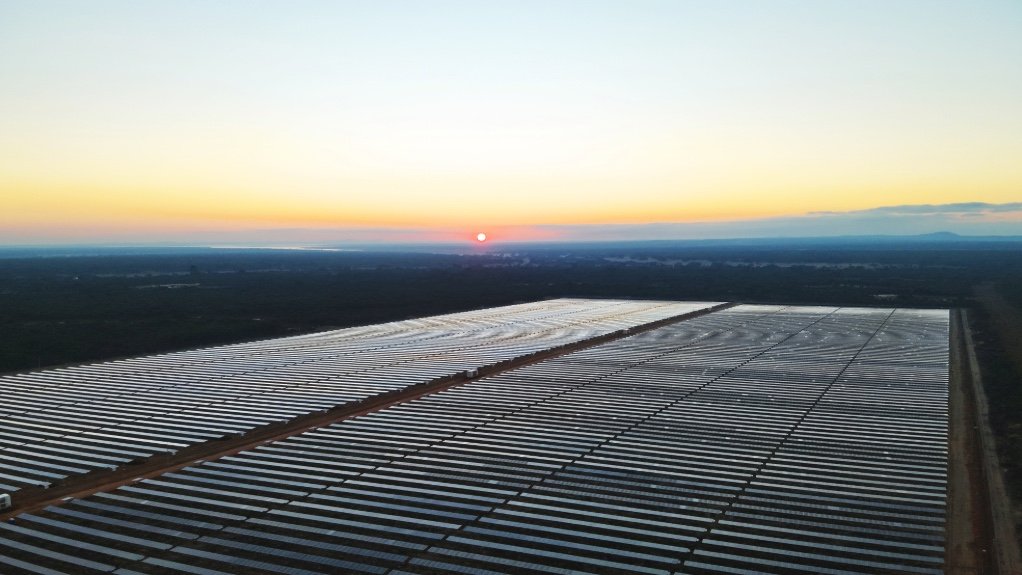
SAREM HINDRANCE Increased import tariffs might hinder the progression and implementation of the SAREM, including imported components used in the manufacture of solar panels


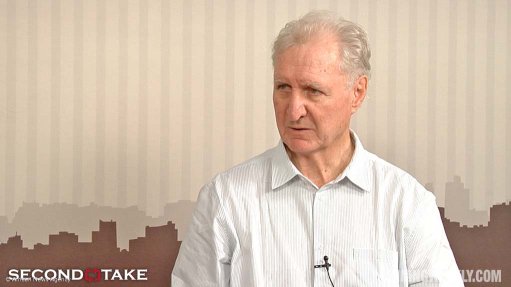
The implementation of the South African Renewable Energy Masterplan (SAREM) could be affected by abrupt or poorly sequenced increases in some import tariffs, which may raise equipment costs, affect the broader renewable-energy supply chain and weaken the competitiveness of renewable-energy projects, says PV mounting-structure solutions provider Powerway Renewable Energy's Africa sales manager and a renewable-energy industry expert Dr Arthur Mangwende.
Many local industries depend on the global, interconnected supply chain for raw materials, components and equipment such as specialised steel components and electrical equipment used in the local manufacture of solar modules, inverters, batteries, mounting structures and trackers.
Given the number of potentially affected parties, “a blanket tariff increase may affect not only foreign suppliers but also South African manufacturers that rely on imported inputs”, potentially hindering prospective renewable-energy projects.
“The objective should not simply be to replace imported products. It should be to create sustainable South African capabilities, businesses and skills that can compete, innovate and grow over the long term,” says Mangwende.
Further, these tariffs should be gradually and carefully introduced, enabling South Africa to improve its local manufacturing and production capacity, in line with the country’s broader localisation goals.
The implementation of SAREM, and the deployment and use of renewable energy, should also be supplemented by investment incentives, skills development and enhanced technology transfer from government, as well as all public and private stakeholders, he states.
This should form the basis of a “coordinated implementation framework” that includes contributions from government, project developers, manufacturers, financiers, utilities, organised labour, educational institutions and communities.
Projects
The array of renewable-energy projects that are planned, in development or being deployed can help to facilitate the implementation of SAREM. These include projects requiring battery energy storage systems, commercial and industrial renewable-energy systems, embedded generation, transmission and grid-expansion projects, as well as utility-scale solar and wind projects, Mangwende says.
“Demand from these projects may also spur greater investment in component assembly, steel fabrication, battery value chains, testing facilities, recycling and skills-development centres.”
Mangwende highlights that SAREM-centred localisation will be possible only through a “balanced approach that supports local manufacturing without unnecessarily delaying renewable-energy deployment or increasing project costs”.
He also cites the employment opportunities that result from the development of solar and renewable-energy projects, whereby South Africans and small- and medium-sized enterprises can participate in, for example, projects involving roadworks, civil works, fabrication and manufacturing, electrical installation and site preparation.
The realisation of SAREM alongside the rise in renewables countrywide can also create opportunities to address other national challenges such as energy security and reindustrialisation.
Mangwende believes that localisation should be embedded from the earliest stages of renewable-energy strategy and SAREM implementation, supporting a Just Energy Transition while facilitating economic inclusion and growth.
“The objective should be to build South African industries that can supply the domestic market and, eventually, export renewable-energy products and expertise into the wider African market. In this way, SAREM can become more than a plan. It can serve as a platform for industrial renewal, skills development, enterprise growth and long-term economic participation,” he concludes.
Article Enquiry
Email Article
Save Article
Feedback
To advertise email advertising@creamermedia.co.za or click here

Projects

Latest Multimedia
Latest News
Showroom
TEBA is a trusted workforce solutions partner to the mining and industrial sectors, providing end-to-end SLP compliant recruitment, candidate...
VISIT SHOWROOM
Announcements
What's On
Subscribe to improve your user experience...
Option 1 (equivalent of R125 a month):
Receive a weekly copy of Creamer Media's Engineering News & Mining Weekly magazine
(print copy for those in South Africa and e-magazine for those outside of South Africa)
Receive daily email newsletters
Access to full search results
Access archive of magazine back copies
Access to Projects in Progress
Access to ONE Research Report of your choice in PDF format
Option 2 (equivalent of R375 a month):
All benefits from Option 1
PLUS
Access to Creamer Media's Research Channel Africa for ALL Research Reports, in PDF format, on various industrial and mining sectors
including Electricity; Water; Energy Transition; Hydrogen; Roads, Rail and Ports; Coal; Gold; Platinum; Battery Metals; etc.
Already a subscriber?
Forgotten your password?
Receive weekly copy of Creamer Media's Engineering News & Mining Weekly magazine (print copy for those in South Africa and e-magazine for those outside of South Africa)
➕
Recieve daily email newsletters
➕
Access to full search results
➕
Access archive of magazine back copies
➕
Access to Projects in Progress
➕
Access to ONE Research Report of your choice in PDF format
RESEARCH CHANNEL AFRICA
R4500 (equivalent of R375 a month)
SUBSCRIBEAll benefits from Option 1
➕
Access to Creamer Media's Research Channel Africa for ALL Research Reports on various industrial and mining sectors, in PDF format, including on:
Electricity
➕
Water
➕
Energy Transition
➕
Hydrogen
➕
Roads, Rail and Ports
➕
Coal
➕
Gold
➕
Platinum
➕
Battery Metals
➕
etc.
Receive all benefits from Option 1 or Option 2 delivered to numerous people at your company
➕
Multiple User names and Passwords for simultaneous log-ins
➕
Intranet integration access to all in your organisation