Propak Cape showcases the sustainability benefits of plastics packaging



This article has been supplied.
The South African plastics recycling industry continues to make strides in creating a circular economy for plastics. Recent statistics from Plastics SA revealed that plastics recycling increased by 3% in 2025 to 485-thousand tons, across the packaging, building, construction, agriculture, mining, automotive and consumer goods sectors. While the use of virgin polymer decreased by 2.8% and domestic plastic consumption decreased in 2025, plastics recycling and the use of recycled materials increased. Circular plastics content in new products now sits at 22%, compared to 16% 10 years ago. These statistics highlight South Africa as a leading performer in plastics recycling and the largest plastics recycler in Southern Africa.
The plastic recycling industry has shown strong growth over more than a decade with the domestic consumption of recyclate growing by 62% over the past ten years. These figures show the industry commitment and investment in the creation of a circular plastics economy. More than 30% of recycled plastics is used in the packaging industry. Packaging remains the main growth area for the plastics sector with demand for polypropylene (PP), PET and HDPE for the packaging industry remaining strong. In addition, plastics recycling creates an estimated 111-thousand income generating opportunities across the entire value chain.
Visitors to this year’s Propak Cape exhibition, taking place in Cape Town in October, can expect to see and experience the latest in sustainable plastics and recycling solutions. Propak Cape takes place once every three years in the Western Cape, offering a focused, three-day platform for innovation, collaboration and industry engagement. The sustainable properties of plastics, as well as all the latest recycling solutions will be highlighted at the event.
Plastic packaging that is properly disposed of is not harmful to the environment but is a reusable resource that keeps producing after the initial product lifespan. Plastics are one of only a few substances that retains its value even beyond its end of life. Its ability to be reused and recycled into new products makes it a sustainable resource, reducing the consumption of fossil fuels and protecting the environment.
Plastic packaging also protects product contents, preventing waste and reducing the carbon and water footprints associated with manufacturing. Its lightweight nature enables more efficient transport, generating fewer carbon emissions than heavier packaging materials. Plastic is also highly durable, reducing spoilage and breakage during transport and handling.
In store, plastic packaging can significantly extend shelf life, helping to reduce food waste. It protects food, medicines and household cleaning products from damage, contamination, moisture and UV radiation. Lightweight, resilient, flexible, hygienic and innovative, plastic is an excellent material for the processing, storage, transport, protection and preservation of products. Across the product life cycle, plastic packaging helps lower greenhouse gas emissions and can offer a smaller environmental footprint than many alternatives.
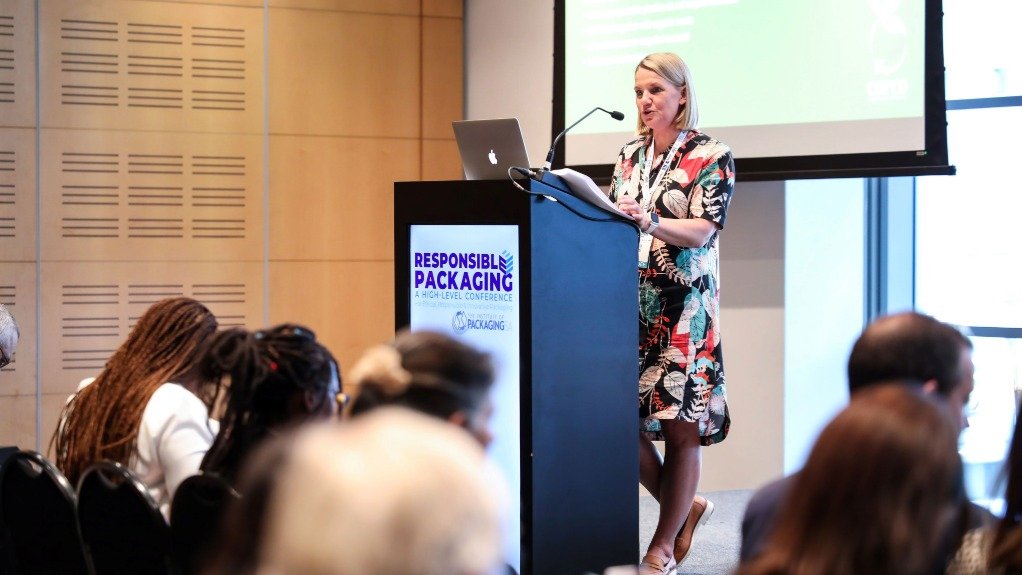
The programme of free-to-attend seminars hosted by the Institute of Packaging SA (IPSA) will also have sustainability as an overarching thread during the three days. These sessions will deliver insights into key packaging and processing trends aligned with the theme days New Products and Technology, Sustainability and Automation. Producer Responsibility Organisations will be part of the programme.
Printing SA’s one-day industry conference will provide additional value through expert-led discussions and knowledge sharing, and the FTASA Print Excellence Awards will also take place during Propak Cape.
Propak Cape, which incorporates Pro-Plas Expo, together with Print Expo, Pro-Label Expo and FoodPro is an opportunity for visitors to see the latest innovations, products, technologies and solutions in packaging, food processing, plastics, printing and labelling.
Propak Cape 2026 will take place at the Cape Town International Conference Centre (CTICC) from 27-29 October 2026. The event is supported by IPSA, Packaging SA, Plastics SA and Printing SA.
Article Enquiry
Email Article
Save Article
Feedback
To advertise email advertising@creamermedia.co.za or click here
Research Reports



Latest Multimedia

Latest News
Showroom

Axiom Hydraulics is a trusted leader in South Africa’s hydraulic industry, delivering world-class components, systems, and engineering expertise...
VISIT SHOWROOM


Press Office
Announcements
What's On
Subscribe to improve your user experience...
Option 1 (equivalent of R125 a month):
Receive a weekly copy of Creamer Media's Engineering News & Mining Weekly magazine
(print copy for those in South Africa and e-magazine for those outside of South Africa)
Receive daily email newsletters
Access to full search results
Access archive of magazine back copies
Access to Projects in Progress
Access to ONE Research Report of your choice in PDF format
Option 2 (equivalent of R375 a month):
All benefits from Option 1
PLUS
Access to Creamer Media's Research Channel Africa for ALL Research Reports, in PDF format, on various industrial and mining sectors
including Electricity; Water; Energy Transition; Hydrogen; Roads, Rail and Ports; Coal; Gold; Platinum; Battery Metals; etc.
Already a subscriber?
Forgotten your password?
Receive weekly copy of Creamer Media's Engineering News & Mining Weekly magazine (print copy for those in South Africa and e-magazine for those outside of South Africa)
➕
Recieve daily email newsletters
➕
Access to full search results
➕
Access archive of magazine back copies
➕
Access to Projects in Progress
➕
Access to ONE Research Report of your choice in PDF format
RESEARCH CHANNEL AFRICA
R4500 (equivalent of R375 a month)
SUBSCRIBEAll benefits from Option 1
➕
Access to Creamer Media's Research Channel Africa for ALL Research Reports on various industrial and mining sectors, in PDF format, including on:
Electricity
➕
Water
➕
Energy Transition
➕
Hydrogen
➕
Roads, Rail and Ports
➕
Coal
➕
Gold
➕
Platinum
➕
Battery Metals
➕
etc.
Receive all benefits from Option 1 or Option 2 delivered to numerous people at your company
➕
Multiple User names and Passwords for simultaneous log-ins
➕
Intranet integration access to all in your organisation