Optimising Transfer Points Is The Hidden Opportunity To Unlock Plant Availability And Throughput

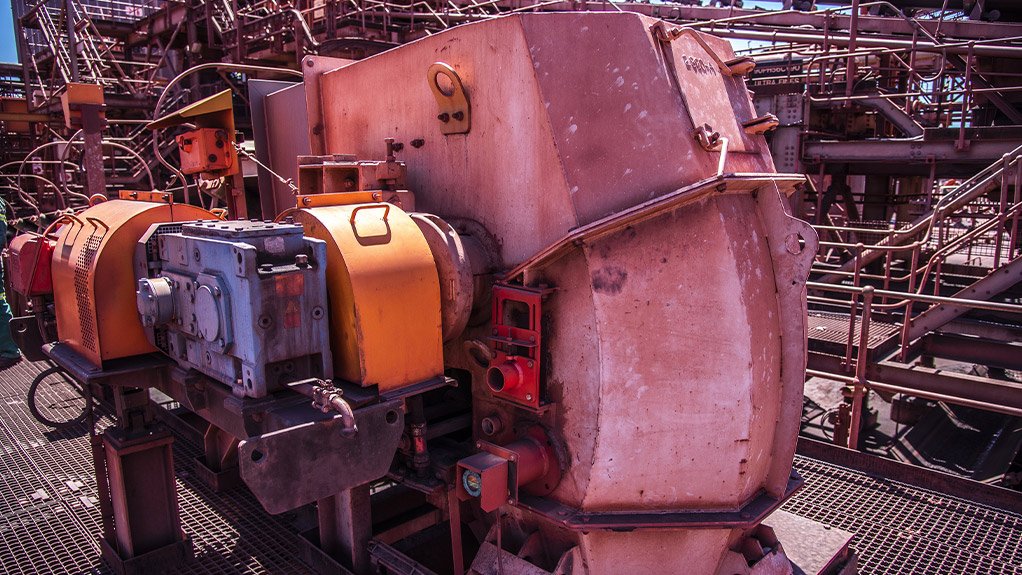
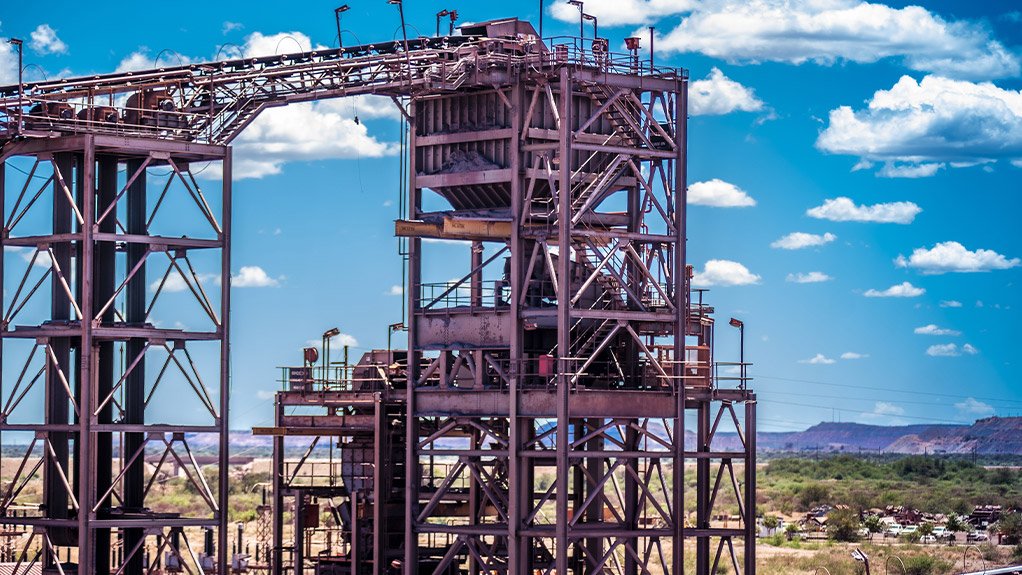
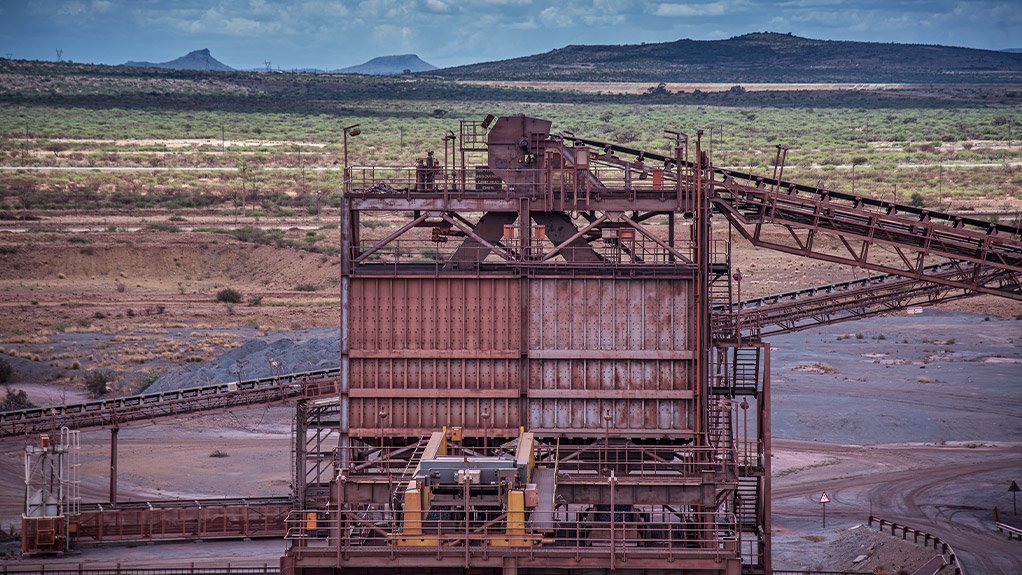
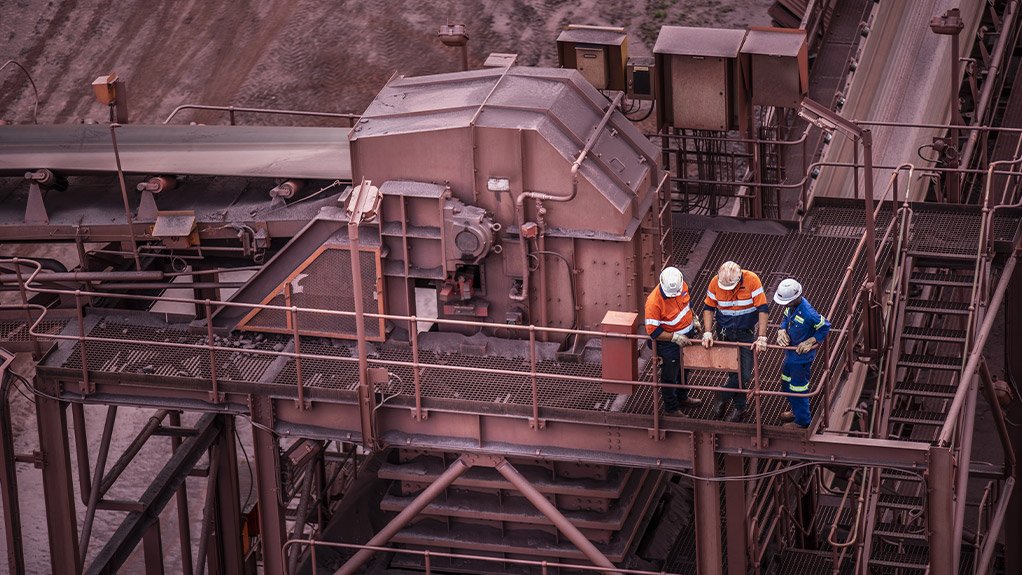
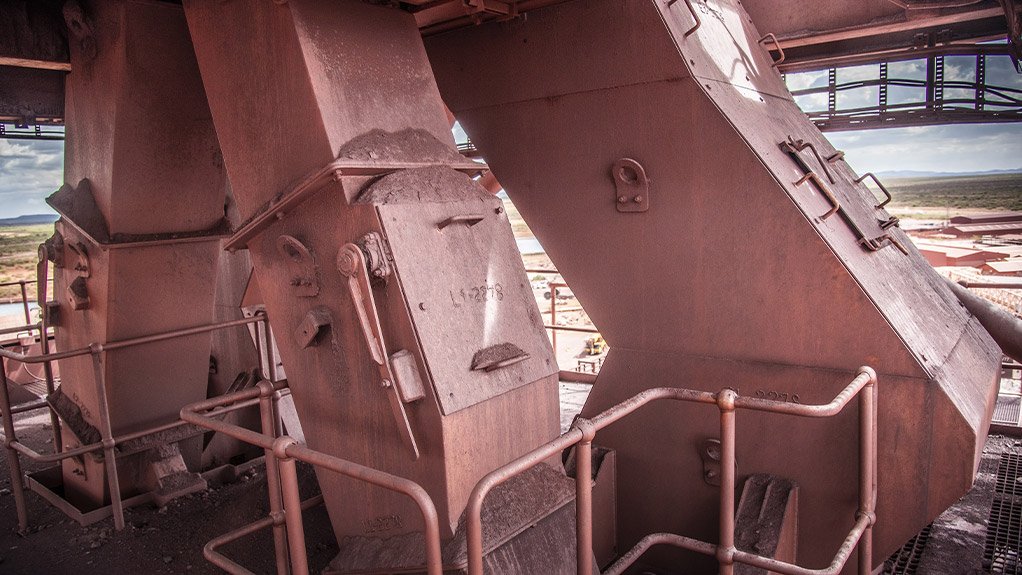
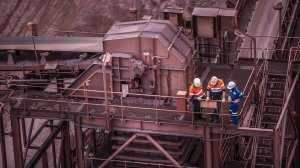
A Weba Superflow transfer chute optimises material flow, reduces wear and improves plant performance
Weba engineered transfer chutes improve material control while reducing spillage, maintenance and downtime
A Weba bifurcated transfer chute ensures even material distribution while minimising impact and wear
A Weba engineered head chute controls material trajectory to improve downstream flow and reduce wear
A Weba bifurcated transfer chute delivers controlled material flow for reliable plant performance
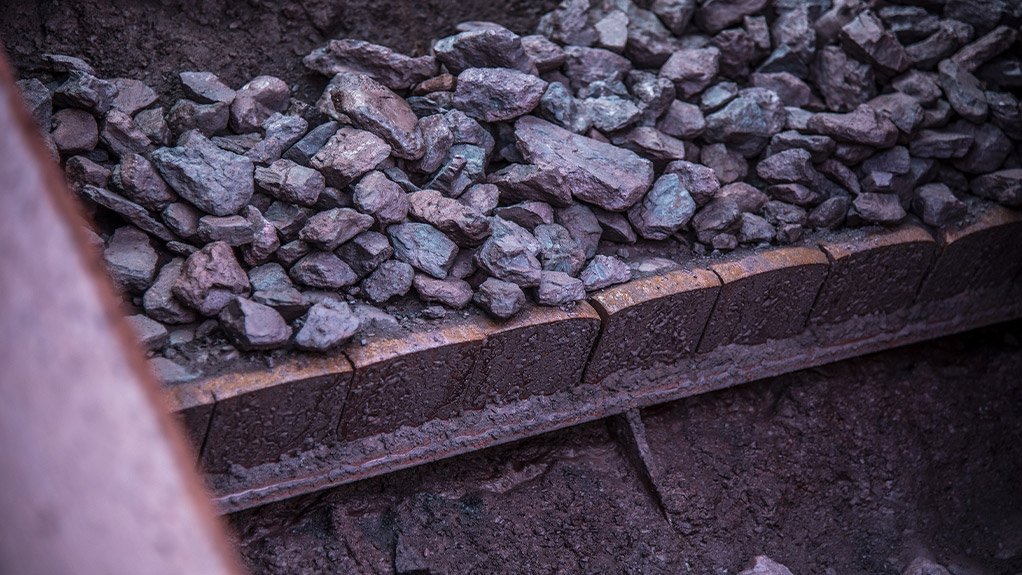
Weba replaceable quick-release lips simplify maintenance, reduce downtime and extend transfer chute service life





This article has been supplied.
In many mineral processing plants, significant attention is given to major equipment such as crushers, mills, screens and pumps when seeking production improvements. However, one of the most overlooked opportunities to increase plant availability, improve throughput and reduce operating costs lies in the optimisation of transfer points.
According to Dewald Tintinger, Technical Director at Weba Chute Systems, a company that specialises exclusively in transfer point design and optimisation, poorly performing transfer points can create a cascade of operational problems that impact productivity across an entire plant.
"Transfer points are often viewed as relatively simple components within a materials handling system but their influence on plant performance is substantial," Tintinger says. "When material flow is not properly controlled, operations can experience excessive wear, blockages, spillage, dust generation and unscheduled downtime. These issues directly affect plant availability and ultimately reduce throughput."
Having worked on transfer point installations and optimisation projects for mines around the world, Weba Chute Systems has seen first-hand how seemingly minor material handling challenges can have a significant impact on operational performance.
In modern mining operations, material may pass through dozens of transfer points as it moves from crushing and screening circuits through beneficiation and processing stages. Every transfer point represents a potential risk if material flow characteristics are not properly understood and managed.
Uncontrolled material trajectories can accelerate wear on chutes, conveyors and downstream equipment. In severe cases, build-up and blockages may require operators to stop production while maintenance teams intervene, creating avoidable downtime and exposing personnel to unnecessary risks.
Tintinger explains that transfer point optimisation should be approached as a strategic productivity initiative rather than a maintenance exercise.
"Many operations focus on replacing worn components when problems arise but the real opportunity is to address the root cause of the issue," he says. "By understanding how the material behaves and designing transfer points that control flow effectively, mines can significantly improve reliability while reducing maintenance requirements."
This philosophy underpins Weba Chute Systems' approach, which focuses on controlling material flow from the outset rather than simply managing the consequences of poor transfer point performance.
Advanced design methodologies such as Discrete Element Modelling (DEM) now allow engineers to accurately simulate material flow before equipment is manufactured or modified. This provides valuable insight into particle movement, impact zones, velocity profiles and wear patterns.
"DEM technology enables us to see exactly how material interacts with a transfer point under real operating conditions," Tintinger says. "This allows potential bottlenecks, excessive wear areas and flow inefficiencies to be identified and corrected before they impact production."
By combining DEM analysis with decades of transfer point design experience, Weba Chute Systems is able to develop chute solutions tailored to specific ore characteristics, operating conditions and production objectives.
The benefits of transfer point optimisation extend beyond equipment reliability. Improved material control can reduce spillage, lower dust emissions and minimise product degradation, contributing to safer and more sustainable operations.
In an industry where margins are under constant pressure, even modest improvements in plant availability can translate into significant financial gains. A reduction in downtime, fewer maintenance interventions and improved throughput can collectively deliver substantial value over the life of a processing plant.
"Mining companies are increasingly focused on extracting greater value from existing assets rather than simply investing in additional equipment," Tintinger says. "Optimised transfer points offer an opportunity to achieve exactly that by improving the performance of the entire materials handling system."
As operations continue to pursue higher productivity, lower operating costs and improved sustainability, transfer point optimisation is emerging as a critical but often underappreciated contributor to overall plant performance. Through its specialised focus on transfer point technology, Weba Chute Systems continues to help mines unlock these performance improvements while reducing operational risk.
"Every tonne of material passes through multiple transfer points before reaching its destination," Tintinger concludes. "When those transfer points are designed correctly, the benefits are felt throughout the operation in the form of improved availability, higher throughput, lower maintenance costs and safer working conditions."
Article Enquiry
Email Article
Save Article
Feedback
To advertise email advertising@creamermedia.co.za or click here
Research Reports




Latest Multimedia


Latest News


Showroom

Complete range of security sealing solutions including security seals bags and labels.
VISIT SHOWROOM
ROSOND provides fast, efficient, safe, and cost-effective drilling and grouting services to mining and exploration industries throughout Africa.
VISIT SHOWROOM


Announcements
What's On
Subscribe to improve your user experience...
Option 1 (equivalent of R125 a month):
Receive a weekly copy of Creamer Media's Engineering News & Mining Weekly magazine
(print copy for those in South Africa and e-magazine for those outside of South Africa)
Receive daily email newsletters
Access to full search results
Access archive of magazine back copies
Access to Projects in Progress
Access to ONE Research Report of your choice in PDF format
Option 2 (equivalent of R375 a month):
All benefits from Option 1
PLUS
Access to Creamer Media's Research Channel Africa for ALL Research Reports, in PDF format, on various industrial and mining sectors
including Electricity; Water; Energy Transition; Hydrogen; Roads, Rail and Ports; Coal; Gold; Platinum; Battery Metals; etc.
Already a subscriber?
Forgotten your password?
Receive weekly copy of Creamer Media's Engineering News & Mining Weekly magazine (print copy for those in South Africa and e-magazine for those outside of South Africa)
➕
Recieve daily email newsletters
➕
Access to full search results
➕
Access archive of magazine back copies
➕
Access to Projects in Progress
➕
Access to ONE Research Report of your choice in PDF format
RESEARCH CHANNEL AFRICA
R4500 (equivalent of R375 a month)
SUBSCRIBEAll benefits from Option 1
➕
Access to Creamer Media's Research Channel Africa for ALL Research Reports on various industrial and mining sectors, in PDF format, including on:
Electricity
➕
Water
➕
Energy Transition
➕
Hydrogen
➕
Roads, Rail and Ports
➕
Coal
➕
Gold
➕
Platinum
➕
Battery Metals
➕
etc.
Receive all benefits from Option 1 or Option 2 delivered to numerous people at your company
➕
Multiple User names and Passwords for simultaneous log-ins
➕
Intranet integration access to all in your organisation