Falling costs make renewables more viable

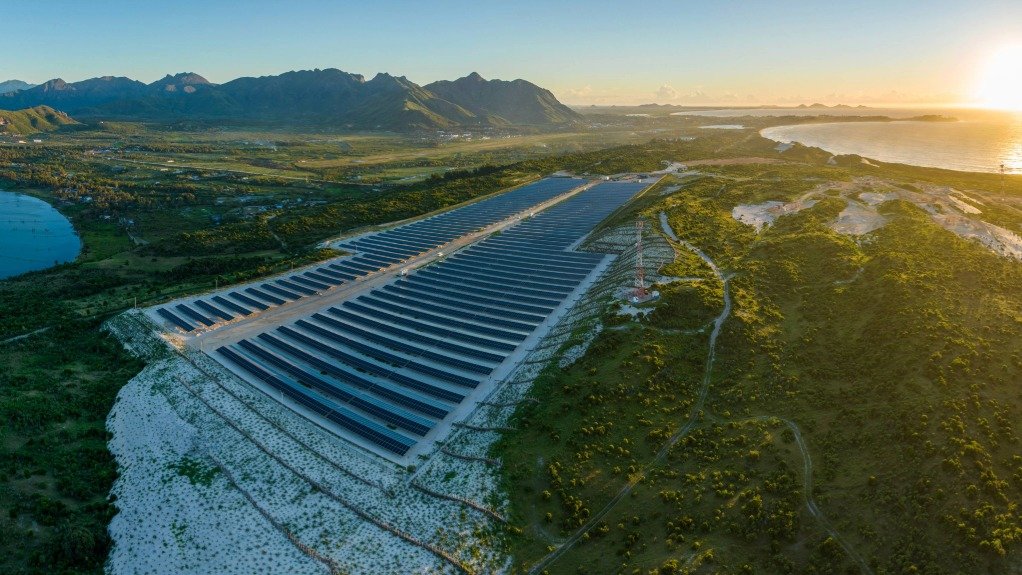
LONG-TERM VALUE Dispatchable solar power and battery storage is now able to deliver substantially lower lifetime energy costs as prices fall and are incurred upfront
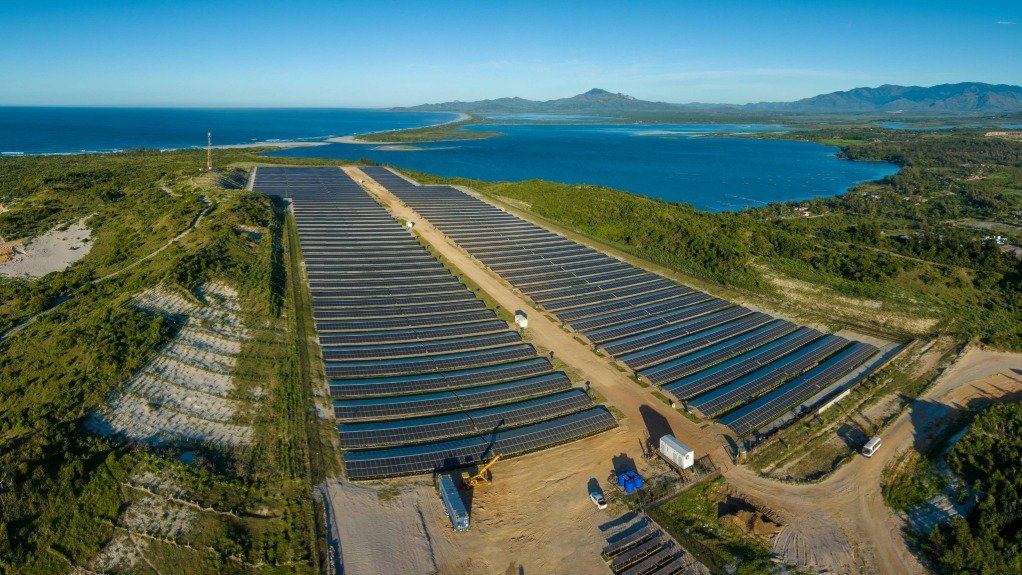
BIG IMPACT Higher solar penetration lowers energy costs, improves power security and reduces exposure to fuel price volatility
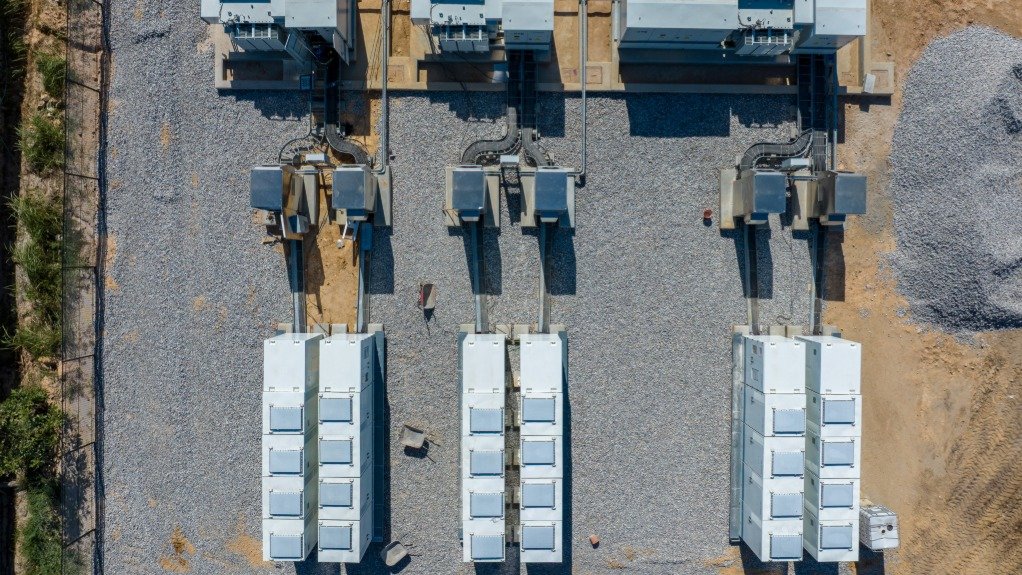
FEASIBLE PRICING Falling battery storage costs have enabled 24/7 renewable-energy supply
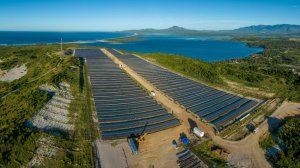
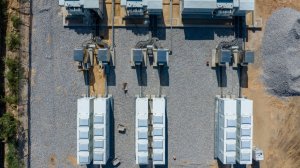


Sustainability aside, falling solar and battery costs have made renewable energy a compelling solution for reducing energy costs and improving power reliability, with dispatchable solar and battery systems expected to play an increasingly central role in powering industrial growth across Africa, says renewable energy systems developer and operator CrossBoundary Energy commercial head Franck Alloghe.
Aligned to this, CrossBoundary Energy is currently delivering the Kamoa-Kakula solar PV and battery energy storage system (BESS) baseload project in the Democratic Republic of Congo (DRC).
The development will provide 30 MW of 24/7 power to copper miner Kamoa Copper’s Kamoa-Kakula copper mining complex, through a power purchase agreement (PPA).
The project consists of a 233 MW solar PV power plant and a 526 MWh battery, delivering 30 MW of continuous dispatchable power to the mining complex.
Alloghe attributes the project’s viability to converging cost trends, noting that while solar PV costs have significantly decreased over the past decade, the “real game changer” has been the rapid decline in battery storage costs.
Citing intergovernmental organisation International Renewable Energy Agency’s 2024 Renewable Power Generation Costs report, he explains that BESS costs fell by 93% between 2010 and 2024, from about $2 571/kWh in 2010 to about $192/kWh in 2024, making it more economical to store excess daytime solar energy for night-time dispatch.
This, in turn, has unlocked significantly higher solar penetration, enabling renewables to meet a more meaningful share of a mine’s 24/7 power requirements, as well as lowering energy costs, improving power security and reducing exposure to fuel price volatility.
Continued improvements in energy density and operating performance are expected to further improve battery costs, with intergovernmental organisation International Energy Agency estimating that innovation could reduce battery storage capital costs by a further 40% by 2030, reinforcing the trend towards competitive, dispatchable solar- plus-storage solutions.
These trends are further strengthened by the context of the local power market, where the grid reliability of certain regions remains a challenge. Combined with costly, inconsistent imported power, reliable onsite power becomes significantly valuable for big, energy-intensive mining operations, explains Alloghe.
For diesel generation-reliant mines, dispatchable solar power and battery storage can now deliver substantially lower lifetime energy costs compared to diesel when factoring in transport, storage, working capital, maintenance, spare parts, security and the supply-chain risks associated with diesel, he adds.
In contrast, Alloghe says most of the costs of solar power and battery systems are incurred upfront, providing long-term price visibility and reducing operational risk over the asset life, alongside decarbonisation benefits.
Article Enquiry
Email Article
Save Article
Feedback
To advertise email advertising@creamermedia.co.za or click here
Research Reports

Projects
Latest Multimedia
Latest News

Showroom
M and J Mining are leading suppliers of physical support systems as used by the underground mining industry. Our selection of products are not...
VISIT SHOWROOM
SABAT Batteries is a renowned brand in the battery industry, manufacturing a wide range of batteries at its state-of-the-art production facility in...
VISIT SHOWROOM


Announcements
What's On
Subscribe to improve your user experience...
Option 1 (equivalent of R125 a month):
Receive a weekly copy of Creamer Media's Engineering News & Mining Weekly magazine
(print copy for those in South Africa and e-magazine for those outside of South Africa)
Receive daily email newsletters
Access to full search results
Access archive of magazine back copies
Access to Projects in Progress
Access to ONE Research Report of your choice in PDF format
Option 2 (equivalent of R375 a month):
All benefits from Option 1
PLUS
Access to Creamer Media's Research Channel Africa for ALL Research Reports, in PDF format, on various industrial and mining sectors
including Electricity; Water; Energy Transition; Hydrogen; Roads, Rail and Ports; Coal; Gold; Platinum; Battery Metals; etc.
Already a subscriber?
Forgotten your password?
Receive weekly copy of Creamer Media's Engineering News & Mining Weekly magazine (print copy for those in South Africa and e-magazine for those outside of South Africa)
➕
Recieve daily email newsletters
➕
Access to full search results
➕
Access archive of magazine back copies
➕
Access to Projects in Progress
➕
Access to ONE Research Report of your choice in PDF format
RESEARCH CHANNEL AFRICA
R4500 (equivalent of R375 a month)
SUBSCRIBEAll benefits from Option 1
➕
Access to Creamer Media's Research Channel Africa for ALL Research Reports on various industrial and mining sectors, in PDF format, including on:
Electricity
➕
Water
➕
Energy Transition
➕
Hydrogen
➕
Roads, Rail and Ports
➕
Coal
➕
Gold
➕
Platinum
➕
Battery Metals
➕
etc.
Receive all benefits from Option 1 or Option 2 delivered to numerous people at your company
➕
Multiple User names and Passwords for simultaneous log-ins
➕
Intranet integration access to all in your organisation