Engineered Conveyor Solutions Are Critical To Reducing Downtime And Improving Plant Reliability

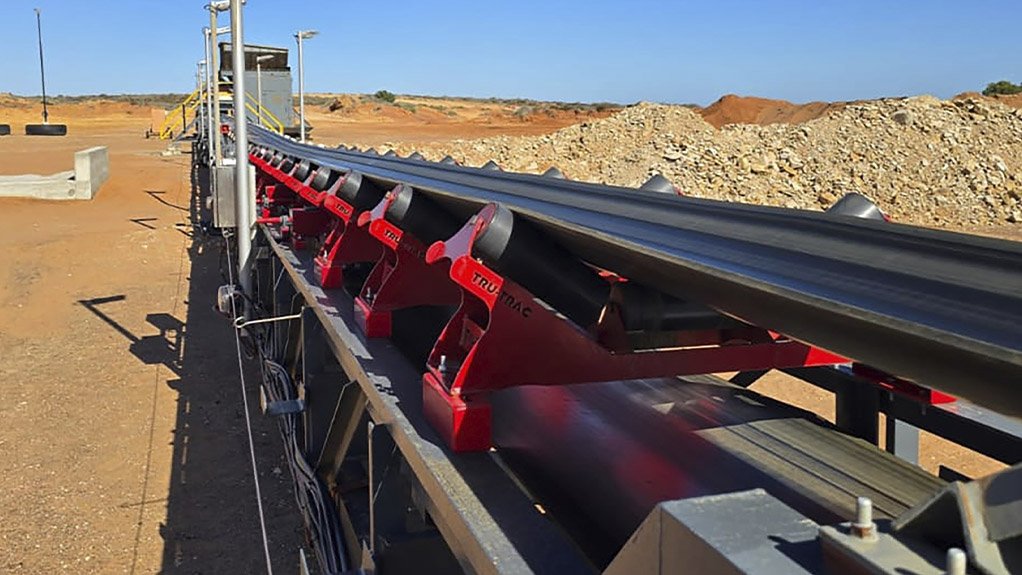
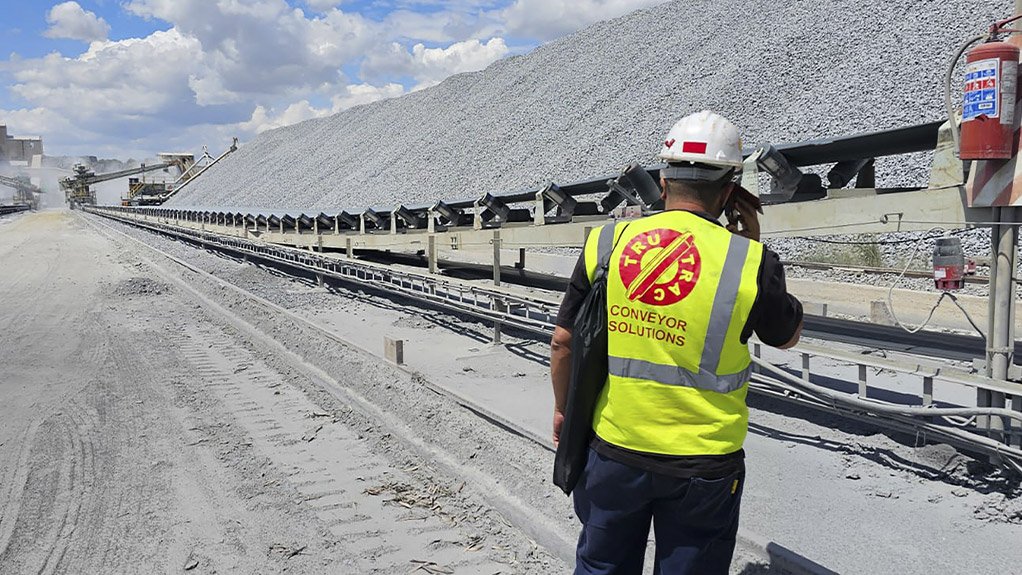
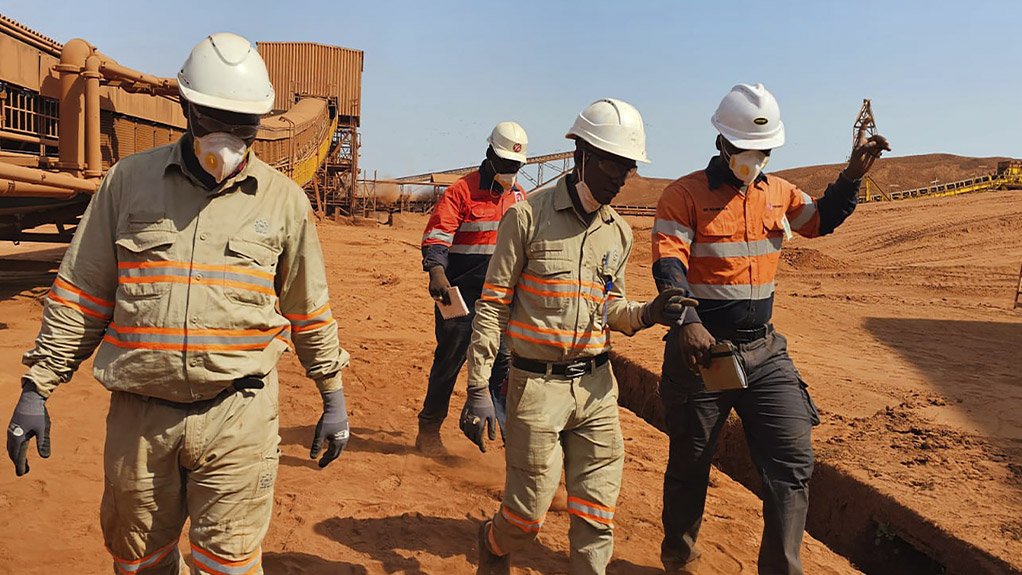
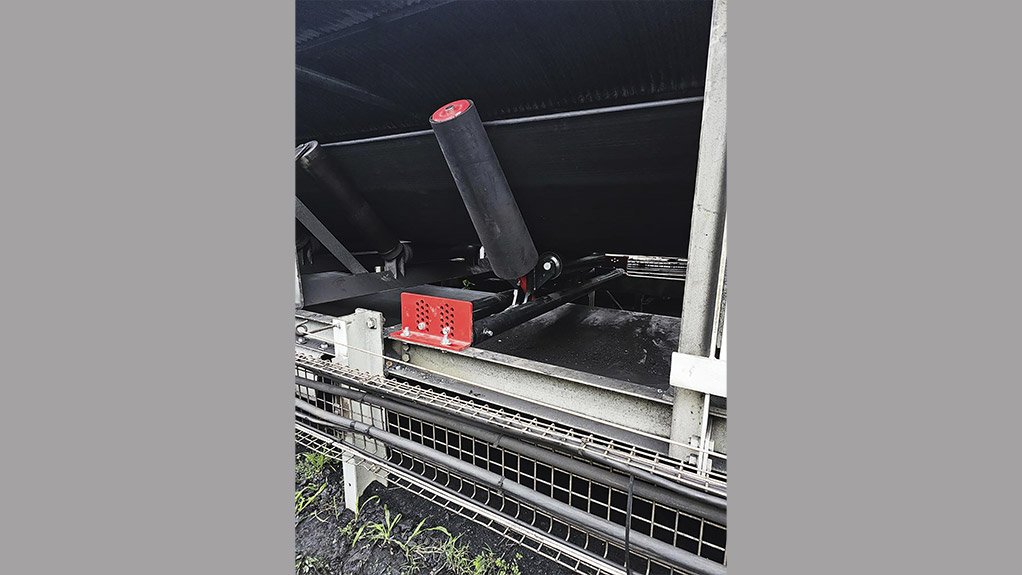
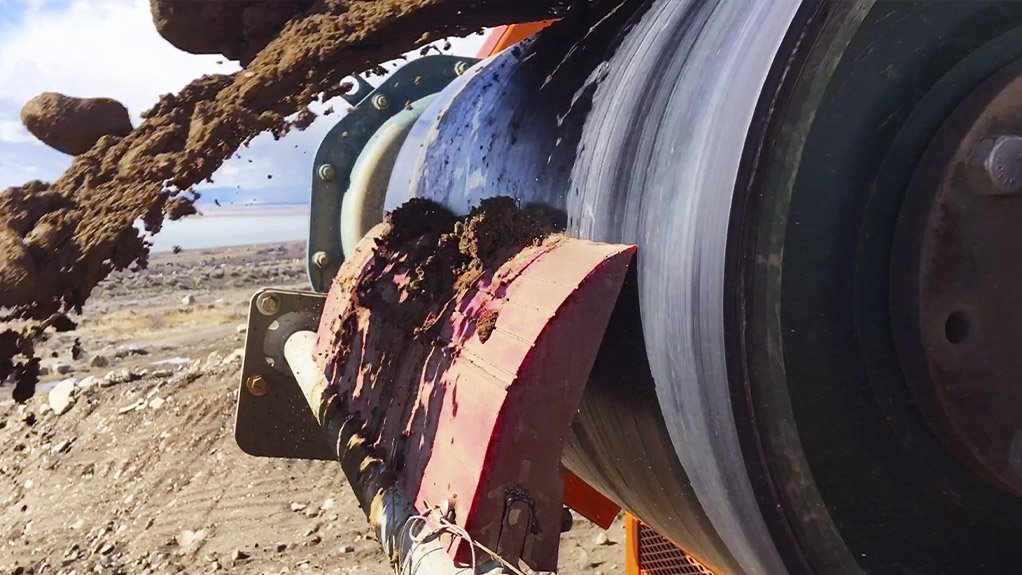
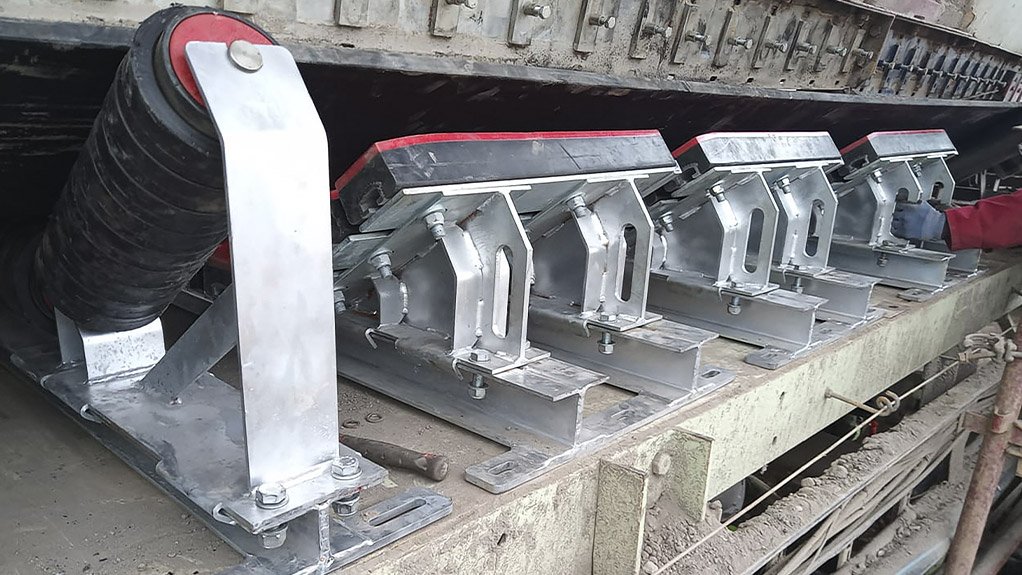
Planned maintenance starts with stable conveyor operation, where effective tracking, monitoring and condition assessment help prevent failures, reduce downtime and support predictable maintenance schedules
Engineered conveyor solutions help keep production moving by improving belt stability, reducing maintenance requirements and supporting reliable, uninterrupted material handling
Accurate belt tracking supports uptime and reliability by reducing belt damage, minimising spillage and preventing unplanned interruptions to production
Effective belt cleaning helps protect conveyor performance by reducing carryback, minimising material build-up and supporting safer, more efficient operation of the entire conveyor system
Proper load support protects the belt under demanding operating conditions by minimising impact, reducing wear and extending the service life of critical conveyor components
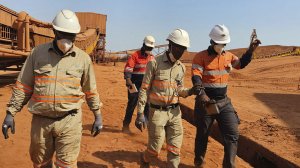


This article has been supplied.
In modern bulk materials handling operations, conveyor performance is directly linked to plant throughput, equipment availability and maintenance efficiency. As production environments place increasing pressure on uptime and tonnage movement, engineered conveyor solutions are playing a far more technical and strategic role in reducing downtime and sustaining operational continuity.
According to David Pereira, Head of Sales at Tru-Trac Rollers, conveyor downtime is seldom caused by a single component failure. More often, it is the cumulative effect of belt misalignment, uneven loading, inadequate impact absorption, carryback and accelerated wear across critical conveyor components.
“Conveyor systems must be treated as integrated engineering systems rather than isolated mechanical assets,” he notes. “A tracking issue at one transfer point, for instance, can quickly translate into edge damage, excessive idler wear, spillage and ultimately a full production stoppage.”
Belt mistracking remains one of the most technically significant causes of unscheduled shutdowns in mining, quarrying, cement and industrial processing plants. When a belt consistently runs off-centre, it creates uneven tension across the belt width, leading to premature edge fraying, structural carcass damage and increased stress on idlers, pulleys and bearings.
This misalignment also results in material spillage at transfer points and along the return side, increasing housekeeping requirements and creating secondary risks to surrounding equipment and personnel.
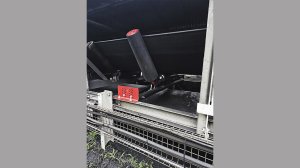
Engineered belt tracking solutions are specifically designed to respond dynamically to changes in belt position, using pivoting or actuated steering mechanisms to correct belt drift in real time. This continuous corrective action stabilises belt movement and reduces the likelihood of chronic mistracking.
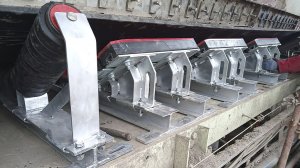
At the same time, properly engineered impact beds and load zone support systems absorb impact energy from material loading, protect the belt carcass from shock damage and maintain consistent belt profile under load. This is particularly important in high tonnage operations where large particle sizes and high drop heights can accelerate belt degradation.
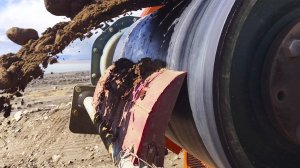
Effective scraper and carryback management systems also contribute significantly to uptime by preventing material build-up on return rollers and pulleys, which can otherwise lead to belt wander, roller seizure and pulley lagging damage.
“Downtime is often a symptom of poor flow control and inadequate conveyor support engineering,” Pereira explains. “By addressing the root causes of instability and wear, operations can significantly reduce emergency maintenance interventions.”
From a maintenance perspective, engineered conveyor solutions support a shift from reactive breakdown response to condition-based and planned maintenance strategies. By improving belt tracking accuracy, reducing wear rates and stabilising load distribution, maintenance intervals can be extended while component life cycles are improved.
This not only protects throughput but also lowers total cost of ownership by reducing belt replacement frequency, idler consumption and unplanned labour costs.
As operations continue to push for higher plant utilisation and reliability, conveyor engineering is increasingly recognised as a core contributor to overall process performance.
Article Enquiry
Email Article
Save Article
Feedback
To advertise email advertising@creamermedia.co.za or click here

Projects
Latest Multimedia

Latest News
Showroom
At Airshrink - CiP, we surpass customer expectations with innovative MV and LV cable accessories, including heat shrink joints, terminations,...
VISIT SHOWROOM
Roytec Global is an international company specializing in liquid / solid and mineral separation technologies for the Mining and Industrial sectors.
VISIT SHOWROOM

Announcements
What's On
Subscribe to improve your user experience...
Option 1 (equivalent of R125 a month):
Receive a weekly copy of Creamer Media's Engineering News & Mining Weekly magazine
(print copy for those in South Africa and e-magazine for those outside of South Africa)
Receive daily email newsletters
Access to full search results
Access archive of magazine back copies
Access to Projects in Progress
Access to ONE Research Report of your choice in PDF format
Option 2 (equivalent of R375 a month):
All benefits from Option 1
PLUS
Access to Creamer Media's Research Channel Africa for ALL Research Reports, in PDF format, on various industrial and mining sectors
including Electricity; Water; Energy Transition; Hydrogen; Roads, Rail and Ports; Coal; Gold; Platinum; Battery Metals; etc.
Already a subscriber?
Forgotten your password?
Receive weekly copy of Creamer Media's Engineering News & Mining Weekly magazine (print copy for those in South Africa and e-magazine for those outside of South Africa)
➕
Recieve daily email newsletters
➕
Access to full search results
➕
Access archive of magazine back copies
➕
Access to Projects in Progress
➕
Access to ONE Research Report of your choice in PDF format
RESEARCH CHANNEL AFRICA
R4500 (equivalent of R375 a month)
SUBSCRIBEAll benefits from Option 1
➕
Access to Creamer Media's Research Channel Africa for ALL Research Reports on various industrial and mining sectors, in PDF format, including on:
Electricity
➕
Water
➕
Energy Transition
➕
Hydrogen
➕
Roads, Rail and Ports
➕
Coal
➕
Gold
➕
Platinum
➕
Battery Metals
➕
etc.
Receive all benefits from Option 1 or Option 2 delivered to numerous people at your company
➕
Multiple User names and Passwords for simultaneous log-ins
➕
Intranet integration access to all in your organisation