East Africa – electrification succeeds when it includes all




This article has been supplied.
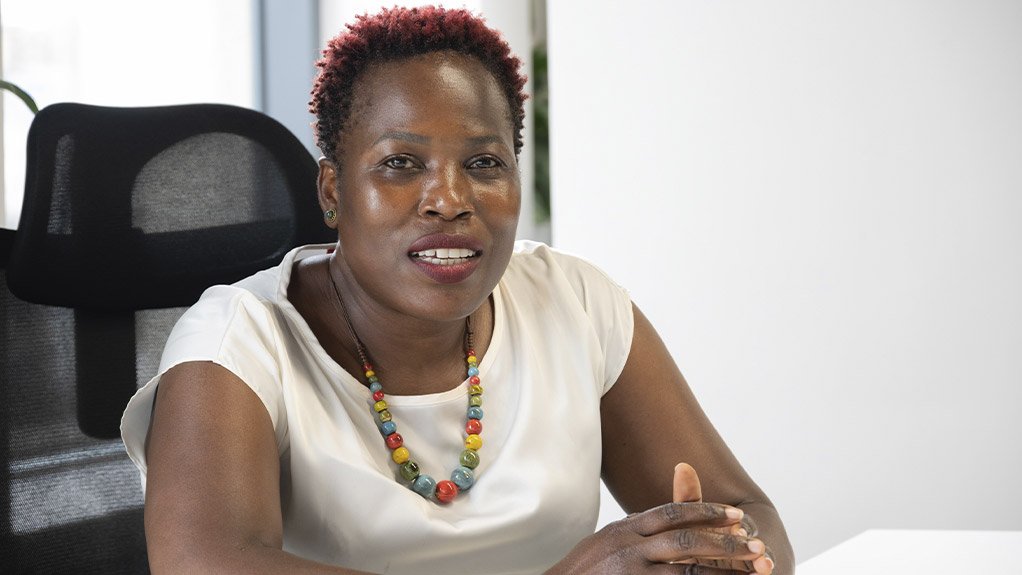
By: Symphrose Ochieng - Infrastructure Segment & Power Systems Business Leader at Schneider Electric
There is a lot to be said for a region that leads by example and East Africa’s renewable energy posture certainly fits the bill. Across the region countries are mobilising, demonstrating how renewables like geothermal, wind, hydroelectric and solar can become the true backbone of low-carbon electricity systems.
For example, in Kenya almost 90 percent, according to the IEA (International Energy Agency), of the country’s electricity generation comes from geothermal, wind and solar. Subsequently, feed-in tariffs and tax incentives have attracted billions in clean energy investment and Nairobi has become a hub for regional solar and wind developers.
It is progress at is finest, however, East Africa also faces a pressing challenge; overcoming uneven access despite its improved generation capacity. There are still millions of people rural and remote communities that experience unreliable electricity supply or remain entirely disconnected from the grid.
The reality is that in order to bridge this chasm, the planning and management of electricity delivery must be reconsidered.
Electricity networks are becoming interconnected and intelligent, evolving at such a blistering speed that static infrastructure will soon obsolete. To extend advanced electrification to all communities, policymakers, utilities, and technology providers must align investment decisions with long-term social and economic outcomes.
Indeed, infrastructure planning must deliberately include the communities that have historically been underserved.
Community involvement
Localised microgrids, decentralised renewable energy systems and community-scale electricity solutions offer a practical way to East Africa to extend reliable electricity beyond the traditional grid.
And if supported by appropriate regulatory frameworks, these systems can provide resilient power while complementing national transmission networks.
Equally important is ensuring that communities are involved from the outset. Inclusive planning and stakeholder engagement will help build local support while ensuring infrastructure investments respond to authentic community needs.
When communities are brought into the process through advocacy councils, they gain a clear understanding of what is being deployed and why it matters.
For example, the rollout of transmission or distribution lines to last‑mile communities; these projects often require land clearance or reclamation. If residents are engaged early, they will understand that the trade‑off brings tangible benefits: electricity access, improved roads, and facilities such as cold storage that support local livelihoods.
This awareness fosters acceptance and fairness. Communities see not just the immediate disruption but the long‑term value of infrastructure that connects them, strengthens local economies, and enhances quality of life.
Financing reimagined
Unfortunately, traditional infrastructure funding alone will not be sufficient to accelerate electrification across geographically dispersed communities throughout the region. Here, blended finance, local currency lending and innovative Energy-as-a-Service models can help reduce investment risk.
Importantly, it will make modern energy technologies more affordable for households, businesses and municipalities.
Furthermore, flexible payment models, including pay-as-you-go financing for decentralised solar and mini-grid solutions, can significantly improve accessibility. Again, rather than requiring substantial upfront investment, it will allow users to pay according to consumption before ultimately owning their systems.
At the same time, support from development finance institutions and regional banks can stimulate private sector participation by expanding financing in local currencies and reducing exposure to foreign exchange volatility.
Investing in East Africa’s people
Infrastructure investment is only half the story. The true enabler of long‑term success lies in people; the development of local technical expertise is therefore non-negotiable.
With a considerable amount of the current engineering force reaching retirement age, building the next generation of engineers, technicians, and operators has become critical to sustaining future electricity systems.
Vitally important is extending skills development into the very communities where new technologies are deployed. Rural and local technicians must be trained to maintain microgrids, renewable energy systems, and digital infrastructure, ensuring that projects remain operational long after installation.
The above will also create employment opportunities, strengthen local economies, and embed ownership of the energy transition within the communities it is meant to serve
The most important lesson is that electrification is most successful when technology, policy, financing and people develop together.
Article Enquiry
Email Article
Save Article
Feedback
To advertise email advertising@creamermedia.co.za or click here


Latest Multimedia

Latest News
Showroom

EIMS is an independent specialised environmental consulting firm offering the full spectrum of environmental management services across all sectors...
VISIT SHOWROOM
Design, Construction and Maintenance of Site Erected, Welded Bulk Storage Tanks for the Petrochemical, LNG, Ammonia and Sustainable fuel Sectors.
VISIT SHOWROOM

Announcements
What's On
Subscribe to improve your user experience...
Option 1 (equivalent of R125 a month):
Receive a weekly copy of Creamer Media's Engineering News & Mining Weekly magazine
(print copy for those in South Africa and e-magazine for those outside of South Africa)
Receive daily email newsletters
Access to full search results
Access archive of magazine back copies
Access to Projects in Progress
Access to ONE Research Report of your choice in PDF format
Option 2 (equivalent of R375 a month):
All benefits from Option 1
PLUS
Access to Creamer Media's Research Channel Africa for ALL Research Reports, in PDF format, on various industrial and mining sectors
including Electricity; Water; Energy Transition; Hydrogen; Roads, Rail and Ports; Coal; Gold; Platinum; Battery Metals; etc.
Already a subscriber?
Forgotten your password?
Receive weekly copy of Creamer Media's Engineering News & Mining Weekly magazine (print copy for those in South Africa and e-magazine for those outside of South Africa)
➕
Recieve daily email newsletters
➕
Access to full search results
➕
Access archive of magazine back copies
➕
Access to Projects in Progress
➕
Access to ONE Research Report of your choice in PDF format
RESEARCH CHANNEL AFRICA
R4500 (equivalent of R375 a month)
SUBSCRIBEAll benefits from Option 1
➕
Access to Creamer Media's Research Channel Africa for ALL Research Reports on various industrial and mining sectors, in PDF format, including on:
Electricity
➕
Water
➕
Energy Transition
➕
Hydrogen
➕
Roads, Rail and Ports
➕
Coal
➕
Gold
➕
Platinum
➕
Battery Metals
➕
etc.
Receive all benefits from Option 1 or Option 2 delivered to numerous people at your company
➕
Multiple User names and Passwords for simultaneous log-ins
➕
Intranet integration access to all in your organisation