Decarbonising the energies and chemical industry without the risk




Africa’s energies and chemical industry, like its peers across the world, is faced with quite the decarbonisation challenge. Stricter ESG demands, shifting investor expectations, rising energy costs, and unstable electricity supply are piling pressure on operators to cut emissions while keeping operations safe and profitable.
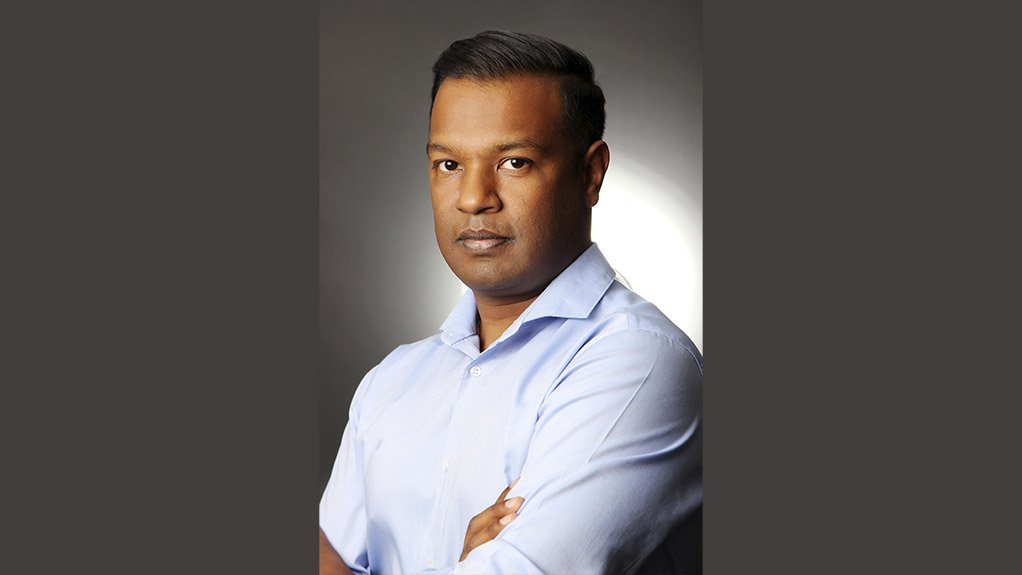
But, says Prevashen Naicker, Segment Director: Energy & Chemicals, SSA at Schneider Electric, the challenge is not whether companies should decarbonise, but how they do so without compromising production, reliability or profitability.
"Decarbonisation shouldn't be viewed as a compliance exercise but rather a structured business transformation journey that improves operational performance while reducing carbon intensity."
Sustainability and profitability can coexist
Many energies and chemical operators today continue to associate decarbonisation with costly greenfield projects or complete plant overhauls. In reality, significant gains can be achieved by improving the efficiency of existing assets.
"The first step is certainly not a forklift exercise; organisations should understand where energy is being used, where losses occur and how digital technologies can optimise what already exists, “ says Naicker.
“This is where monitoring solutions like our EcoStruxure Power Monitoring Expert has an important role to play. Operators can identify abnormal consumption, energy losses and system inefficiencies. We’ve found it can deliver energy reductions of between five and fifteen percent without making changes to production processes.
“Also, for those organisations managing ageing brownfield facilities, these efficiency improvements represent some of the quickest and lowest-risk opportunities to reduce both operating costs and carbon emissions,” he adds.
Digitalisation creates the foundation for decarbonisation
While improving energy efficiency is an important first step, Naicker believes the real transformation comes from digitising industrial operations.
Modern automation platforms, advanced process control and real-time operational visibility enable organisations to optimise production continuously rather than relying on periodic manual interventions.
"Digitalisation allows operators to make better decisions faster," he says. "Whether it's reducing flare gas, improving process yields, lowering energy intensity or implementing condition-based maintenance, better data enables better outcomes."
Schneider Electric supports this transition through integrated automation and digital platforms that modernise legacy distributed control systems (DCS), improve asset performance and reduce unplanned downtime.
Additionally, condition-based maintenance contributes to decarbonisation by identifying equipment issues before they become failures, reducing unnecessary maintenance activity while avoiding the emissions and production losses associated with unexpected shutdowns.
Building a roadmap that delivers measurable value
Today’s most successful decarbonisation programmes begin with realistic business priorities rather than ambitious technology wish lists.
“Every business exists to create value. The roadmap must begin with projects that deliver measurable operational improvements while supporting longer-term sustainability objectives,” explains Naicker.
“Rather than diverting investment solely towards future technologies, we encourage organisations to develop phased transformation roadmaps that begin with begin with low‑risk efficiency initiatives before progressing towards larger decarbonisation programmes.
“Success should be measured using clear operational indicators such as energy intensity, carbon emissions per tonne of production, operating cost savings and overall asset availability,” he explains.
A trusted partner for industrial transformation
Looking ahead, Naicker expects Africa's industrial sector to become increasingly connected, intelligent and powered by hybrid energy systems that combine grid electricity, renewable energy, battery storage and, eventually, green hydrogen.
At the same time, AI, advanced analytics and integrated automation will play an increasingly important role in helping operators optimise increasingly complex industrial environments.
Schneider Electric sees its role as helping customers bring these technologies together through an open, interoperable platform that integrates power management, industrial automation and digital services into a single operational ecosystem.
"Our goal is to help organisations decarbonise at scale without compromising safety, reliability or profitability. By taking a phased, digitally enabled approach, businesses can reduce emissions while becoming more competitive, resilient and prepared for the future,” concludes Naicker.
Article Enquiry
Email Article
Save Article
Feedback
To advertise email advertising@creamermedia.co.za or click here

Projects
Latest Multimedia
Latest News
Showroom
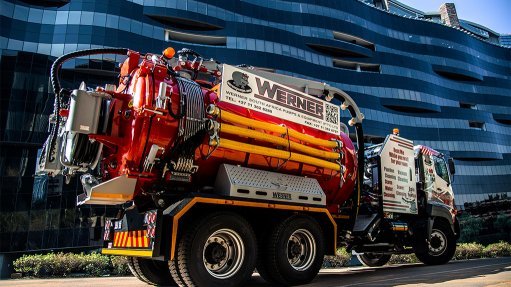
For over 30 years, Werner South Africa Pumps & Equipment (PTY) LTD has been designing, manufacturing, supplying and maintaining specialist...
VISIT SHOWROOM
Established in 1933, EKATO is the world leader in agitation technology, supplying agitators for processes and applications such as chemicals and...
VISIT SHOWROOM

Press Office
Announcements
What's On
Subscribe to improve your user experience...
Option 1 (equivalent of R125 a month):
Receive a weekly copy of Creamer Media's Engineering News & Mining Weekly magazine
(print copy for those in South Africa and e-magazine for those outside of South Africa)
Receive daily email newsletters
Access to full search results
Access archive of magazine back copies
Access to Projects in Progress
Access to ONE Research Report of your choice in PDF format
Option 2 (equivalent of R375 a month):
All benefits from Option 1
PLUS
Access to Creamer Media's Research Channel Africa for ALL Research Reports, in PDF format, on various industrial and mining sectors
including Electricity; Water; Energy Transition; Hydrogen; Roads, Rail and Ports; Coal; Gold; Platinum; Battery Metals; etc.
Already a subscriber?
Forgotten your password?
Receive weekly copy of Creamer Media's Engineering News & Mining Weekly magazine (print copy for those in South Africa and e-magazine for those outside of South Africa)
➕
Recieve daily email newsletters
➕
Access to full search results
➕
Access archive of magazine back copies
➕
Access to Projects in Progress
➕
Access to ONE Research Report of your choice in PDF format
RESEARCH CHANNEL AFRICA
R4500 (equivalent of R375 a month)
SUBSCRIBEAll benefits from Option 1
➕
Access to Creamer Media's Research Channel Africa for ALL Research Reports on various industrial and mining sectors, in PDF format, including on:
Electricity
➕
Water
➕
Energy Transition
➕
Hydrogen
➕
Roads, Rail and Ports
➕
Coal
➕
Gold
➕
Platinum
➕
Battery Metals
➕
etc.
Receive all benefits from Option 1 or Option 2 delivered to numerous people at your company
➕
Multiple User names and Passwords for simultaneous log-ins
➕
Intranet integration access to all in your organisation