Corridor challenges require sustained investment

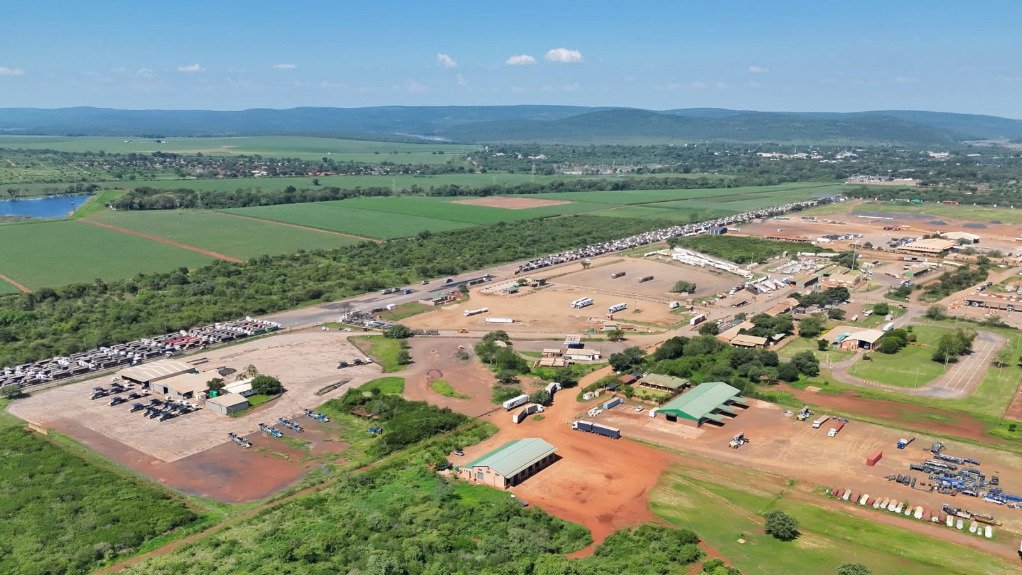
DATA COLLECTION The objective of data and information collection is to create visibility, utilisation intelligence and coordination insights that allow stakeholders to see what the system can do and identify where improvements are needed


A common theme across infrastructure and operations is the need for sustained public-sector investment, says programme management company Turner & Townsend director Marc Chunnett.
The challenges of South Africa’s freight corridors – including infrastructure constraints, operational inefficiencies and fragmented decision-making – are fundamentally interconnected; therefore, they should be viewed through a “corridor lens” rather than a “modal lens” and should be discussed collectively.
Owing to a significant portion of the road logistics industry being privately financed and funded, and the predominantly State-managed rail infrastructure and services continuing to face capacity and reliability challenges, there has been a growing imbalance between road and rail freight.
The imbalance has created pressure across the logistics system, consequently increasing costs, reducing overall corridor efficiency and constraining economic growth.
“These systemic challenges cannot be resolved through siloed interventions or by focusing on individual modes in isolation,” Chunnett adds.
“This reality reinforces the need for logistics reform as the key enabler for private-sector investment, improved operational performance and competition-driven innovation across all modes of transport,” states Turner & Townsend project director Merita Wickens.
“The single most important intervention is the establishment of a single point of coordination and leadership to drive the reform agenda, align stakeholders and accelerate implementation across the freight logistics system.”
To achieve a balance between road and rail, each mode must be used where it will deliver the greatest economic and operational value. While road logistics provides flexibility and efficiency for first- and last-mile distribution, rail remains the most effective solution for high-volume, long-distance freight movements, she elaborates.
However, a balanced corridor system must rely on the combined strengths of both modes, rather than competing in isolation. Consequently, the ongoing logistics reform programme presents an important opportunity to create the environment required to entrench such a balance.
“Increased access to rail infrastructure, greater competition among operators and a stronger focus on economic outcomes can all be seen as key contributors to a system that self-balances,” Wickens emphasises.
The ‘Missing Middle’
Chunnett and Wickens previously identified data and information as the “missing middle”, when they spoke at Big 5 Construct in June.
The objective is not simply to collect more data, but to create visibility, utilisation intelligence and coordination insights that enable stakeholders to see what the system can do, understand how it is performing and identify where improvements are needed.
Chunnett says the first step is establishing common data standards and definitions so that stakeholders are working from a consistent view of corridor performance. Then, trusted platforms that allow for the relevant information to be shared securely and transparently must be created.
Finally, the data must be translated into actionable insights that support decision-making and coordinated execution.
“These steps may appear logical and straightforward, but implementation is more complex in a fragmented multi-stakeholder environment characterised by competing commercial interests and, at times, policy priorities that inadvertently compete with each other,” he adds.
This, Wickens notes, is why clear roles and responsibilities – allowing for regulatory and legislative frameworks and appropriate governance mechanisms – are critical.
They provide the “guardrails” needed for a neutral coordinating entity to perform a central role in facilitating collaboration, building trust and driving coordinated action across the corridor system, she explains.
“Investment follows confidence, clarity and opportunity. The ongoing reform programme is already helping [to] create a more attractive environment by increasing transparency, broadening participation and providing clearer institutional and regulatory frameworks,” Chunnett avers.
Further, these developments reduce uncertainty while creating greater confidence for investors that consider long-term commitments across the logistics sector, he points out.
Chunnett and Wickens see this as a “virtuous cycle of investment”.
“Investment in traditional infrastructure, such as rail networks and rolling stock, creates opportunities for greater collaboration across supply chains. . . this improves the business case for investment in digital platforms, data capabilities, intermodal facilities and other technologies that enhance visibility, coordination and operational efficiency,” Wickens states.
These enabling technologies are increasingly critical to unlock the full value of physical infrastructure and improve end-to-end corridor performance. The objective, she notes, is not simply to invest in individual assets, but to develop an integrated logistics system that is more efficient, reliable and competitive.
Effective corridor planning, Chunnett adds, should pursue economic competitiveness, sustainability and resilience simultaneously, rather than viewing them as competing priorities.
“An integrated corridor approach enables stakeholders to evaluate trade-offs and make informed decisions that support long-term economic performance, strengthen resilience and reduce environmental impacts.”
Chunnett adds that evidence-based planning, supported by reliable data and strong information systems, is particularly important in achieving this balance.
“South Africa’s transport and logistics reform presents an opportunity to build not only a more competitive and efficient logistics system but [also] one that is increasingly resilient, adaptive and aligned with future economic, environmental and climate objectives,” he concludes.
Article Enquiry
Email Article
Save Article
Feedback
To advertise email advertising@creamermedia.co.za or click here



Latest Multimedia

Latest News
Showroom
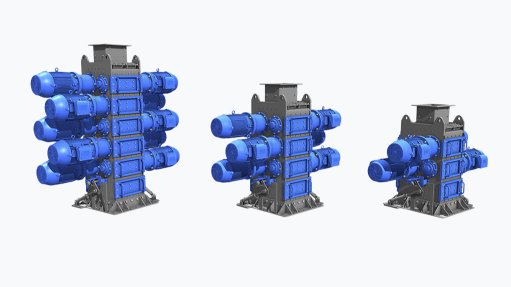
Energy and Densification Systems (EDS) has developed equipment for crushing, milling, blending and densifying products. Based on its globally...
VISIT SHOWROOM
We supply customers with practical affordable solutions for their testing needs. Our products include benchtop, portable, in-line process control...
VISIT SHOWROOM

Press Office
Announcements
What's On
Subscribe to improve your user experience...
Option 1 (equivalent of R125 a month):
Receive a weekly copy of Creamer Media's Engineering News & Mining Weekly magazine
(print copy for those in South Africa and e-magazine for those outside of South Africa)
Receive daily email newsletters
Access to full search results
Access archive of magazine back copies
Access to Projects in Progress
Access to ONE Research Report of your choice in PDF format
Option 2 (equivalent of R375 a month):
All benefits from Option 1
PLUS
Access to Creamer Media's Research Channel Africa for ALL Research Reports, in PDF format, on various industrial and mining sectors
including Electricity; Water; Energy Transition; Hydrogen; Roads, Rail and Ports; Coal; Gold; Platinum; Battery Metals; etc.
Already a subscriber?
Forgotten your password?
Receive weekly copy of Creamer Media's Engineering News & Mining Weekly magazine (print copy for those in South Africa and e-magazine for those outside of South Africa)
➕
Recieve daily email newsletters
➕
Access to full search results
➕
Access archive of magazine back copies
➕
Access to Projects in Progress
➕
Access to ONE Research Report of your choice in PDF format
RESEARCH CHANNEL AFRICA
R4500 (equivalent of R375 a month)
SUBSCRIBEAll benefits from Option 1
➕
Access to Creamer Media's Research Channel Africa for ALL Research Reports on various industrial and mining sectors, in PDF format, including on:
Electricity
➕
Water
➕
Energy Transition
➕
Hydrogen
➕
Roads, Rail and Ports
➕
Coal
➕
Gold
➕
Platinum
➕
Battery Metals
➕
etc.
Receive all benefits from Option 1 or Option 2 delivered to numerous people at your company
➕
Multiple User names and Passwords for simultaneous log-ins
➕
Intranet integration access to all in your organisation