Compliance Awareness Critical As Medium To Small Contractors Expand Into Civils Sector


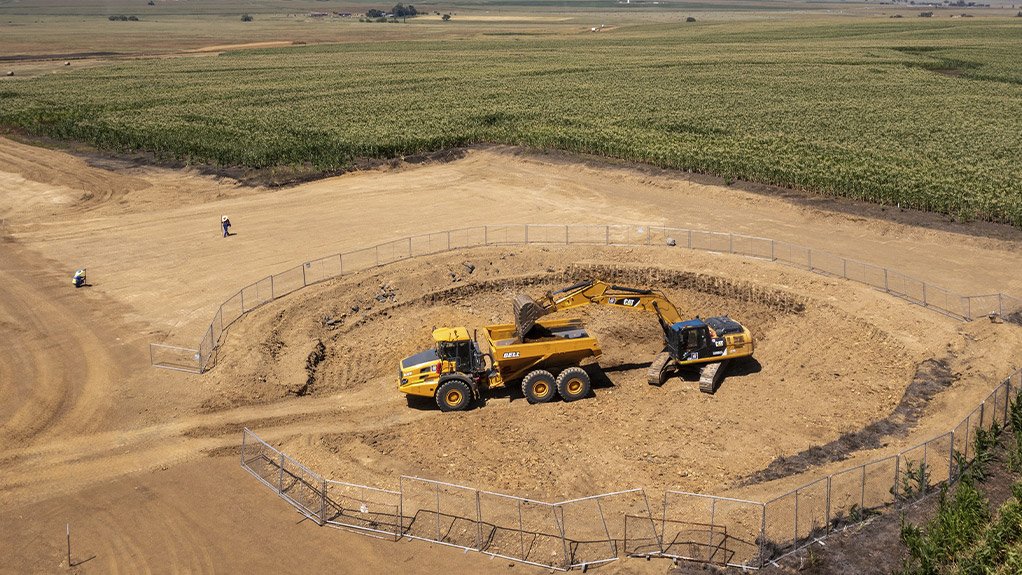
Registration with the BCCEI is determined by the nature of the work being undertaken, not the size of the contractor or project
Companies undertaking civil engineering activities at water and wastewater treatment works should ensure they understand their BCCEI compliance obligations
Early engagement with the BCCEI helps contractors understand their obligations and avoid unnecessary compliance risks
BCCEI compliance helps create fair, sustainable and legally compliant employment practices across the civil engineering industry
Any contractor performing work within the civil engineering industry scope is legally required to register with the BCCEI, regardless of business size
As infrastructure investment grows, greater awareness of BCCEI compliance requirements is essential for contractors operating in the civil engineering sector








This article has been supplied.
As infrastructure investment across South Africa increasingly shifts towards road rehabilitation, municipal wastewater upgrades and broader public infrastructure maintenance, a growing number of small to medium sized contractors are securing work in the civil engineering sector. However, many of these businesses remain unaware that the nature of the work they are performing places them squarely within the scope of the Bargaining Council for the Civil Engineering Industry (BCCEI) and its legally binding collective agreements.
According to Lindie Fourie, Operations Manager at the BCCEI, this lack of awareness is creating a significant compliance risk across the industry particularly as municipalities, water utilities and infrastructure clients accelerate the rollout of maintenance and upgrade projects involving roads, pipelines, stormwater systems, wastewater treatment works and associated civils infrastructure.
"Many contractors mistakenly believe that BCCEI registration requirements apply only to large construction companies undertaking major infrastructure projects," she explains. "In reality, any business performing work that falls within the registered scope of the civil engineering industry is legally required to register with the BCCEI and comply with the applicable collective agreements, regardless of the size of the business or the value of the contract."
She adds that this obligation also extends to companies appointed by municipalities to carry out the maintenance, repair or rehabilitation of civil engineering infrastructure. "A common misconception is that only the contractors who build infrastructure are required to register. However, businesses engaged to maintain or repair that infrastructure are equally required to register where their activities fall within the scope of the civil engineering industry."
This includes contractors involved in activities such as:
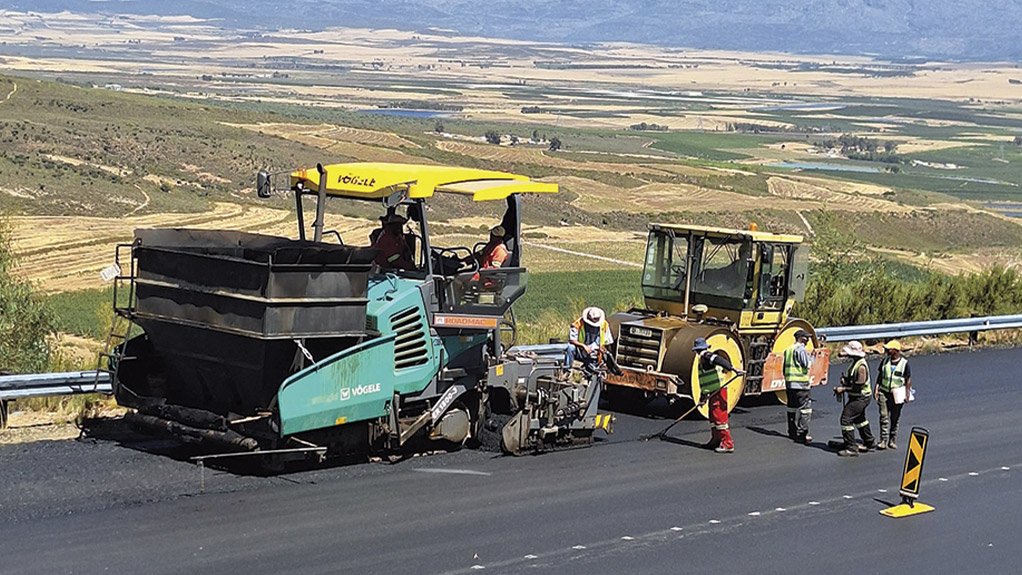
- Road rehabilitation and maintenance
- Asphalt and paving works
- Earthworks and trenching
- Pipe laying and reticulation
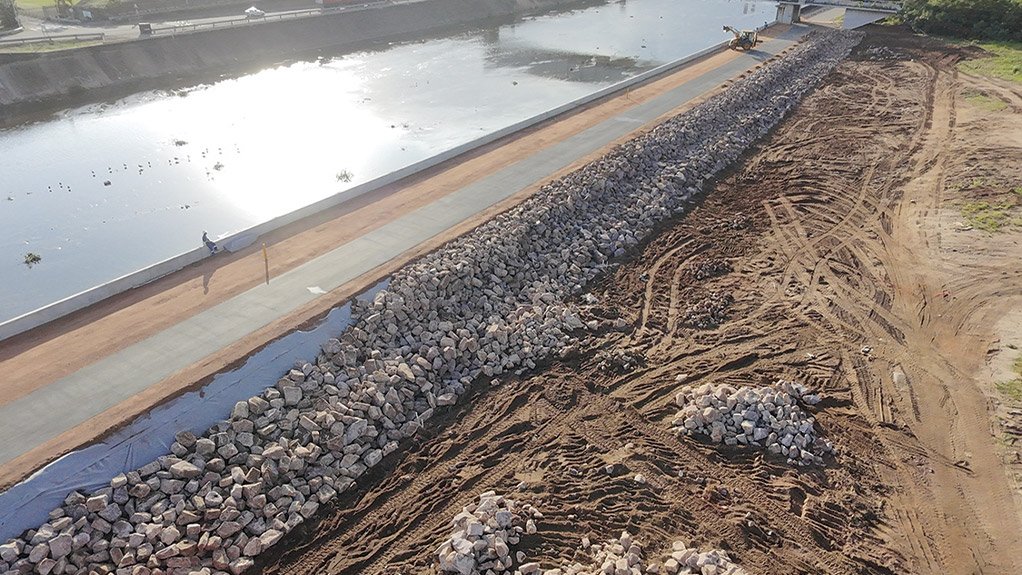
- Stormwater infrastructure
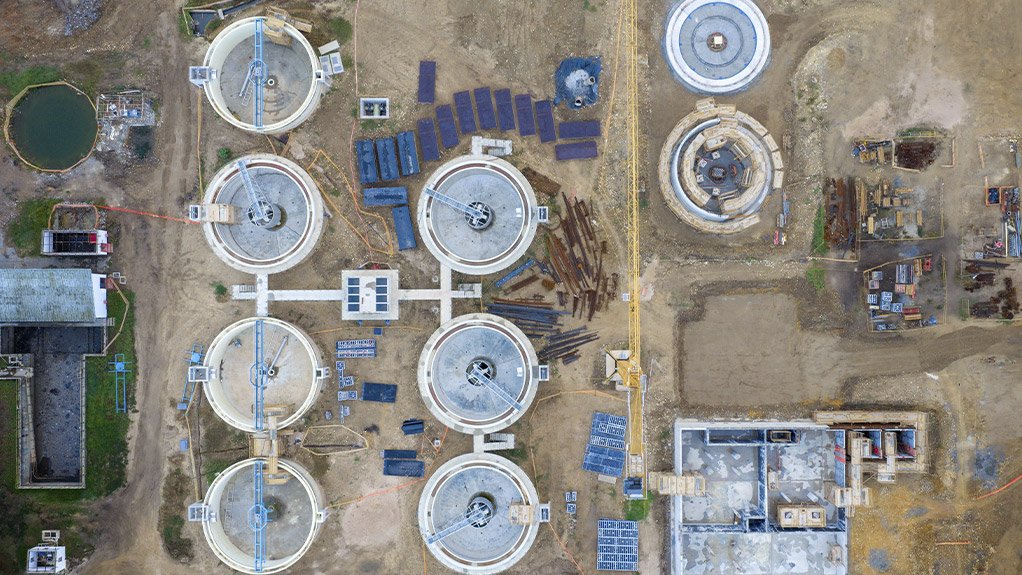
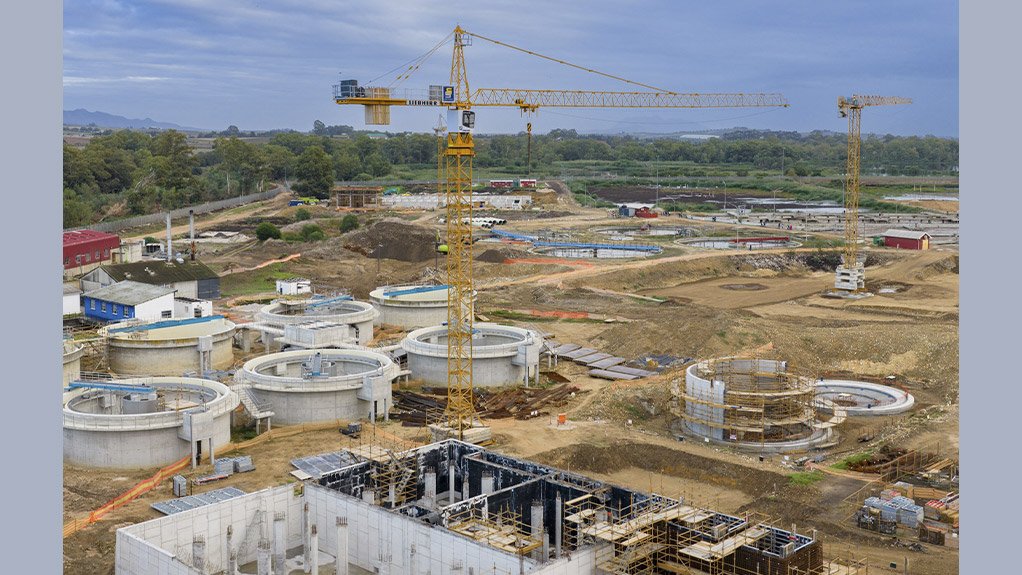
- Wastewater and sanitation infrastructure
- Bulk civils and associated construction activities
The challenge, according to Fourie, is that many emerging contractors enter the sector through subcontracting arrangements or municipal procurement opportunities without fully understanding the labour and compliance framework governing the industry.
“As infrastructure investment expands, particularly at municipal level, we are seeing more small and medium sized businesses entering the civil engineering space,” Fourie says. “Unfortunately, many of these companies are completely unaware that they are legally required to register with the BCCEI and comply with the industry’s collective agreements.”
Fourie explains that registration is determined not by the company carrying out the work or the location where it is performed but by the nature of the work itself.
“If the activities being undertaken fall within the registered scope of the civil engineering industry, then the employer is required to comply with the BCCEI framework,” she says. “This applies equally to smaller contractors undertaking roads, wastewater, pipeline or related civils work.”
The collective agreements administered by the BCCEI regulate critical employment conditions within the sector including minimum wages, working hours, leave provisions, health and safety obligations and broader labour compliance requirements designed to create fair and sustainable operating conditions across the industry.
The BCCEI warns that non-compliance - even where unintentional - can expose contractors to significant operational and financial risk. These risks may include compliance investigations, enforcement action, reputational damage and disruptions to project execution.
Importantly, Fourie emphasises that compliance should not be viewed as a barrier to growth for smaller contractors but rather as a mechanism that helps professionalise businesses, protect employees and create a level competitive environment across the sector.
“There is a misconception among some smaller businesses that compliance is complicated or only relevant to large corporations,” she says. “In reality, registration and compliance form part of building a sustainable and credible business capable of operating responsibly within the civil engineering sector.”
The increasing focus on infrastructure delivery across roads, water and sanitation sectors makes industry awareness particularly important. Government infrastructure programmes continue to prioritise the rehabilitation of ageing municipal infrastructure and in particular water and wastewater, expansion of sanitation systems and improvement of transport networks - all areas expected to generate ongoing opportunities for civil engineering contractors of varying sizes.
The BCCEI is therefore encouraging contractors, municipalities, consulting engineers and principal contractors to play an active role in improving awareness around compliance obligations within the sector.
“We believe there is a critical need for education and awareness,” Fourie concludes. “Many businesses are not deliberately avoiding compliance - they simply do not understand that the work they are performing places them within the civil engineering industry framework. Early engagement with the BCCEI can help contractors avoid future risks and ensure that they build compliant, sustainable businesses from the outset.”
Contractors uncertain about whether their activities fall within the scope of the civil engineering industry are encouraged to engage directly with the BCCEI for guidance and clarification regarding registration and compliance requirements.
Article Enquiry
Email Article
Save Article
Feedback
To advertise email advertising@creamermedia.co.za or click here


Projects


Latest Multimedia


Latest News


Showroom

AxFlow AQS Liquid Transfer (Pty) Ltd is an Importer and Distributor of Pumps in Southern Africa
VISIT SHOWROOM
For over 60 years, VEGA has provided industry-leading products for the measurement of level, density, weight and pressure. As the inventor of the...
VISIT SHOWROOM



Announcements
What's On
Subscribe to improve your user experience...
Option 1 (equivalent of R125 a month):
Receive a weekly copy of Creamer Media's Engineering News & Mining Weekly magazine
(print copy for those in South Africa and e-magazine for those outside of South Africa)
Receive daily email newsletters
Access to full search results
Access archive of magazine back copies
Access to Projects in Progress
Access to ONE Research Report of your choice in PDF format
Option 2 (equivalent of R375 a month):
All benefits from Option 1
PLUS
Access to Creamer Media's Research Channel Africa for ALL Research Reports, in PDF format, on various industrial and mining sectors
including Electricity; Water; Energy Transition; Hydrogen; Roads, Rail and Ports; Coal; Gold; Platinum; Battery Metals; etc.
Already a subscriber?
Forgotten your password?
Receive weekly copy of Creamer Media's Engineering News & Mining Weekly magazine (print copy for those in South Africa and e-magazine for those outside of South Africa)
➕
Recieve daily email newsletters
➕
Access to full search results
➕
Access archive of magazine back copies
➕
Access to Projects in Progress
➕
Access to ONE Research Report of your choice in PDF format
RESEARCH CHANNEL AFRICA
R4500 (equivalent of R375 a month)
SUBSCRIBEAll benefits from Option 1
➕
Access to Creamer Media's Research Channel Africa for ALL Research Reports on various industrial and mining sectors, in PDF format, including on:
Electricity
➕
Water
➕
Energy Transition
➕
Hydrogen
➕
Roads, Rail and Ports
➕
Coal
➕
Gold
➕
Platinum
➕
Battery Metals
➕
etc.
Receive all benefits from Option 1 or Option 2 delivered to numerous people at your company
➕
Multiple User names and Passwords for simultaneous log-ins
➕
Intranet integration access to all in your organisation