Bricking machine improves kiln maintenance

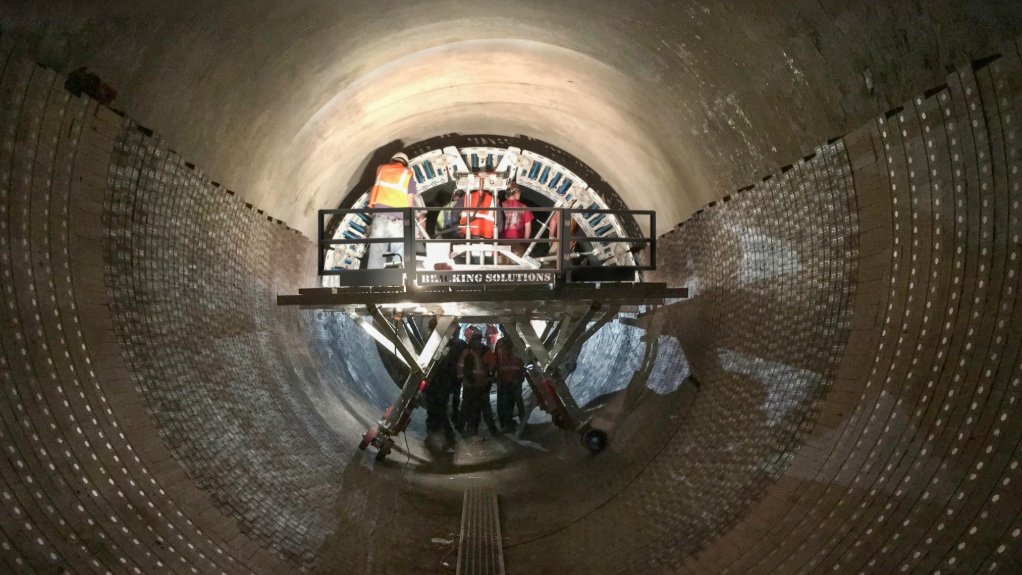
BRICKING IT The bricking machine is the ideal solution to achieve efficient kiln bricking process and proper workmanship
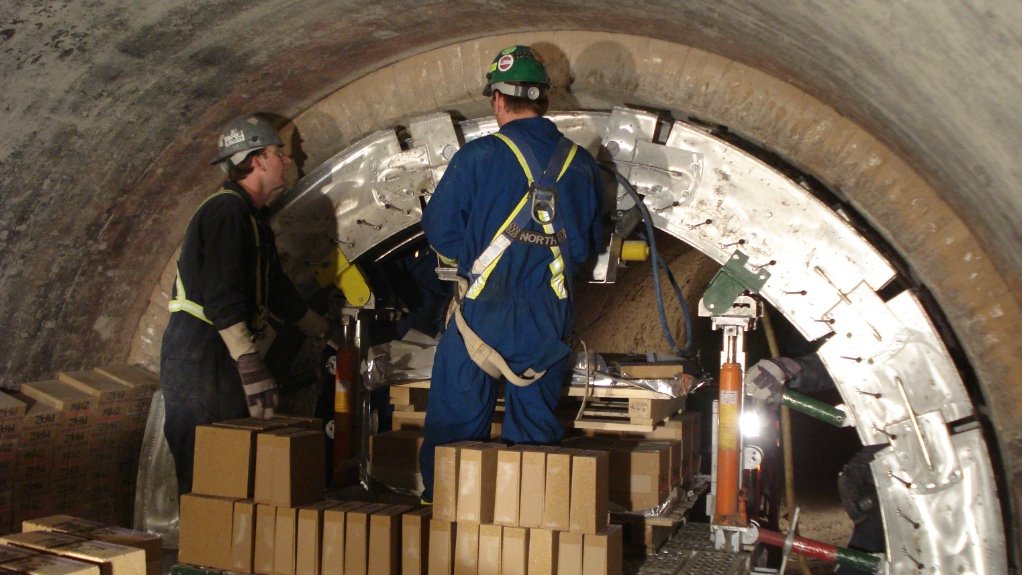
TIGHT FIT A modern bricking machine’s arches help to ensure quality control by holding each brick firmly against the kiln shell until the key brick is installed, ensuring a tight fit and reducing the risk of sagging


Reducing maintenance downtime is key to overall efficiency and a “healthy bottom line”, says bricking machine and kiln refractory maintenance company Bricking Solutions MD Jeff Mirisola.
With cement kilns, the first step to reducing downtime is efficient, high-quality brick installation. “Masons can extend kiln lining longevity and drastically reduce emergency maintenance by minimising air gaps, interlocking rings or loose bricks.”
Consequently, masons are employing bricking machines for cement kiln applications worldwide to increase maintenance efficiency. Lightweight, heavy-duty machines can also provide fast return-on-investment and extensive savings.
While the wait time while kilns cool is unavoidable, the productivity that crews can achieve once they are able to enter the kiln can make a significant difference on how long it takes to return to full operation, says Mirisola.
“The time savings begin with the type of bricking machine and setup. A bricking machine constructed with strong, lightweight, modular aluminium components requires [up to] two men to transport it into the kiln for assembly. These bricking machine models can be installed [within] 60 to 90 minutes with an experienced crew.”
Once installed, the machine offers a mobile working platform capable of supporting as many as three pallets of bricks, depending on model, the personnel and their tools. The arch is equipped with pneumatic cylinders, which are used to raise the bricks into place against the kiln shell, and it is supported by a cart and a rail system to allow the arch to move along the length of the platform scaffold.
In addition to creating bricking machines in-house, Bricking Solutions offers several models available from original-equipment manufacturers. This results in numerous options that can impact on overall productivity.
“The latest bricking machine technology incorporates double arches, [allowing for] a second ring of brick to be installed while the first ring is being keyed. This accelerates installation over not only traditional installation methods, but earlier bricking machine models. Individual cylinder controls allow single-cylinder extension as needed, speeding up installation. Once the arch is complete, actuating the master valve lowers all the cylinders at once,” Mirisola explains.
Installation Quality
With refractory issues like spiralling and twisting accounting for as much as 50% of unscheduled outages, ensuring a tight and good-quality fit is key to preventing failures, Mirisola notes.
“Refractory installation methods that require installers to rotate the kiln make it difficult to maintain radial alignment of the brickwork, a critical factor for a stable brick lining. Improperly aligned brickwork cannot uniformly absorb the pressure from vertical refractory and could prematurely fail. Rotating the kiln also leaves a large amount of unkeyed brick positioned straight up while the keying section is at the kiln’s waistline. Even if the keying is perfect, gravity will cause the unkeyed brickwork to sag, increasing the potential for catastrophic brick ring collapse.”
He notes that a modern bricking machine’s arches help to ensure quality control by holding each brick firmly against the kiln shell until the key brick is installed, ensuring a tight fit and “virtually eliminating the risk of sagging”.
A hydraulic jack holds the unkeyed ring when moving the machine’s arch system. This provides ample outward pressure for tight keying. The pneumatic cylinders are not released until the keying is complete, ensuring proper compressive forces. The master valve retracts or extends all cylinders simultaneously, allowing the arch to advance to the next row. The resulting quality of installation can extend the life of the kiln lining by as much as 25%.
Mirisola adds that the unique design features, such as cut-away sections, further increase efficiency and productivity. The cut-away section in the front arch provides both ease-of-installation and visibility, while allowing key masons an unobstructed area to place the key bricks.
“Alternate bricking machine designs don’t include an opening in the arch, requiring installers to try to find ways to reach around the arch, reducing speed of installation and, potentially, quality. The cut-away section also allows key masons to see the previously keyed ring and use it as a guideline, enabling discovery of bricking errors sooner when all pneumatic cylinders are released to check for sagging.”
He states that high-quality installation positively influences the longevity and performance of refractory linings, which, in turn, increases productivity and ensures that maintenance is completed faster.
“These advantages can end up saving an operation hundreds of thousands of dollars. Refractory maintenance is unavoidable, but an experienced crew with the right equipment can minimise scheduled downtime and virtually eliminate installation mistakes that could lead to emergency maintenance. Offering faster installation and improved brickwork quality, a bricking machine provides long-term savings on kiln maintenance applications.”
Article Enquiry
Email Article
Save Article
Feedback
To advertise email advertising@creamermedia.co.za or click here
Research Reports


Projects

Latest Multimedia
Latest News

Showroom

We at Hawk High Pressure Pumps specialise in industrial pumps and pumping systems. Our high pressure washing equipment is locally manufactured and...
VISIT SHOWROOM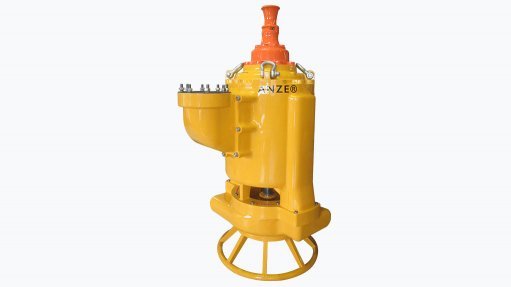
Goodwin Submersible Pumps Africa is sole distributors for Goodwin electrically driven, submersible, abrasion resistance slurry pumps.
VISIT SHOWROOM



Press Office
Announcements
What's On
Subscribe to improve your user experience...
Option 1 (equivalent of R125 a month):
Receive a weekly copy of Creamer Media's Engineering News & Mining Weekly magazine
(print copy for those in South Africa and e-magazine for those outside of South Africa)
Receive daily email newsletters
Access to full search results
Access archive of magazine back copies
Access to Projects in Progress
Access to ONE Research Report of your choice in PDF format
Option 2 (equivalent of R375 a month):
All benefits from Option 1
PLUS
Access to Creamer Media's Research Channel Africa for ALL Research Reports, in PDF format, on various industrial and mining sectors
including Electricity; Water; Energy Transition; Hydrogen; Roads, Rail and Ports; Coal; Gold; Platinum; Battery Metals; etc.
Already a subscriber?
Forgotten your password?
Receive weekly copy of Creamer Media's Engineering News & Mining Weekly magazine (print copy for those in South Africa and e-magazine for those outside of South Africa)
➕
Recieve daily email newsletters
➕
Access to full search results
➕
Access archive of magazine back copies
➕
Access to Projects in Progress
➕
Access to ONE Research Report of your choice in PDF format
RESEARCH CHANNEL AFRICA
R4500 (equivalent of R375 a month)
SUBSCRIBEAll benefits from Option 1
➕
Access to Creamer Media's Research Channel Africa for ALL Research Reports on various industrial and mining sectors, in PDF format, including on:
Electricity
➕
Water
➕
Energy Transition
➕
Hydrogen
➕
Roads, Rail and Ports
➕
Coal
➕
Gold
➕
Platinum
➕
Battery Metals
➕
etc.
Receive all benefits from Option 1 or Option 2 delivered to numerous people at your company
➕
Multiple User names and Passwords for simultaneous log-ins
➕
Intranet integration access to all in your organisation