Bird life facing headwinds

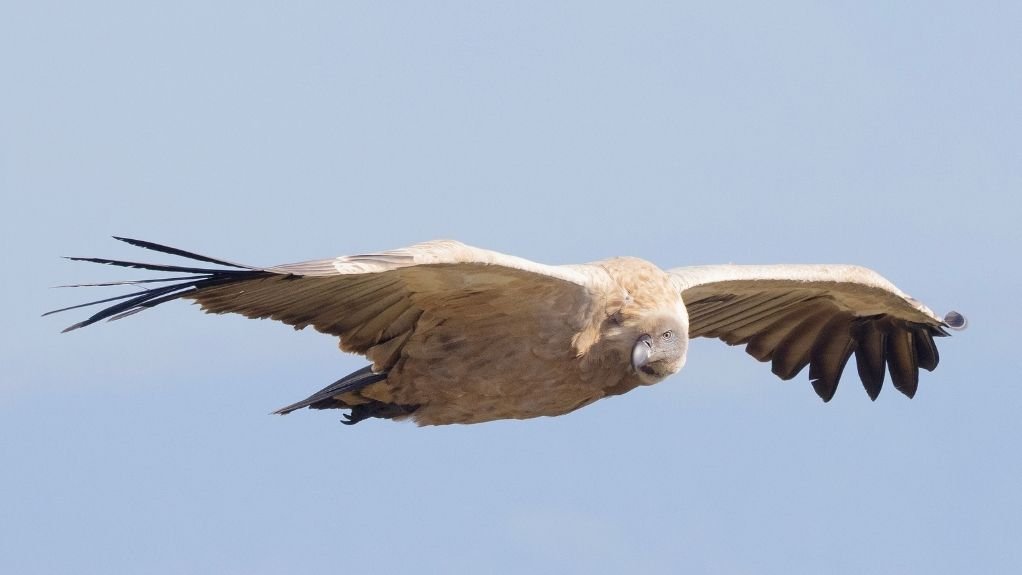
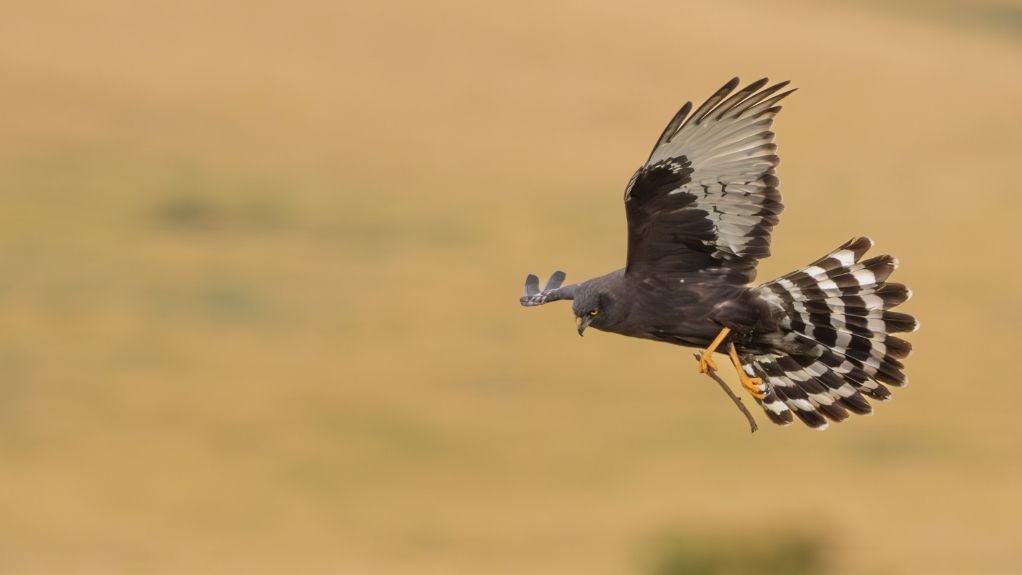
THE CAPE VULTURE BirdLife South Africa says that 10% of bird life fatalities recorded at 33 wind facilities involved species of conservation concern
WORKING TOGETHER With wind energy's continued impacts on birds, BirdLife South Africa remains committed to working with industry, government and other stakeholders to resolve these challenges


As South Africa expands its wind energy sector, more should be done to mitigate the toll on bird life, says bird conservation organisation BirdLife South Africa (SA), citing 2 444 fatalities logged at 33 facilities.
BirdLife SA, and fellow conservation organisation Endangered Wildlife Trust (EWT), say that avoiding losses requires smarter site selection, full-life monitoring and tightened regulations.
The 2 444 fatalities is a minimum estimate, reflecting carcasses found rather than an adjusted figure accounting for searcher efficiency or scavenger removal. BirdLife SA birds and renewable-energy project manager Samantha Ralston-Paton believes that actual mortality rates are much higher.
The fatality records involve 202 species, with losses attributed to collisions with turbine and power lines, among other causes.
Most importantly, the report has improved our understanding of which species are at risk of turbine collision. Concerningly, 10% of fatality records involved species of conservation concern. We expected some to be at risk, but a few, such as the black harrier and secretary bird, were unexpected. This really drives home the value of monitoring impacts, and we are grateful that most wind farms share this data with us.”
Such data demonstrates that environmental-impact assessments (EIAs) are an inexact science, Ralston-Paton adds.
According to an EWT newsletter published on June 30, 2026, 12-month preconstruction surveys are a standard part of EIAs, necessary to capture breeding, migration and seasonal weather across four seasons for wind energy facilities.
These surveys record flight heights and behaviours to inform collision-risk modelling. For power lines, preconstruction surveys comprise typically two to four seasonal visits focused on raptor nests and perching structures, as well as bustard and flamingo corridors.
Ralston-Paton recommends that for some high-risk sites, especially where one can expect interannual variation, avifaunal impact assessments draw on more than one year of pre-application data from the proposed development site.
Moreover, there have also been instances where nests of threatened species were missed in EIA studies, she says, noting that this typically occurs in instances where the area surveyed did not extend far enough into the surrounding landscape.
Ralston-Paton acknowledges the challenge of balancing the need for robust data that represents the likely conditions during the facilities’ life span against “pressure to keep costs and timeframes of EIAs down”.
Nonetheless, she advocates for increased survey efforts, especially on high-risk sites, and advises that specialists use the growing pool of research, guidelines and tools – which include habitat and collision-risk models, and recommended buffers around features such as roosts, nests, ridges and wetlands – to support siting recommendations and supplement site-specific data.
Further, BirdLife SA recommends a cautionary approach regarding the location of proposed turbines, whereby companies proactively avoid areas with a high risk of collisions, rather than implementing mitigation measures during the operational phase.
However, some developers tend to prefer the latter, relying on adaptive management to resolve impacts, which are easier to commit to “on paper” than in practice.
“We know from experience that once a wind farm is operational and causing wildlife fatalities, it is difficult and expensive to remedy. Unsurprisingly, there are several examples where BirdLife SA and/or the bird specialists’ recommendations are missed or not implemented, when the final turbine layout is decided,” explains Ralston-Paton.
There are also other challenges, as not all environmental assessment practitioners and developers are willing to invest in more robust data or adopt a precautionary approach when making siting decisions.
In one example eagles established new nests within already approved wind farm footprints, increasing the risk of collisions and cost of mitigation. Had a habitat-based approach been adopted in the EIA, the operator could have planned for this eventuality, she adds.
With wind energy’s continued impacts on birds, BirdLife SA remains committed to working with industry, government and other stakeholders to resolve these challenges, because well-sited facilities with sound mitigation measures can deliver clean energy without compromising bird populations, both being essential for South Africa's future.
Blind Spot
Wind turbines are not the only source of avian mortality, as power lines carry their own, less visible, risk, says EWT wildlife and infrastructure unit manager Oscar Mohale.
In terms of operational monitoring for smaller distribution lines in South Africa, only the power lines in low and medium sensitive areas – as per the national environmental screening tool – tend to have mandatory monitoring.
Utilities, such as State-owned power utility Eskom, inspect the hardware of power lines yearly, during which any environmental concerns are also investigated.
Additionally, Mohale states, if threatened wildlife is attracted to the power line the subsequent impact could be unrecorded.
“[Moreover], mortalities may happen in between the yearly visits and carcasses disappear within the 12 months,” he argues.
Under the EWT and Eskom Strategic Partnership, wildlife mortalities discovered during yearly inspections are used to identify hotspots for reactive mitigation, and structures that are not wildlife-friendly are identified.
Mortalities found on certain structures that are not wildlife friendly and have led to electrocution are also identified during the inspections. Wildlife mortalities tend to be lower, or eliminated, on mitigated structures and reconfigured wildlife-friendly structures in sensitive areas, Mohale concludes.
Article Enquiry
Email Article
Save Article
Feedback
To advertise email advertising@creamermedia.co.za or click here
Research Reports

Projects

Latest Multimedia
Latest News
Showroom

Roytec Global is an international company specializing in liquid / solid and mineral separation technologies for the Mining and Industrial sectors.
VISIT SHOWROOM
Rittal is a world leading provider of top-quality integrated systems for enclosures, power distribution, climate control, IT infrastructure and...
VISIT SHOWROOM


Announcements
What's On
Subscribe to improve your user experience...
Option 1 (equivalent of R125 a month):
Receive a weekly copy of Creamer Media's Engineering News & Mining Weekly magazine
(print copy for those in South Africa and e-magazine for those outside of South Africa)
Receive daily email newsletters
Access to full search results
Access archive of magazine back copies
Access to Projects in Progress
Access to ONE Research Report of your choice in PDF format
Option 2 (equivalent of R375 a month):
All benefits from Option 1
PLUS
Access to Creamer Media's Research Channel Africa for ALL Research Reports, in PDF format, on various industrial and mining sectors
including Electricity; Water; Energy Transition; Hydrogen; Roads, Rail and Ports; Coal; Gold; Platinum; Battery Metals; etc.
Already a subscriber?
Forgotten your password?
Receive weekly copy of Creamer Media's Engineering News & Mining Weekly magazine (print copy for those in South Africa and e-magazine for those outside of South Africa)
➕
Recieve daily email newsletters
➕
Access to full search results
➕
Access archive of magazine back copies
➕
Access to Projects in Progress
➕
Access to ONE Research Report of your choice in PDF format
RESEARCH CHANNEL AFRICA
R4500 (equivalent of R375 a month)
SUBSCRIBEAll benefits from Option 1
➕
Access to Creamer Media's Research Channel Africa for ALL Research Reports on various industrial and mining sectors, in PDF format, including on:
Electricity
➕
Water
➕
Energy Transition
➕
Hydrogen
➕
Roads, Rail and Ports
➕
Coal
➕
Gold
➕
Platinum
➕
Battery Metals
➕
etc.
Receive all benefits from Option 1 or Option 2 delivered to numerous people at your company
➕
Multiple User names and Passwords for simultaneous log-ins
➕
Intranet integration access to all in your organisation