Sasol’s wartime windfall revives debate over coal’s future



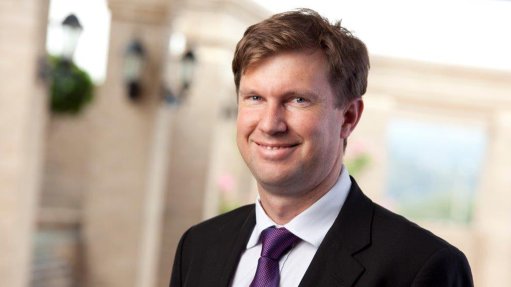
Sasol, the world’s largest producer of fuel from coal, is reaping the benefits of a surge in fuel prices due to the Iran war, while helping shield its home market of South Africa from the resulting supply shock.
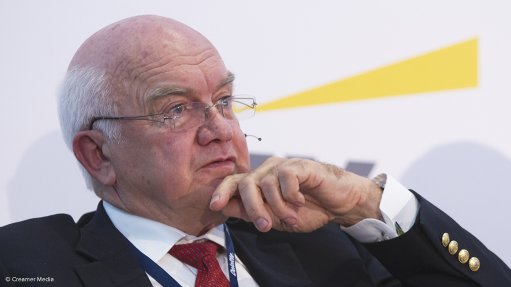
CEO Simon Baloyi has increased his focus on coal-to-liquids fuel output, along with production from its crude refinery, at an opportune time.
“Sasol continues to play a very key and meaningful role into what I will call the national security of the country,” Baloyi said in an interview in Bloomberg Johannesburg office on Tuesday. The company needs to preserve the Fischer-Tropsch process technology “to make sure that we can produce the required critical chemicals during a time like this,” he said.
The company expects to report earnings before interest, taxes, depreciation and amortization of as much as R62-billion in the year ended June 30, Sasol said in a filing on Wednesday. That compares with R52-billion in the same period a year earlier.
Sasol’s coal-to-liquids technology makes it one of South Africa’s largest greenhouse gas emitters, putting it at odds with environmental groups. Investors, however, are weighing the long-term sustainability of the business against its plan to cut emissions 30% by 2030.
Under Baloyi, the company has doubled down on its synthetic-fuels operations while seeking to lower carbon intensity by maximizing production, reducing coal used for power generation and increasing its use of renewable energy.
Sasol has built about 500 MW of renewable-energy capacity, secured more than twice that amount, and plans to procure 2 000 MW over time. The company is also pursuing carbon-offset projects, Baloyi said.
At the same time, the company’s Secunda hub increased production to the highest in five years, according to a business update last month, helping South Africa plug a gap left by fuel imports from the Middle East that are stuck in the Strait of Hormuz, along with imported oil products from the US.
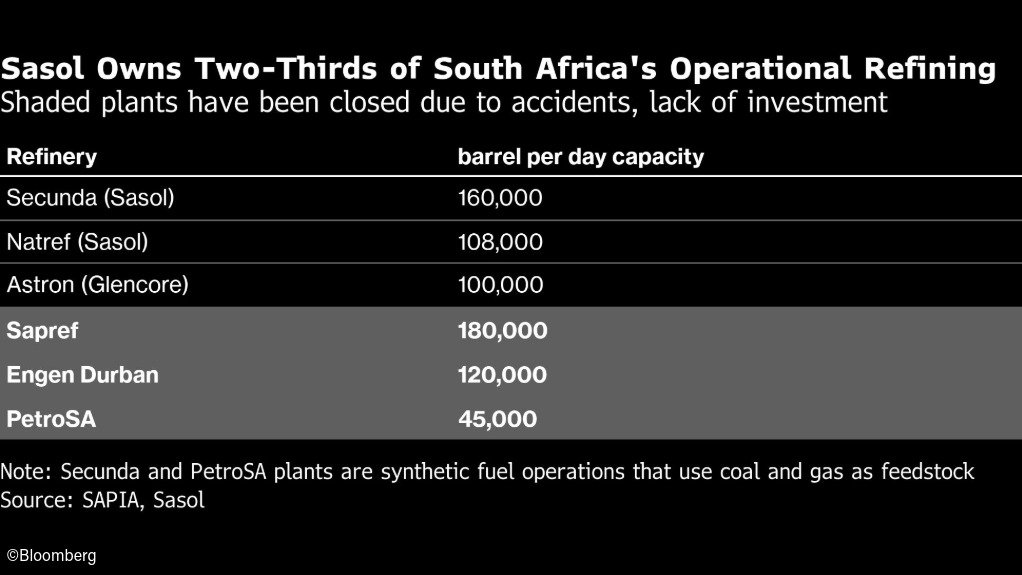
South Africa’s refining sector shrank by about half in the years before the war due to under-investment and accidents that closed plants. That’s left Sasol with nearly two-thirds of operational fuel-making capacity in the country. A unit of Glencore owns the only other working refinery.
Sasol was left with buying all the crude to run the 108 000 bbl/d Natref refinery after then-partner Prax Group went into business administration last year.
“We were fortunate because we can run all of it ourselves while refinery margins are extremely high,” Baloyi said, adding that full ownership of a refinery isn’t always beneficial. “In some instances it can be a bad thing.”
Prax’s stake is being sold in a process that is expected to conclude by the end of the year, he said.
With the war pushing oil prices beyond $100 a barrel, Sasol’s been realizing a healthy profit considering its $50 breakeven level. The conflict has also taken a toll, however. Operations at the Oryx gas-to-liquids plant in the Persian Gulf that it owns with QatarEnergy were first halted days after the start of the conflict.
Production almost resumed at one point, Baloyi said. “We were busy with startup activities, then the war flared up, then we shut down,” he said.
Article Enquiry
Email Article
Save Article
Feedback
To advertise email advertising@creamermedia.co.za or click here
Research Reports

Projects
Latest Multimedia

Latest News
Showroom

We at Hawk High Pressure Pumps specialise in industrial pumps and pumping systems. Our high pressure washing equipment is locally manufactured and...
VISIT SHOWROOM
Established on 1 March, 2000, by Barries Barnard, Advanced Fire Suppression Technologies (AFST) and the Advanced Group stands as Sub-Saharan...
VISIT SHOWROOM
Announcements
What's On
Subscribe to improve your user experience...
Option 1 (equivalent of R125 a month):
Receive a weekly copy of Creamer Media's Engineering News & Mining Weekly magazine
(print copy for those in South Africa and e-magazine for those outside of South Africa)
Receive daily email newsletters
Access to full search results
Access archive of magazine back copies
Access to Projects in Progress
Access to ONE Research Report of your choice in PDF format
Option 2 (equivalent of R375 a month):
All benefits from Option 1
PLUS
Access to Creamer Media's Research Channel Africa for ALL Research Reports, in PDF format, on various industrial and mining sectors
including Electricity; Water; Energy Transition; Hydrogen; Roads, Rail and Ports; Coal; Gold; Platinum; Battery Metals; etc.
Already a subscriber?
Forgotten your password?
Receive weekly copy of Creamer Media's Engineering News & Mining Weekly magazine (print copy for those in South Africa and e-magazine for those outside of South Africa)
➕
Recieve daily email newsletters
➕
Access to full search results
➕
Access archive of magazine back copies
➕
Access to Projects in Progress
➕
Access to ONE Research Report of your choice in PDF format
RESEARCH CHANNEL AFRICA
R4500 (equivalent of R375 a month)
SUBSCRIBEAll benefits from Option 1
➕
Access to Creamer Media's Research Channel Africa for ALL Research Reports on various industrial and mining sectors, in PDF format, including on:
Electricity
➕
Water
➕
Energy Transition
➕
Hydrogen
➕
Roads, Rail and Ports
➕
Coal
➕
Gold
➕
Platinum
➕
Battery Metals
➕
etc.
Receive all benefits from Option 1 or Option 2 delivered to numerous people at your company
➕
Multiple User names and Passwords for simultaneous log-ins
➕
Intranet integration access to all in your organisation