Mining input cost inflation slows, but risks to the outlook remain

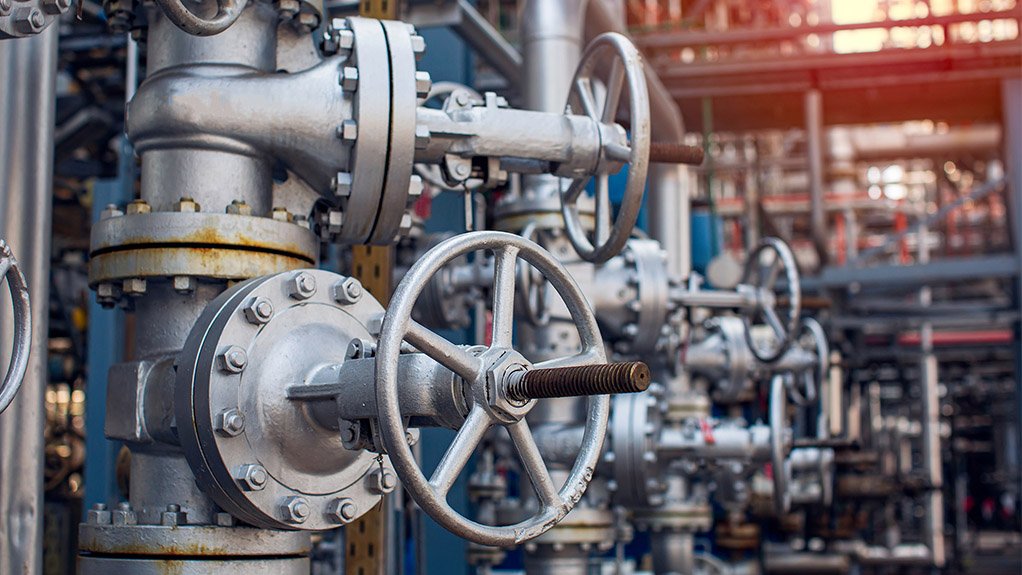



The Minerals Council South Africa says mining input cost inflation moderated further in July, reflecting a temporary easing in fuel and crude oil prices.
The council’s mining composite input (MCI) cost index slowed to 3.8% year-on-year in July, down from 4.8% in June.
Input cost pressures remained, influenced by disruptions to global energy markets arising from the conflict in the Middle East.
On an annual basis, the largest contributor to cost inflation, despite a monthly decline, was still coke and refined petroleum products, followed by other chemicals and man-made fibres.
July also marked the annual wage adjustment cycle, with labour costs increasing by 5.9% year-on-year.
While labour costs typically rank among the largest contributors to mining input cost inflation, the Minerals Council explains that the current global cost environment meant labour ranked only among the top ten cost drivers.
Coke and refined petroleum products remained the largest contributor to mining input cost inflation in July, as was the case in June. Prices increased by 24.4% year-on-year, although this represented a moderation from previous months as crude oil and fuel prices continued to ease.
Looking ahead, the index shows that fuel prices remain elevated and volatile – a bad combination for the mining sector’s long-term performance.
It explains that August saw petrol prices increase while diesel prices declined, but September brought broad-based increases across both petrol and diesel prices.
This largely reflected renewed concerns over geopolitical tensions in the Middle East, which contributed to upward pressure on global oil prices.
The conflict in the Middle East has also continued to influence chemical input costs.
The index notes that chemicals and man-made fibres recorded inflation of 21.2% year-on-year, reflecting higher feedstock costs and disruptions to petroleum-based supply chains.
The Minerals Council says products ranging from fertilisers and industrial chemicals to plastics have been affected by uncertainty surrounding oil flows through the Strait of Hormuz, one of the world's most important energy trade routes.
Additional pressure has stemmed from renewed hostilities involving the US, economic sanctions on Iran and heightened naval activity in the region.
Although the average crude oil price eased marginally to about $84/bl in July, from $84.50//bl in June, renewed tensions contributed to prices rising to about $88/bl during August.
On a monthly basis, water supply costs were the biggest driver of mining input cost inflation in July, increasing by 7.8%, as municipal water tariff adjustments came into effect.
Labour costs were the second-largest driver, rising by 5.9%, reflecting the yearly wage adjustment cycle that typically takes place in July. Electricity costs ranked as the third-largest contributor.
As noted in the previous update, the Minerals Council says this was expected, as July represented the first full calendar month under winter electricity tariffs, which remain in effect until mid-September.
Electricity costs increased by 5.5% month-on-month, following a substantial 27.8% month-on-month increase in June.
Electricity and labour remain among the largest components of overall mining input costs.
However, over the past year, the index notes that the sharp increase in coke and refined petroleum products, together with their indirect impact on chemical input costs, has been the dominant source of inflationary pressure facing the mining sector.
As a result, energy-related costs have exerted significant pressure on operating margins and profitability despite more moderate increases in other major cost categories.
July continued to reflect the combined impact of the global energy shock and domestic administered cost increases.
Commodities reliant on petroleum products, as well as those exposed to rising electricity and water tariffs, recorded some of the strongest cost increases during the month.
Across mining subsectors, input cost inflation remained elevated, with other mining and quarrying recording an increase of 4.3% year-on-year, followed by gold mining at 4.3% year-on-year and platinum group metal mining at 4.2% year-on-year.
While mining input cost inflation has continued to moderate, the index notes that the outlook remains uncertain.
The council says recent increases in global oil prices, ongoing geopolitical tensions and the persistence of higher administered costs suggest that cost pressures could remain elevated in the coming months.
As a result, the pace of further moderation will depend largely on developments in global energy markets and the extent to which domestic cost increases continue to filter through to mining operations.
Article Enquiry
Email Article
Save Article
Feedback
To advertise email advertising@creamermedia.co.za or click here

Projects
Latest Multimedia
Latest News
Showroom

TEBA is a trusted workforce solutions partner to the mining and industrial sectors, providing end-to-end SLP compliant recruitment, candidate...
VISIT SHOWROOM
Rittal is a world leading provider of top-quality integrated systems for enclosures, power distribution, climate control, IT infrastructure and...
VISIT SHOWROOM


Announcements
What's On
Subscribe to improve your user experience...
Option 1 (equivalent of R125 a month):
Receive a weekly copy of Creamer Media's Engineering News & Mining Weekly magazine
(print copy for those in South Africa and e-magazine for those outside of South Africa)
Receive daily email newsletters
Access to full search results
Access archive of magazine back copies
Access to Projects in Progress
Access to ONE Research Report of your choice in PDF format
Option 2 (equivalent of R375 a month):
All benefits from Option 1
PLUS
Access to Creamer Media's Research Channel Africa for ALL Research Reports, in PDF format, on various industrial and mining sectors
including Electricity; Water; Energy Transition; Hydrogen; Roads, Rail and Ports; Coal; Gold; Platinum; Battery Metals; etc.
Already a subscriber?
Forgotten your password?
Receive weekly copy of Creamer Media's Engineering News & Mining Weekly magazine (print copy for those in South Africa and e-magazine for those outside of South Africa)
➕
Recieve daily email newsletters
➕
Access to full search results
➕
Access archive of magazine back copies
➕
Access to Projects in Progress
➕
Access to ONE Research Report of your choice in PDF format
RESEARCH CHANNEL AFRICA
R4500 (equivalent of R375 a month)
SUBSCRIBEAll benefits from Option 1
➕
Access to Creamer Media's Research Channel Africa for ALL Research Reports on various industrial and mining sectors, in PDF format, including on:
Electricity
➕
Water
➕
Energy Transition
➕
Hydrogen
➕
Roads, Rail and Ports
➕
Coal
➕
Gold
➕
Platinum
➕
Battery Metals
➕
etc.
Receive all benefits from Option 1 or Option 2 delivered to numerous people at your company
➕
Multiple User names and Passwords for simultaneous log-ins
➕
Intranet integration access to all in your organisation