Logistics biggest threat to exports

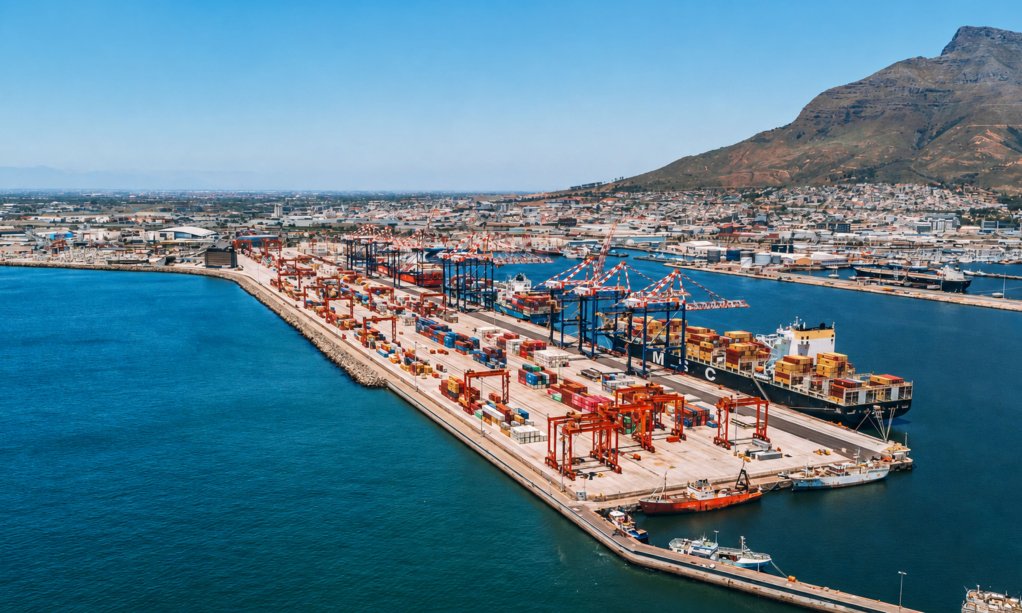
TARRIF DISADVANTAGES Even once markets open, South African exporters often struggled to compete because of limited trade agreements with key trading partners, particularly in eastern markets, resulting in tariff disadvantages compared with competing Southern Hemisphere producers



Bottlenecks remain the biggest threat to South Africa’s fresh produce export competitiveness, with industry body Fresh Produce Exporters Forum (FPEF) warning that continued port and logistic inefficiencies are placing market access, profitability and customer confidence at risk.
Fruit is accumulating across the supply chain as ports, packhouses and markets are under pressure.
“We had a joint meeting with the citrus growers, and the message is clear: The fruit is building up. The markets are not there this year, and so that’s under pressure. The logistics chain is not as efficient as it should be. It’s been a very tough year for everyone,” says FPEF CEO Piet de Jager.
Although producers are contending with increasingly unpredictable weather, including droughts, floods and extreme temperatures, farmers have adapted using climate-smart production practices such as covered production, netting, efficient irrigation systems and more resilient cultivars.
This allowed for production to continue, owing to improved technologies rather than by only expanding planted hectares, he elaborates.
Gaining access to new export markets remains a lengthy process, as negotiations on phytosanitary and pest and disease risk management requirements take time.
De Jager adds that, even when markets opened, South African exporters often struggled because of limited trade agreements with key trading partners, particularly those in Eastern markets, which resulted in tariff-related disadvantages, compared with competing southern hemisphere producers.
Non-tariff barriers, including stricter residue limits, packaging regulations and phytosanitary protocols, are also more numerous, while operating costs have risen faster than inflation.
“The strong rand over the past year or so has not helped us much because, as an export-focused industry, our returns in rand are lower, even if the dollar price hasn’t changed,” De Jager comments, adding that these pressures reduce margins throughout the value chain.
Rising diesel prices and logistics costs further increase export costs. De Jager also cites the decline of South Africa’s rail network, noting that it has left exporters heavily reliant on road transport, with these costs exacerbated by international buyers generally not absorbing higher costs.
To improve efficiency, exporters increased container payloads by optimising pallet configurations, while shipping lines were investing in larger, more energy-efficient vessels to reduce unit costs.
Cold chain investment also accelerated as exporters sought to offset logistics delays. De Jager adds that industry and government invested significantly in post-harvest innovation.
He highlights the FPEF’s partnering with the Department of Science, Technology and Innovation in the Post Harvest Innovation Programme, citing the partnership’s work with universities and research institutions on packaging, handling, storage, shelf-life improvement and non-chemical post-harvest treatments.
Private companies also invested heavily in back-of-port infrastructure, including cold storage facilities and refrigerated container plug-in points.
Digital Technology
Digital technologies have helped to improve supply chain visibility by providing real-time monitoring and early warning systems throughout the export journey. Monitoring devices inside refrigerated containers continuously track temperatures to ensure compliance with phytosanitary requirements while protecting fruit quality during transport.
Sustainability initiatives are also expanding across the value chain. De Jager notes that producers adopted more water-efficient cultivars, advanced irrigation systems and netting, while packhouses and cold storage facilities installed more energy-efficient cooling technologies and solar power systems. The industry also reduced reliance on single-use plastics in response to changing regulations, particularly in Europe.
He adds that consumer preferences also reshaped export markets, citing growing demand for healthy, premium and convenient fresh produce as a positive for exporters, while retailers are increasingly looking for predictable, data-driven supply chains supported by improved forecasting. Buyers also placed greater emphasis on varietal selection, shelf life and product innovation.
“The key message is that future competitiveness won’t just depend on growing fruit, but how well we align with changing consumer and retail trends,” he comments.
Barriers
Although the African Continental Free Trade Area presents significant growth opportunities, De Jager notes that only about 5% of South Africa’s fresh produce exports are destined for African markets, with Europe, including the UK and Russia, the Middle East and the Far East continuing to account for most of the exports.
He identifies limited cold chain infrastructure across much of the continent, foreign exchange constraints, export credit insurance challenges and periodic border closures by neighbouring countries as barriers to greater intra-African trade.
However, geopolitical disruptions, including the Middle East conflict, have reinforced the need to diversify export markets. De Jager says the fruit industry’s “GRO Strategy” focuses on: ‘Gaining access to new markets, Retaining and Optimising existing market share’, while promoting South Africa’s quality through international trade fairs and marketing campaigns in markets such as India and the Far East.
Despite increasing competition from countries, including Peru, Chile, Australia and New Zealand, as well as increased domestic production in export markets, such as China, De Jager maintains that South Africa’s product quality remains its key competitive advantage.
“Our quality is the differentiator. I still believe our quality is among the best in the world,” he concludes.
Article Enquiry
Email Article
Save Article
Feedback
To advertise email advertising@creamermedia.co.za or click here
Research Reports




Latest Multimedia
Latest News


Showroom

For over 30 years, Werner South Africa Pumps & Equipment (PTY) LTD has been designing, manufacturing, supplying and maintaining specialist...
VISIT SHOWROOM
The Beneficiation Academy is a certified training institution that follows all compliance legislation and is accredited with various Sector...
VISIT SHOWROOM


Press Office
Announcements
What's On
Subscribe to improve your user experience...
Option 1 (equivalent of R125 a month):
Receive a weekly copy of Creamer Media's Engineering News & Mining Weekly magazine
(print copy for those in South Africa and e-magazine for those outside of South Africa)
Receive daily email newsletters
Access to full search results
Access archive of magazine back copies
Access to Projects in Progress
Access to ONE Research Report of your choice in PDF format
Option 2 (equivalent of R375 a month):
All benefits from Option 1
PLUS
Access to Creamer Media's Research Channel Africa for ALL Research Reports, in PDF format, on various industrial and mining sectors
including Electricity; Water; Energy Transition; Hydrogen; Roads, Rail and Ports; Coal; Gold; Platinum; Battery Metals; etc.
Already a subscriber?
Forgotten your password?
Receive weekly copy of Creamer Media's Engineering News & Mining Weekly magazine (print copy for those in South Africa and e-magazine for those outside of South Africa)
➕
Recieve daily email newsletters
➕
Access to full search results
➕
Access archive of magazine back copies
➕
Access to Projects in Progress
➕
Access to ONE Research Report of your choice in PDF format
RESEARCH CHANNEL AFRICA
R4500 (equivalent of R375 a month)
SUBSCRIBEAll benefits from Option 1
➕
Access to Creamer Media's Research Channel Africa for ALL Research Reports on various industrial and mining sectors, in PDF format, including on:
Electricity
➕
Water
➕
Energy Transition
➕
Hydrogen
➕
Roads, Rail and Ports
➕
Coal
➕
Gold
➕
Platinum
➕
Battery Metals
➕
etc.
Receive all benefits from Option 1 or Option 2 delivered to numerous people at your company
➕
Multiple User names and Passwords for simultaneous log-ins
➕
Intranet integration access to all in your organisation