Intra-Africa trade brings with it currency risks

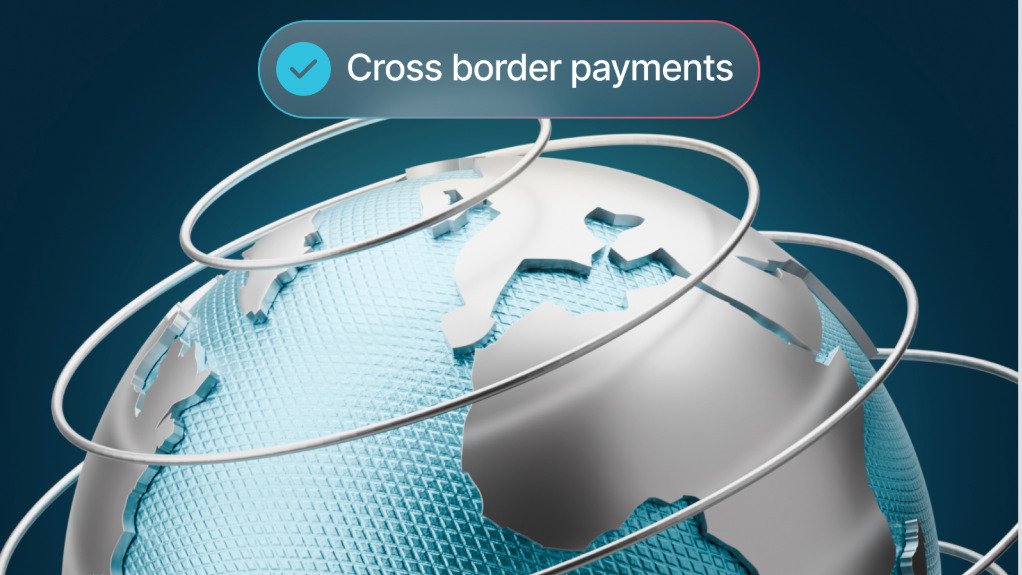
BORDER CONCERNS Cross-border transactions often involve multiple currencies, differing banking systems, and varying levels of liquidity and foreign exchange infrastructure



Africa’s evolving trade corridors are creating new financial uncertainties for business, and as trade routes shift and intra-African commerce grows, businesses are confronting new currency risks, says business-to-business (B2B) financial technology firm Verto.
Further, global trade is entering a new era of uncertainty, from shifting tariff regimes and geopolitical fragmentation to supply chain diversification and changing trade alliances, and businesses around the world are increasingly forced to rethink where and how they trade.
For African businesses, these shifts are creating new opportunities, says Verto revenue head James Booth.
Verto offers access to “comprehensive” cross-border payment, foreign exchange (FX) and banking solutions for enterprises “of all sizes”.
Through its purpose-built technological infrastructure and payment network, businesses can send and receive funds in over 190 countries and convert between 48 currencies.
Booth says that, as supply chains diversify and regional trade accelerates, many companies are expanding beyond traditional trade routes, but this creates increased complexity, particularly concerning cross- border transactions and currency exposure management.
While much of the conversation around global trade disruption has focused on logistics resilience, sourcing strategies and supply chain diversification, FX risk is emerging as an increasingly important and often underestimated pressure point, he notes.
Booth adds that businesses trading across Africa are increasingly operating in a more fragmented and financially complex environment, because businesses are trading across more corridors, working with new suppliers and entering new markets, introducing financial risks that many companies are still learning to manage.
For businesses trading between markets such as Nairobi and Lagos, or Accra and Johannesburg, cross-border transactions often involve multiple currencies, differing banking systems, and varying levels of liquidity and FX infrastructure.
“Unlike more established trade routes, businesses operating across emerging corridors may face less predictable exchange- rate environments and fewer sophisticated hedging options.”
Further, volatility across both African and global currencies is making the cost of international trade harder to predict.
In sectors where margins are already under pressure, the consequences can be significant.
Verto analysis has shown that relatively modest currency movements during shipment transit can materially affect profitability. In some sectors, a 3% to 5% currency movement can eliminate the full profit margin on a shipment, particularly where operating margins sit between 5% and 10%.
Businesses moving goods internationally may also remain exposed to currency fluctuations for 30 to 60 days while shipments are in transit, leaving them vulnerable to sudden exchange-rate changes between procurement and final payment.
The pressure may be particularly acute for small to medium-sized enterprises trading across borders, where tighter margins and more limited access to sophisticated treasury tools can make businesses especially vulnerable to currency swings and unexpected cost increases.
For many businesses, currency risk is not only driven by market volatility, but by how long money takes to move.
Slow settlement times and fragmented payment systems can extend exposure windows, increasing the likelihood that businesses absorb higher costs owing to unfavourable exchange-rate movements.
“What we’re increasingly seeing is businesses becoming far more deliberate about where and how they trade. As trade patterns continue to shift, businesses that build financial resilience alongside trade expansion are likely to be better positioned to navigate a more fragmented global economy,” concludes Booth.
Article Enquiry
Email Article
Save Article
Feedback
To advertise email advertising@creamermedia.co.za or click here


Projects


Latest Multimedia


Latest News


Showroom
ALBIS FLANGES — founded in 1965 — is a petro-chemical approved manufacturer of flanges and fittings in most grades of steel, listed with Sasol,...
VISIT SHOWROOM
SmartMine IoT has been developed with the mining industry in mind, to provides our customers with powerful business intelligence and data modelling...
VISIT SHOWROOM


Announcements
What's On
Subscribe to improve your user experience...
Option 1 (equivalent of R125 a month):
Receive a weekly copy of Creamer Media's Engineering News & Mining Weekly magazine
(print copy for those in South Africa and e-magazine for those outside of South Africa)
Receive daily email newsletters
Access to full search results
Access archive of magazine back copies
Access to Projects in Progress
Access to ONE Research Report of your choice in PDF format
Option 2 (equivalent of R375 a month):
All benefits from Option 1
PLUS
Access to Creamer Media's Research Channel Africa for ALL Research Reports, in PDF format, on various industrial and mining sectors
including Electricity; Water; Energy Transition; Hydrogen; Roads, Rail and Ports; Coal; Gold; Platinum; Battery Metals; etc.
Already a subscriber?
Forgotten your password?
Receive weekly copy of Creamer Media's Engineering News & Mining Weekly magazine (print copy for those in South Africa and e-magazine for those outside of South Africa)
➕
Recieve daily email newsletters
➕
Access to full search results
➕
Access archive of magazine back copies
➕
Access to Projects in Progress
➕
Access to ONE Research Report of your choice in PDF format
RESEARCH CHANNEL AFRICA
R4500 (equivalent of R375 a month)
SUBSCRIBEAll benefits from Option 1
➕
Access to Creamer Media's Research Channel Africa for ALL Research Reports on various industrial and mining sectors, in PDF format, including on:
Electricity
➕
Water
➕
Energy Transition
➕
Hydrogen
➕
Roads, Rail and Ports
➕
Coal
➕
Gold
➕
Platinum
➕
Battery Metals
➕
etc.
Receive all benefits from Option 1 or Option 2 delivered to numerous people at your company
➕
Multiple User names and Passwords for simultaneous log-ins
➕
Intranet integration access to all in your organisation