Integrated workflow improves blasting

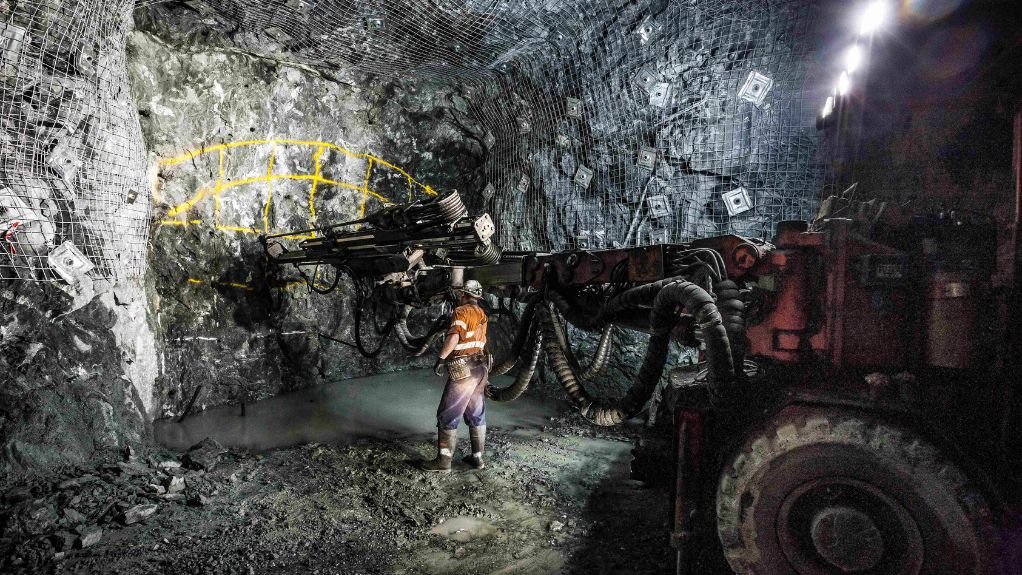
DESIGN COMPARISON By using digital platforms to capture information throughout the blasting cycle, including blast design parameters, drilling accuracy, charging records and initiation sequences, engineers are able to compare planned designs with actual field conditions
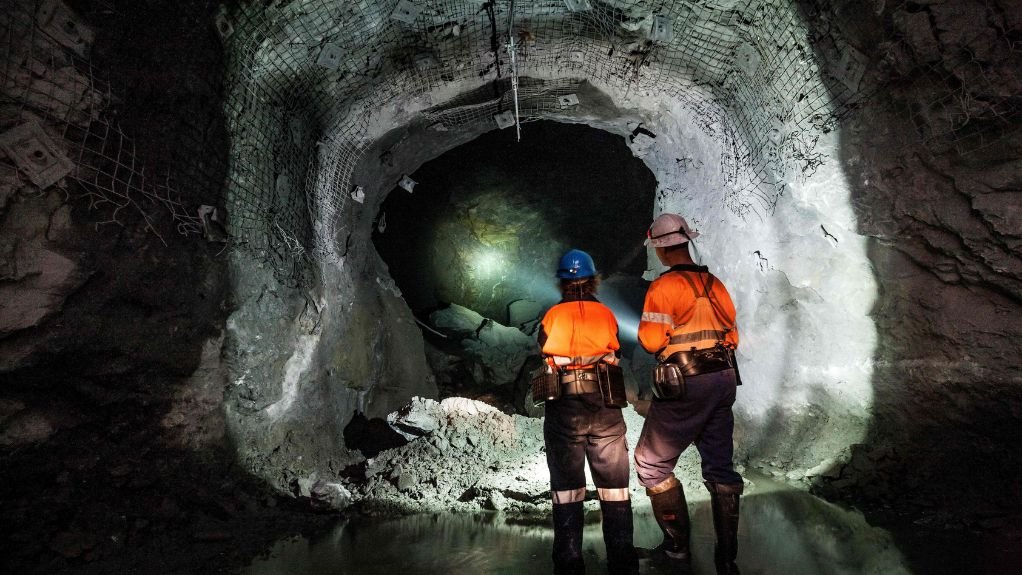
GEOLOGICAL OPTIMISATION Using a digital blast design, a blast can be optimised for geological conditions, with precision charging delivering the correct amount of explosive product into each blasthole


Unlike traditional blasting practices where individual activities are often managed independently, an integrated workflow ensures that planning, execution and performance evaluation are fully connected, says mining explosives and blasting technology supplier BME technology and marketing GM Nishen Hariparsad.
“Integrating blast design, charging, initiation and performance monitoring creates a continuous workflow in which every stage of the blasting process supports the next,” he says.
A digital blast design ensures that the blast is optimised for the geological conditions, while precision charging delivers the correct amount of explosive energy into every blasthole, adds Hariparsad.
In addition, electronic initiation executes the blast “exactly as designed”, while performance monitoring provides the operational data needed to execute the results.
By linking these activities into one closed-loop process, mines achieve more consistent energy distribution in the rock mass, reducing variability in the blast performance.
“This leads to improved fragmentation, better excavation control, reduced overbreak and dilution, higher advance rates and more predictable downstream operations,” elaborates Hariparsad.
This further results in greater operational efficiency, lower operating costs and continuous improvement through data-driven optimisation.
While specific performance metrics vary between operations, customers who implement an integrated blasting approach benefit from improved safety, operational efficiency and cost control across the mining value chain.
“By combining digital blast design, precision charging, electronic detonators and cleaner emulsion technologies, mines achieve more accurate blast execution, better control of explosive placement, improved fragmentation and more consistent blasting outcomes,” he states.
This integrated approach enhances supply security and operational reliability, enabling mines to operate more safely, efficiently and sustainably, in addition to delivering fit-for-purpose blasting solutions tailored to their specific requirements.
Improved Performance
To improve blast performance, electronic initiation systems deliver millisecond-level timing precision that enables every blasthole to detonate exactly when intended, says BME underground operations regional manager Derrick Menezes.
“This precise sequencing reduces timing scatter and improves the way stress waves interact within the rock mass. The outcome is a more uniform energy release, better fragmentation and lower vibration levels,” he says.
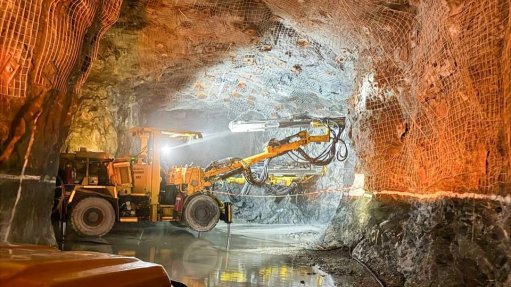
In underground mining, where excavations are confined and tolerances are much tighter, this level of control is essential for achieving effective burden relief, reducing backbreak and overbreak, while maintaining excavation stability.
When integrated with digital blast design platforms and precision charging technologies, electronic initiation systems ensure that blasts are executed as designed while generating consistent, predictable outcomes. This results in improved excavation quality, enhanced safety, greater operational efficiency and more reliable downstream performance throughout the mining cycle.
Digital platforms – such as BME’s surface and underground blast planning, design and analysis software BlastMap – capture information throughout the blasting cycle, including blast design parameters, drilling accuracy, charging records and initiation sequences, consequently enabling engineers to compare planned designs with actual field conditions.
Additionally, electronic initiation systems generate detailed firing logs that can be correlated with fragmentation results, blast movement and vibration measurements. When combined with advanced analytics, this enables engineers to objectively evaluate performance indicators such as peak particle velocity, energy efficiency and burden response, says Menezes.
“Underground blasting will become increasingly connected, automated and data driven. Rather than managing individual blasting activities separately, mines will adopt fully integrated, closed-loop workflows in which blast design, charging, initiation, execution and performance analysis continuously inform one another,” highlights Hariparsad.
Every blast will further generate data that will be used to optimise the next blasting activity, steadily improving safety, productivity and operational consistency, he adds.
Menezes adds that one of the greatest advantages of mechanised charging systems is the reduction of personnel exposure to hazardous underground environments.
As bulk emulsion explosives are sensitised close to the point of use, as a result of being delivered through mobile charging units, the need for operators to manually handle explosives or spend extended periods at the rock face is reduced.
These automated emulsion charging units enhance safety and productivity by measuring the actual depth of every blasthole and automatically calculate the correct explosive charge required. This standardises explosive loading, improves charging accuracy and reduces the risk of human error while ensuring consistent blast quality.
“When combined with digital blast planning and electronic initiation systems, mechanised charging forms part of an integrated blasting workflow. It reduces manual intervention, improves process consistency and enables mines to maintain high production rates while strengthening overall safety performance,” says Menezes.
Hariparsad adds that digital platforms and electronic initiation systems will provide real-time visibility into blast performance, vibration, energy distribution and environmental impact.
Further, when combined with advanced analytics, this information enables for increasingly predictive decision-making, consequently enabling engineers to optimise blast performance before issues affect production.
Structured, auditable operational data will also strengthen regulatory compliance and environmental, social and governance reporting by linking blast design, execution and outcomes into a verifiable performance chain.
“The future of underground blasting lies in this combination of precision engineering, automation and continuous digital optimisation, enabling safer, more efficient and more sustainable underground mining operations,” concludes Hariparsad.
Article Enquiry
Email Article
Save Article
Feedback
To advertise email advertising@creamermedia.co.za or click here
Research Reports
Projects

Latest Multimedia
Latest News
Showroom

We at Hawk High Pressure Pumps specialise in industrial pumps and pumping systems. Our high pressure washing equipment is locally manufactured and...
VISIT SHOWROOM
Rittal is a world leading provider of top-quality integrated systems for enclosures, power distribution, climate control, IT infrastructure and...
VISIT SHOWROOM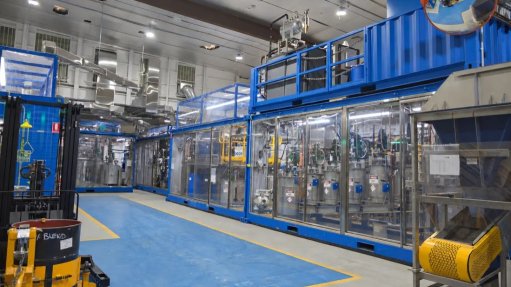


Announcements
What's On
Subscribe to improve your user experience...
Option 1 (equivalent of R125 a month):
Receive a weekly copy of Creamer Media's Engineering News & Mining Weekly magazine
(print copy for those in South Africa and e-magazine for those outside of South Africa)
Receive daily email newsletters
Access to full search results
Access archive of magazine back copies
Access to Projects in Progress
Access to ONE Research Report of your choice in PDF format
Option 2 (equivalent of R375 a month):
All benefits from Option 1
PLUS
Access to Creamer Media's Research Channel Africa for ALL Research Reports, in PDF format, on various industrial and mining sectors
including Electricity; Water; Energy Transition; Hydrogen; Roads, Rail and Ports; Coal; Gold; Platinum; Battery Metals; etc.
Already a subscriber?
Forgotten your password?
Receive weekly copy of Creamer Media's Engineering News & Mining Weekly magazine (print copy for those in South Africa and e-magazine for those outside of South Africa)
➕
Recieve daily email newsletters
➕
Access to full search results
➕
Access archive of magazine back copies
➕
Access to Projects in Progress
➕
Access to ONE Research Report of your choice in PDF format
RESEARCH CHANNEL AFRICA
R4500 (equivalent of R375 a month)
SUBSCRIBEAll benefits from Option 1
➕
Access to Creamer Media's Research Channel Africa for ALL Research Reports on various industrial and mining sectors, in PDF format, including on:
Electricity
➕
Water
➕
Energy Transition
➕
Hydrogen
➕
Roads, Rail and Ports
➕
Coal
➕
Gold
➕
Platinum
➕
Battery Metals
➕
etc.
Receive all benefits from Option 1 or Option 2 delivered to numerous people at your company
➕
Multiple User names and Passwords for simultaneous log-ins
➕
Intranet integration access to all in your organisation