How to Tell Whether Your Mini-Substation Is Truly New or Refurbished

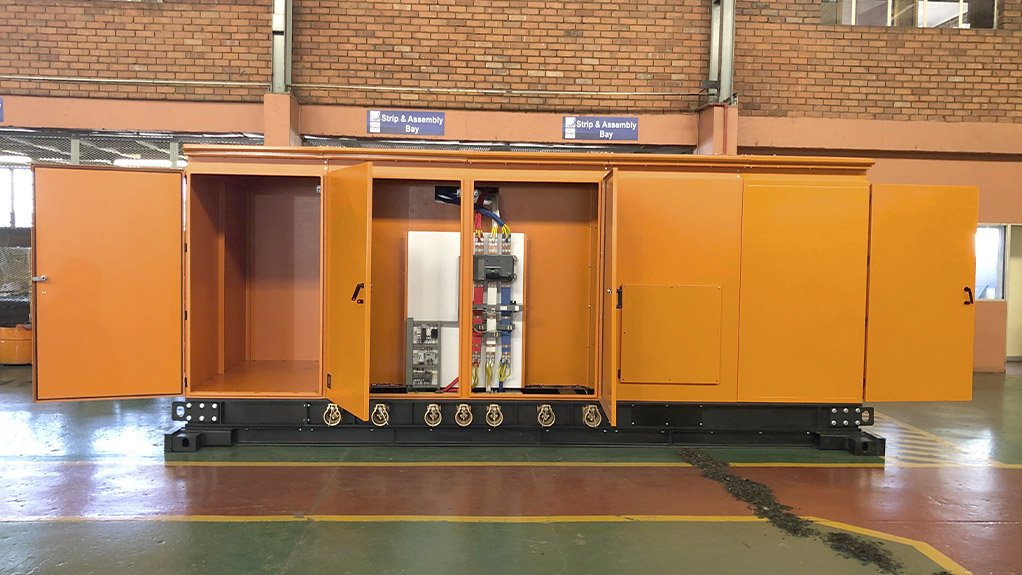
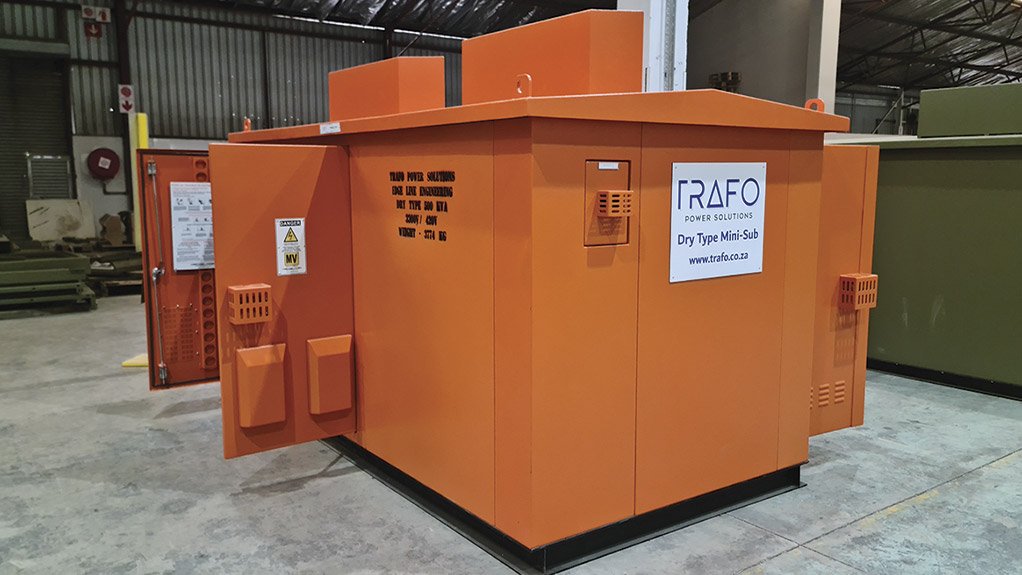
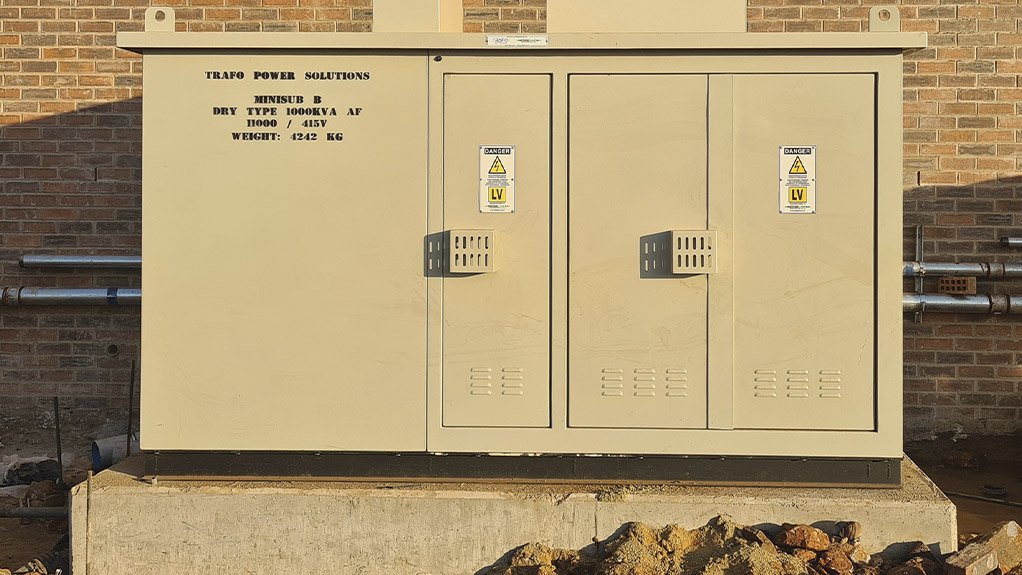
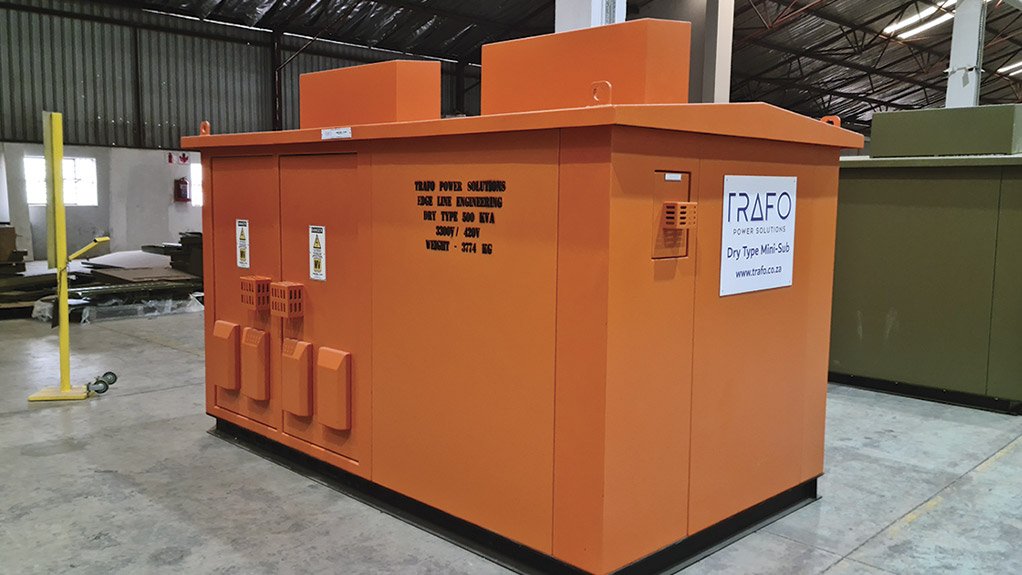
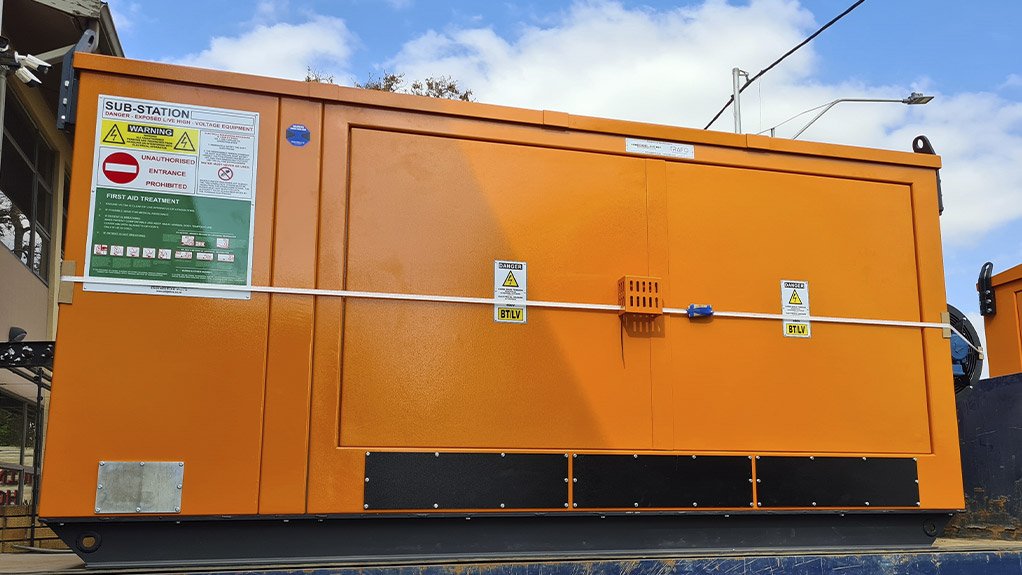
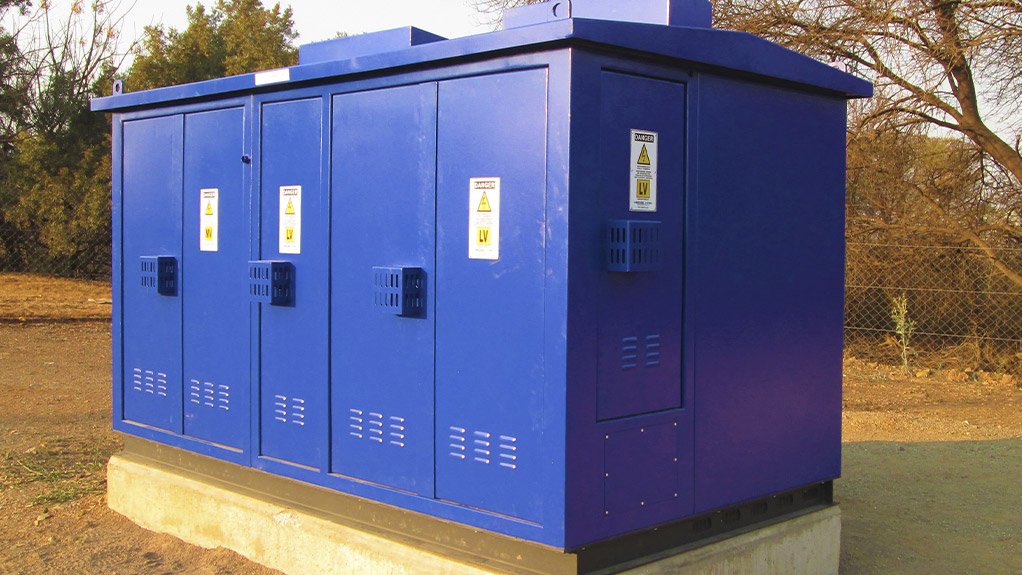
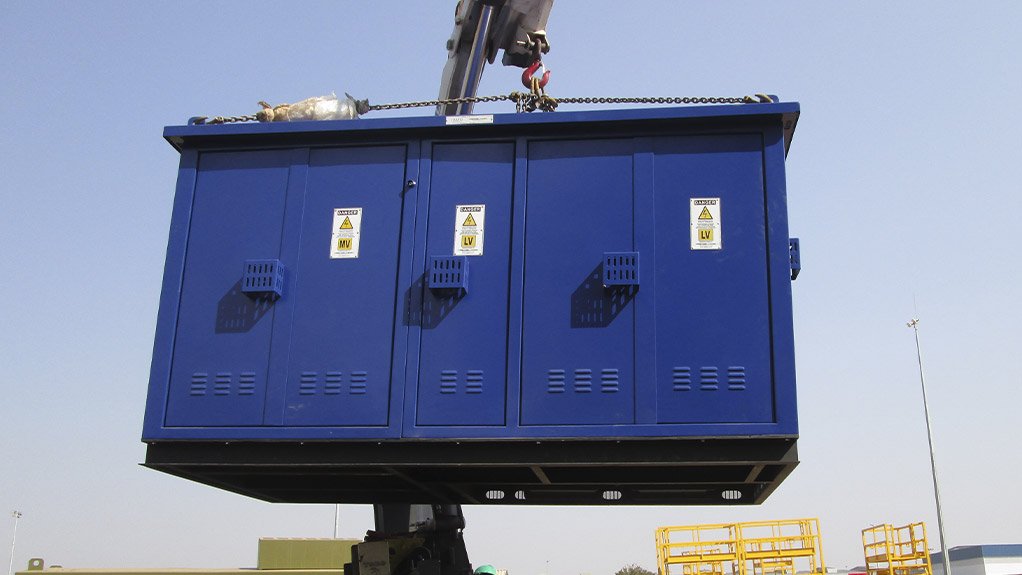
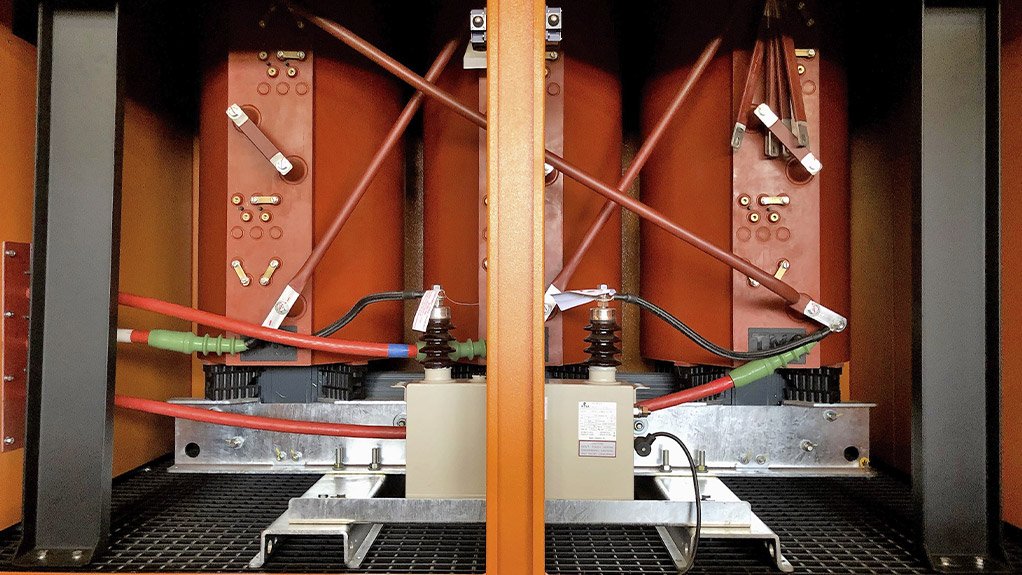
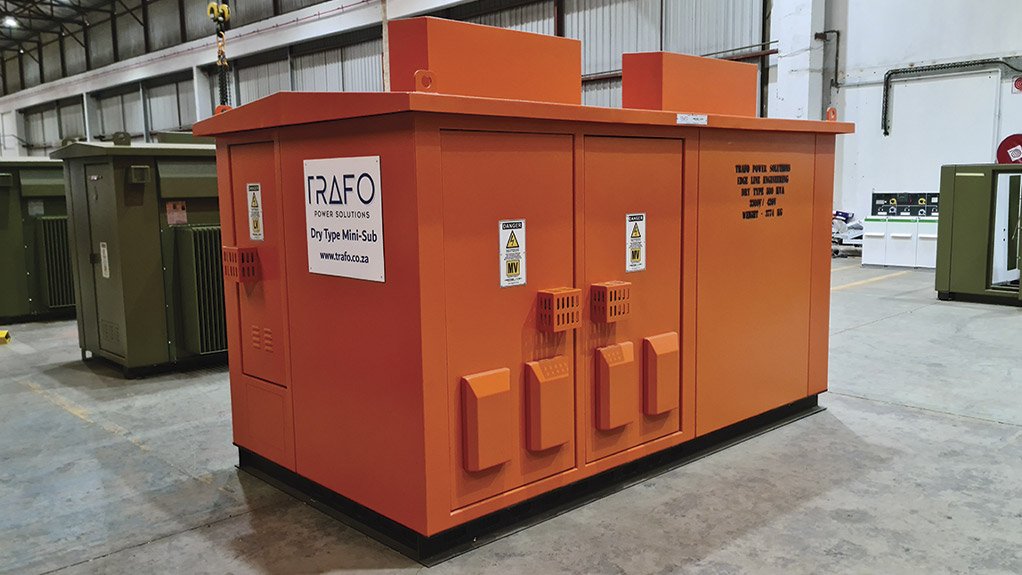
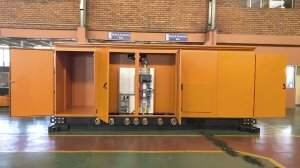
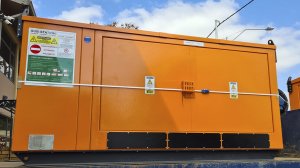
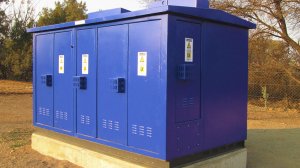
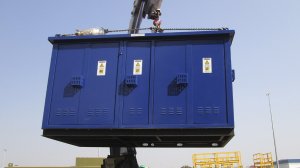
A 1250 kVA dry-type mini-substation designed for reliable power distribution in demanding underground mining applications
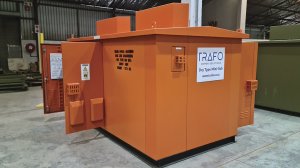
A dry-type mini-substation engineered to deliver reliable performance in environments with ambient temperatures of up to 50°C
A dry-type mini-substation designed to provide safe, reliable and efficient power distribution for demanding surface mining and industrial applications
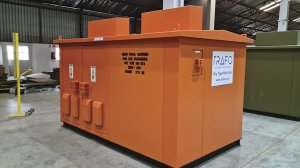
A dry-type mini-substation engineered for reliable power distribution in high-ambient-temperature mining and industrial environments
An IP54-rated dry-type mini-substation designed to provide reliable, protected power distribution in harsh conditions
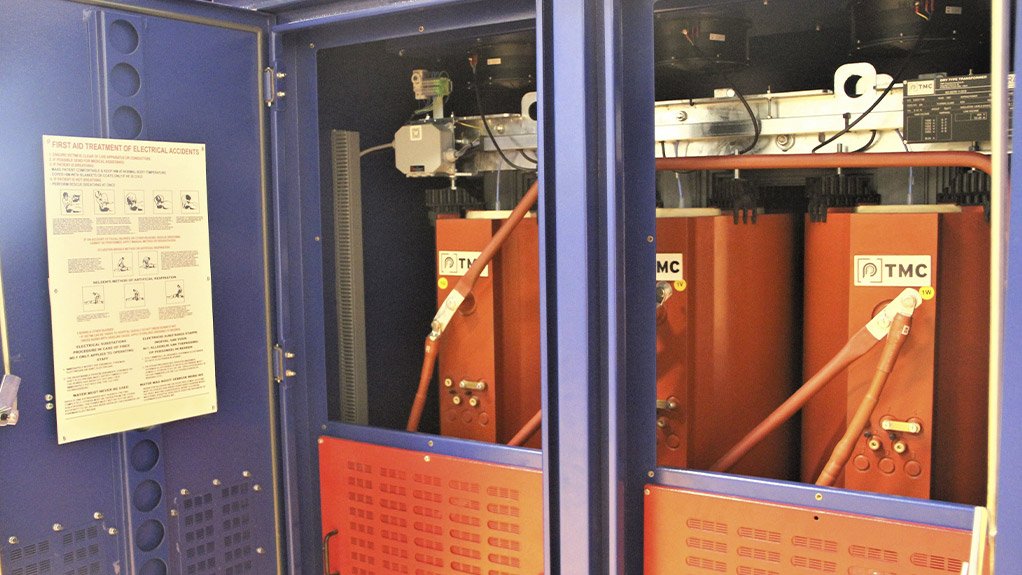
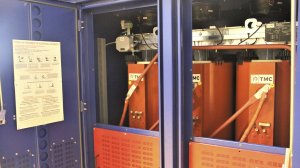
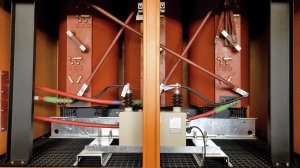
A dry-type transformer integrated into a compact mini-substation for safe, reliable and efficient power distribution
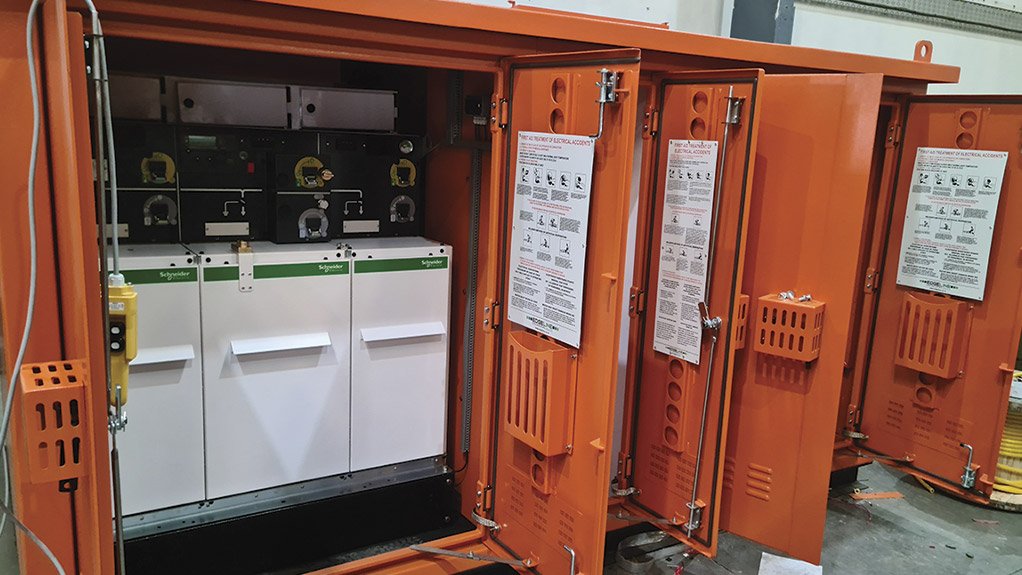
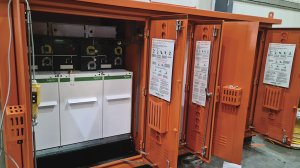
The medium voltage (MV) section of a dry-type mini-substation, engineered for safe and reliable power distribution in demanding applications
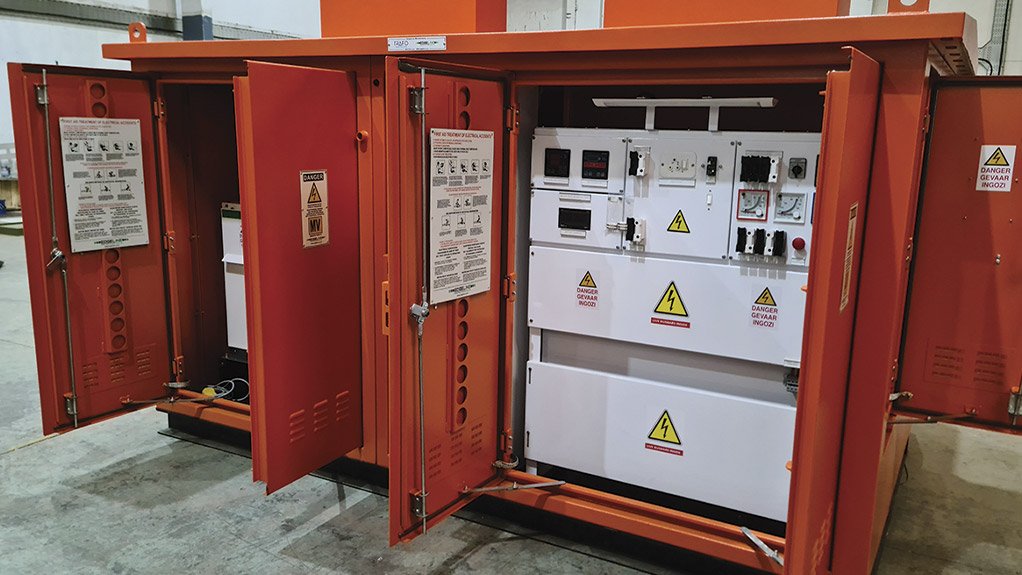
The low voltage (LV) section of a dry-type mini-substation, designed to deliver safe, efficient and reliable power distribution to downstream equipment and infrastructure
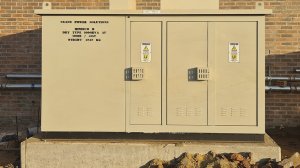
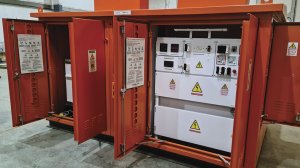
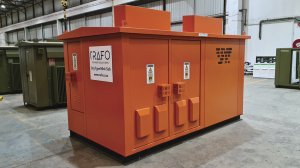
A custom-designed dry-type mini-substation engineered to meet the specific power distribution requirements of infrastructure applications
The installation of a dry-type mini-substation ensures safe, reliable and efficient power distribution tailored to the application's requirements
A view of the dry-type transformer within a mini-substation designed for safe and reliable power distribution in underground mining applications
A custom-engineered dry-type mini-substation built to meet specific operational and environmental requirements


This article has been supplied.
As demand grows for reliable electrical infrastructure across mining, industrial and commercial projects, mini-substations are increasingly being installed to support new developments, expansions and upgrades. However, a concerning trend is emerging in parts of the market, where equipment that has previously been used is cosmetically refurbished and then sold as new.
According to David Claassen, Managing Director of Trafo Power Solutions, many buyers may not even realise they are purchasing refurbished equipment until problems begin to emerge.
“In some cases, mini-substations are removed from facilities that are being upgraded or demolished and these units are then bought very cheaply,” Claassen explains. “They are cleaned, repainted and sometimes fitted with a new nameplate before being sold back into the market as supposedly new equipment.”
While the exterior of such equipment may appear new, the internal components, including the transformer, switchgear and protection systems, may already have years of operational history.
Claassen notes that this practice is particularly concerning because mini-substations form a critical part of electrical infrastructure in industrial operations.
“These units are responsible for safely stepping down and distributing power within a facility or operation,” he says. “If a company unknowingly installs equipment that has already experienced significant operational wear, they may be introducing serious reliability risks into their power system.”
The potential consequences can be severe. Electrical equipment that has already seen years of service may have reduced operational life, unknown maintenance history or hidden deterioration in key components such as insulation systems or protection devices.
“In the worst cases, companies only discover the true condition of the equipment when a failure occurs,” Claassen says. “That can lead to costly downtime, damage to connected equipment and, in extreme situations, safety incidents.”
Claassen emphasises that Trafo Power Solutions fully supports open competition in the electrical equipment market, but stresses that transparency and honest representation of equipment are essential.
“We believe in a competitive market but the issue here is about intent,” he says. “If refurbished electrical equipment is clearly sold as refurbished, the customer can make an informed decision. The problem arises when equipment is misrepresented as new.”
One of the most effective ways for buyers to protect themselves, Claassen notes, is by ensuring that suppliers can provide full traceability and documentation for the equipment being supplied.
“A genuine new mini-substation should come with full documentation from the manufacturer,” he says. “This includes serial numbers for major components, factory acceptance test (FAT) reports, compliance certificates and detailed engineering documentation.”
“Customers are encouraged to witness key points during the manufacturing process like inspecting the active part of the transformer, prior to tanking (in the case of oil type transformers) and the FAT of the transformer as well as the FAT of the completed minisub,” Claassen says, adding that Trafo Power Solutions offers this to customers in person or remotely via video link.
Without this information, it becomes difficult to confirm the origin and condition of the equipment.
Claassen also points out that refurbished equipment does have a place in the market when it is properly described and supplied for suitable applications.
“Refurbished electrical infrastructure can be a viable solution in certain circumstances, provided it has been properly inspected, tested and clearly sold as refurbished,” he explains. “The key is transparency so that the buyer understands exactly what they are purchasing.”
For companies investing in electrical infrastructure that underpins critical operations, understanding the origin and condition of equipment is essential.
“Electrical infrastructure is not an area where shortcuts should be taken,” Claassen concludes.
“Companies should ensure they are working with reputable suppliers who can demonstrate the integrity, traceability and quality of the equipment being supplied. Knowing exactly what you are buying is critical to protecting both your operations and your investment.”
INSERT BOX
FIVE QUESTIONS TO ASK BEFORE BUYING A MINI-SUBSTATION
Companies investing in electrical infrastructure should ensure they fully understand the origin and condition of the equipment being supplied. Before purchasing a mini-substation, it is advisable to ask the supplier the following questions:
1. Where was the mini-substation manufactured?
Reputable suppliers should be able to confirm the origin of the unit and provide full manufacturing details.
2. Are all the major components new?
Buyers should verify that the transformer, switchgear and protection equipment are new and not previously installed units.
3. Can the supplier provide factory acceptance test (FAT) documentation?
New equipment should be accompanied by comprehensive testing records confirming that it has passed factory quality checks. This should include up to date calibration certificates of all test equipment and instruments used.
4. Are serial numbers and manufacturer documentation available?
Traceability of key components is essential to confirm authenticity and ensure future maintenance support. Quality Control Procedures (QCP’s) should be requested.
5. What warranties and compliance certifications apply?
A genuine new mini-substation should meet recognised electrical standards and include appropriate warranties.
Taking the time to verify these details can help companies avoid costly mistakes and ensure that their electrical infrastructure is reliable, compliant and fit for purpose.
Article Enquiry
Email Article
Save Article
Feedback
To advertise email advertising@creamermedia.co.za or click here

Projects

Latest Multimedia

Latest News

Showroom
For over 30 years, Werner South Africa Pumps & Equipment (PTY) LTD has been designing, manufacturing, supplying and maintaining specialist...
VISIT SHOWROOM
We are responsible manufacturers of essential components. Manufacturing 80 million parts a week, we have over 1 billion parts in stock.
VISIT SHOWROOM

Press Office
Announcements
What's On
Subscribe to improve your user experience...
Option 1 (equivalent of R125 a month):
Receive a weekly copy of Creamer Media's Engineering News & Mining Weekly magazine
(print copy for those in South Africa and e-magazine for those outside of South Africa)
Receive daily email newsletters
Access to full search results
Access archive of magazine back copies
Access to Projects in Progress
Access to ONE Research Report of your choice in PDF format
Option 2 (equivalent of R375 a month):
All benefits from Option 1
PLUS
Access to Creamer Media's Research Channel Africa for ALL Research Reports, in PDF format, on various industrial and mining sectors
including Electricity; Water; Energy Transition; Hydrogen; Roads, Rail and Ports; Coal; Gold; Platinum; Battery Metals; etc.
Already a subscriber?
Forgotten your password?
Receive weekly copy of Creamer Media's Engineering News & Mining Weekly magazine (print copy for those in South Africa and e-magazine for those outside of South Africa)
➕
Recieve daily email newsletters
➕
Access to full search results
➕
Access archive of magazine back copies
➕
Access to Projects in Progress
➕
Access to ONE Research Report of your choice in PDF format
RESEARCH CHANNEL AFRICA
R4500 (equivalent of R375 a month)
SUBSCRIBEAll benefits from Option 1
➕
Access to Creamer Media's Research Channel Africa for ALL Research Reports on various industrial and mining sectors, in PDF format, including on:
Electricity
➕
Water
➕
Energy Transition
➕
Hydrogen
➕
Roads, Rail and Ports
➕
Coal
➕
Gold
➕
Platinum
➕
Battery Metals
➕
etc.
Receive all benefits from Option 1 or Option 2 delivered to numerous people at your company
➕
Multiple User names and Passwords for simultaneous log-ins
➕
Intranet integration access to all in your organisation