Engineering South Africa's Energy Future - An industry perspective

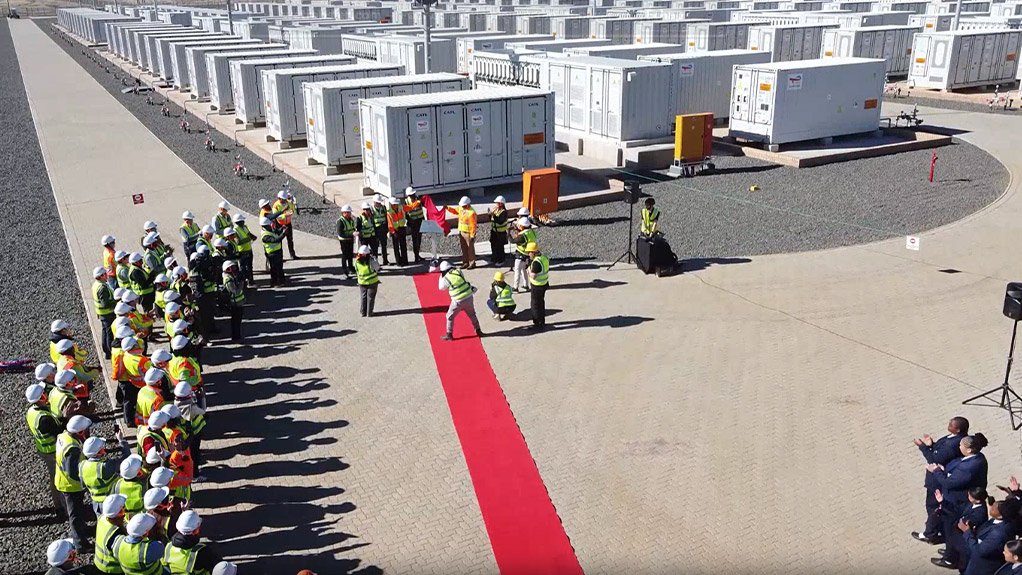
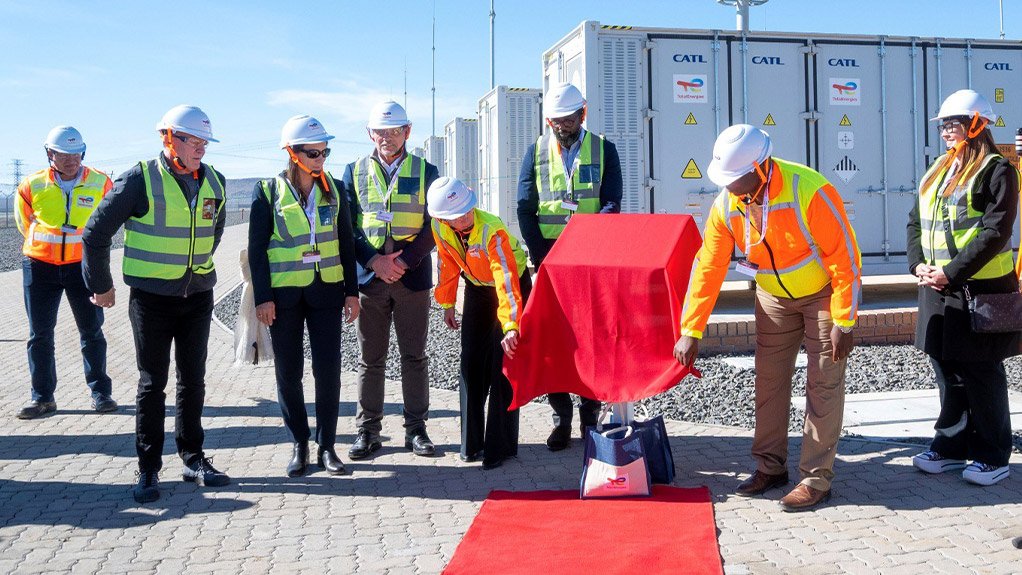
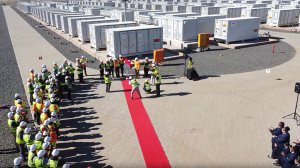
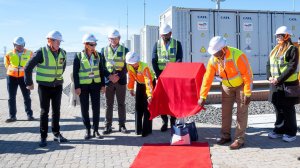
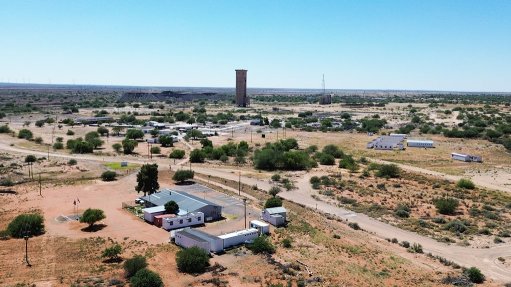
TotalEnergies Hydra Storage opening ceremony in De Aar
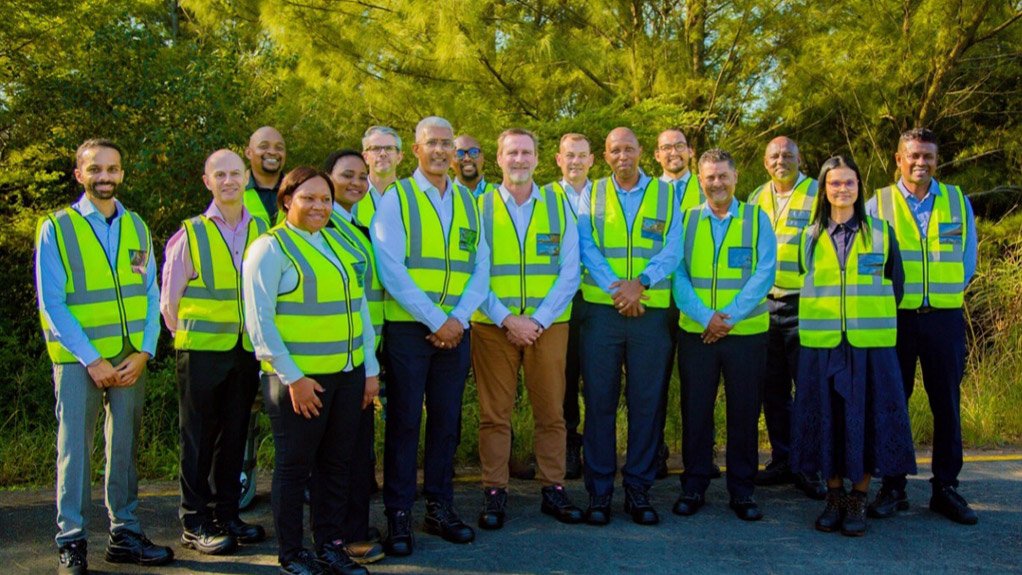
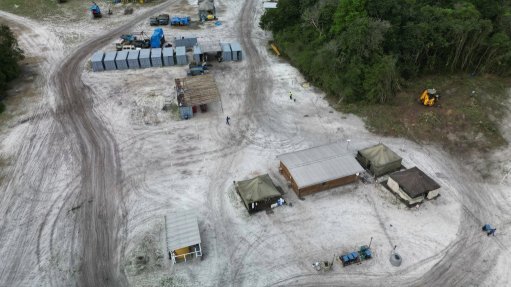
Future home of Zululand Energy Terminal at the Port of Richards Bay
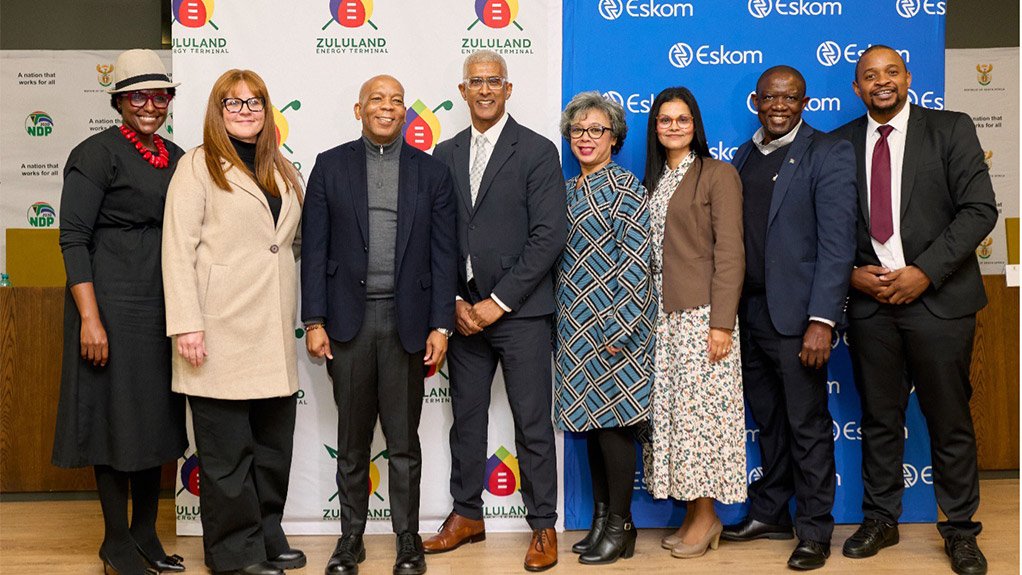
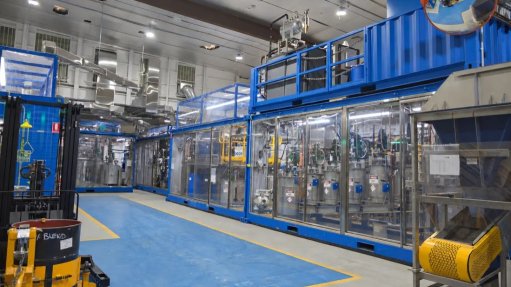
Eskom signs Heads of Agreement with Zululand Energy Terminal
TotalEnergies Hydra Storage opening ceremony in De Aar



Winter has a way of making us think about energy, whether we mean to or not. The geyser works harder. The heater stays on longer. Cold mornings remind you just how much you rely on electricity before the sun has had a chance to warm things up. For much of the last decade, that also meant checking which stage of load shedding was scheduled for the day. This winter, for the first time in more than ten years, most of the country hasn't needed to.
Eskom's fleet availability has climbed from below 50% to above 65%, and two of the country's newest coal-fired power stations have finally reached full output. One of South Africa's three big energy questions has, for now, been answered.
The other two are easier to miss. That's exactly why they're worth talking about.
The first is gas. South Africa produces almost none of its own. Nearly all the underground piped natural gas used by industry and households in and around Johannesburg comes from two ageing fields in Mozambique that have been in production since 2004.
Sasol imports that gas before it reaches homes and businesses through Egoli Gas's 800km reticulation network. Sasol has twice pushed back the date until which it can guarantee that supply: first to June 2027, then to July 2028.
Its chief executive has been clear that the extension is there to give the country "space and scope" to build import infrastructure before the decline catches up, not because the decline has disappeared. A countdown, once started, keeps running until something replaces what's running out.
Government identified three ports for LNG import terminals. Only one has moved beyond the planning stage. Richards Bay is that project.
There, a joint venture between Vopak Terminal Durban, part of Royal Vopak, the world's largest independent tank storage company, Transnet Pipelines and Reatile, through its 30% stake in Vopak South Africa, holds a signed 25-year concession to build and operate the Zululand Energy Terminal.
The project starts with a floating storage unit and later scales to a permanent tank of more than 200,000 cubic metres as part of a national plan for 6,000MW of gas-fired power. Eskom and ExxonMobil have already signed on as customers.
Ngqura and Saldanha Bay remain where they were a few years ago: designated sites on a plan, not yet under construction. Turning a designation into working infrastructure is the harder part.
The same thing is happening in liquid fuels. Three of South Africa's six oil refineries have shut down since 2020. Of roughly 700,000 barrels a day of refining capacity the country once had on paper, only around 208,000 is still operating.
According to the South African Petroleum Industry Association, imports supplied 35% of South Africa's refined fuel demand in early 2020. By late 2023 that had climbed to 61%, and it has continued to rise. Once fuel is imported rather than refined locally, the refinery stops being the point that determines whether there's enough fuel at the pump.
That responsibility shifts to the storage terminals between the ship and the filling station. That's the corridor Reatile built with Royal Vopak: an expanded coastal terminal at Durban linked by pipeline to an inland terminal at Heidelberg in Lesedi, moving fuel into Gauteng, the province that accounts for roughly 70% of the country's fuel demand.
The same lesson appeared again in 2025, this time in renewable energy. A competitive government bid round for new wind projects awarded not a single megawatt.
The problem wasn't the quality of the projects. It was that the country's best wind resources sit on a transmission grid that's already full. Good, affordable, ready-to-build power couldn't connect to the network. It's the same story as the refineries and the LNG terminals, told through a different technology. The resource itself was never the constraint. Moving it, storing it or connecting it to the grid always was.
Reatile's renewables and storage business, now spanning more than 20 utility-scale wind, solar and battery assets, has grown inside that reality.
Its latest milestone is the Hydra hybrid renewable project near De Aar, developed with TotalEnergies and Hydra Storage Holding.
Combining 216MW of solar generation with 500MWh of battery storage, it is one of the largest hybrid renewable energy projects in Africa and reflects the same principle: renewable energy only creates value once generation, storage and grid infrastructure come together.
Three sectors. Three versions of the same story. The same thing keeps happening. Someone sees the constraint early, then spends years building the answer.
“The constraint is never really the resource. It's whether South African capital is willing to back the infrastructure that moves it, stores it or connects it, years before the shortage becomes visible. That's what Reatile has done, again and again, alongside global partners — because energy security shouldn't depend on SA Inc sitting on the sidelines of its own infrastructure”, Reatile Group, Chief Commercial Officer – Sunette Smith.
That's why Reatile keeps showing up in the same places. Gas reticulation, through Egoli Gas. LPG for households and businesses, through Easigas, the LPG joint venture between Rubis Energie and Reatile Gaz. Fuel storage. LNG import. Renewables and battery storage.
Reatile is one of the very few South African companies operating across all five, alongside partners that each specialise in a different part of the system: Royal Vopak in storage, RMB and South Africa's major banks in financing, and Transnet and Eskom in the infrastructure and demand that make it possible. Reatile has consistently invested alongside those partners, then stayed to deliver what was promised.
For most of the last decade, energy security in South Africa meant one thing: whether the lights stayed on. That fight has largely been won. Eskom deserves real credit for that operational recovery. But it was only one part of a much bigger picture. Fuel and gas are still running on their own clocks. The terminals, tanks, pipelines and ships that determine how those stories end depend on the same kind of patient, long-term partnership that helped stabilise the grid.
South Africa isn't moving away from gas tomorrow. It remains the fuel that keeps industry running while the rest of the energy system catches up. Alongside renewables, it helps provide reliable, on-demand power when the sun sets or the wind drops. But generating power is only part of the job.
Reatile, together with its partners, has spent the last two decades building the infrastructure in between: the terminals, tanks and pipelines that move gas from where it arrives to where the country needs it. That's the part of the energy system most people never see until it isn't there.
Article Enquiry
Email Article
Save Article
Feedback
To advertise email advertising@creamermedia.co.za or click here
Research Reports
Projects
Latest Multimedia
Latest News
Showroom
At Airshrink - CiP, we surpass customer expectations with innovative MV and LV cable accessories, including heat shrink joints, terminations,...
VISIT SHOWROOM
We at Hawk High Pressure Pumps specialise in industrial pumps and pumping systems. Our high pressure washing equipment is locally manufactured and...
VISIT SHOWROOM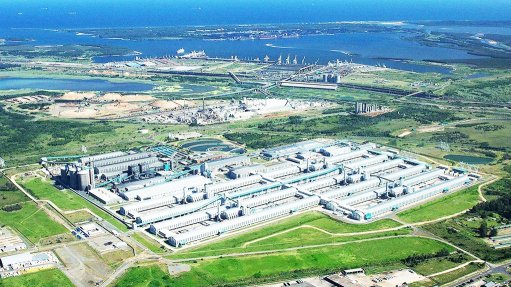
Announcements
What's On
Subscribe to improve your user experience...
Option 1 (equivalent of R125 a month):
Receive a weekly copy of Creamer Media's Engineering News & Mining Weekly magazine
(print copy for those in South Africa and e-magazine for those outside of South Africa)
Receive daily email newsletters
Access to full search results
Access archive of magazine back copies
Access to Projects in Progress
Access to ONE Research Report of your choice in PDF format
Option 2 (equivalent of R375 a month):
All benefits from Option 1
PLUS
Access to Creamer Media's Research Channel Africa for ALL Research Reports, in PDF format, on various industrial and mining sectors
including Electricity; Water; Energy Transition; Hydrogen; Roads, Rail and Ports; Coal; Gold; Platinum; Battery Metals; etc.
Already a subscriber?
Forgotten your password?
Receive weekly copy of Creamer Media's Engineering News & Mining Weekly magazine (print copy for those in South Africa and e-magazine for those outside of South Africa)
➕
Recieve daily email newsletters
➕
Access to full search results
➕
Access archive of magazine back copies
➕
Access to Projects in Progress
➕
Access to ONE Research Report of your choice in PDF format
RESEARCH CHANNEL AFRICA
R4500 (equivalent of R375 a month)
SUBSCRIBEAll benefits from Option 1
➕
Access to Creamer Media's Research Channel Africa for ALL Research Reports on various industrial and mining sectors, in PDF format, including on:
Electricity
➕
Water
➕
Energy Transition
➕
Hydrogen
➕
Roads, Rail and Ports
➕
Coal
➕
Gold
➕
Platinum
➕
Battery Metals
➕
etc.
Receive all benefits from Option 1 or Option 2 delivered to numerous people at your company
➕
Multiple User names and Passwords for simultaneous log-ins
➕
Intranet integration access to all in your organisation