
Biotechnology can improve energy, resource efficiency

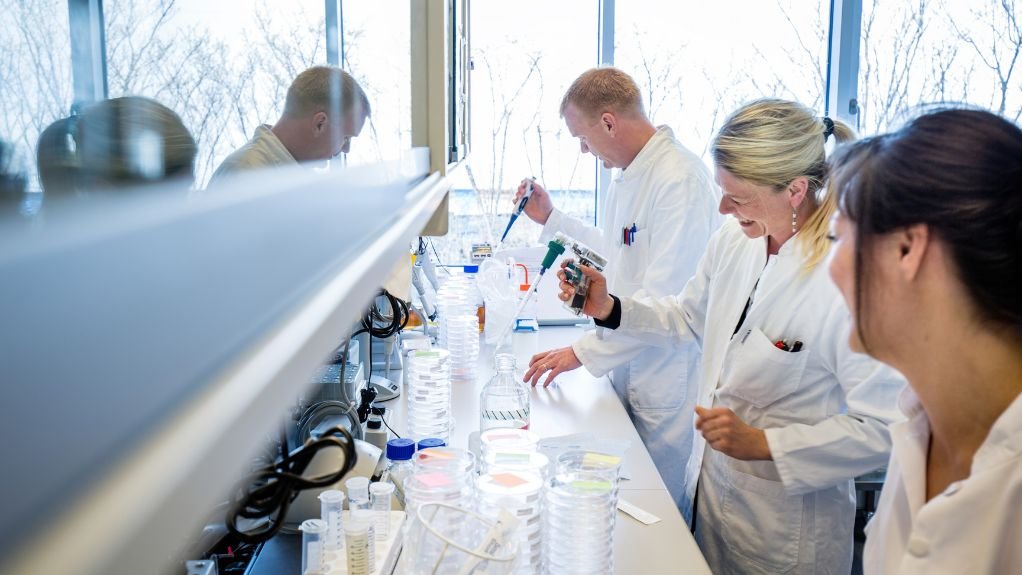
RESOURCE REDUCTION Biosolutions can help industries improve production yields while reducing the resources required to achieve the same output


By producing more from the same feedstocks and reducing the inputs required in industrial processes, biotechnology is emerging as another tool that industries can use to improve energy and resource efficiency, says Novonesis South Africa country manager Nanda Kishore Chanda.
He explains that biosolutions, which include enzymes, microbes, bacterial cultures and yeast, can help industries improve production yields while reducing the resources required to achieve the same output. In the biofuels sector, for example, enzymes and yeast can improve the conversion of feedstocks into ethanol. Chanda says Novonesis’ biosolutions can increase ethanol output by between 3% and 4%, based on results in countries that have adopted the technology over the past three years.“About 1% to 2% of the improvement can come from yeast, with a further 1% to 2% coming from enzymes,” he states.
Agricultural residues, used cooking oil and other organic waste can provide additional feedstocks for biofuel and biogas production.
South Africa generates between 600 t and 800 t of used cooking oil a day, according to Novonesis’ data, generating a potential feedstock for biodiesel production.
“Biosolutions can improve the conversion of these feedstocks into fuels and increase the amount of energy that can be obtained from the same resource,” Chanda says.
Enzymes can also improve the extraction of sugar from sugarcane, while agricultural residues can be used to produce additional ethanol.
Biosolutions can similarly improve biogas production from the same digester, allowing for more energy to be produced from an existing feedstock, he adds.
Chanda says the value of biotechnology in improving efficiency lies in its ability to help industries use less to get more.
This approach can be applied across several industries including food and beverage, agriculture, industrial chemicals as well as bioenergy. As another example, he cites biosolutions’ ability to reduce the quantity of chemicals required in some industrial processes. Using biosolutions in detergents can reduce chemical use by almost 30% while maintaining the same cleaning performance. Chanda adds that the wider application of biotechnology can, therefore, contribute to energy and resource efficiency by enabling industries to achieve the same or greater output with fewer inputs. In agriculture, biotechnology can contribute to resource efficiency, with microorganisms able to improve nutrient uptake and, potentially, reduce the quantity of fertiliser required. Biosolutions can also help to reduce pests and improve crop yields, Chanda notes.However, biotechnology is not a single solution to South Africa’s energy and resource challenges, but can form part of a broader approach to improving industrial efficiency and resilience, he notes.
Novonesis, which was formed in 2024 through the combination of Novozymes and Chr. Hansen, develops biosolutions using microorganisms, enzymes and proteins for applications across more than 30 industries.
Chanda says local application facilities are important because biosolutions need to be tested and adapted to ensure that they work effectively under local conditions. Greater adoption of biosolutions will require collaboration among industry, government and consumers, as well as appropriate policy and greater awareness of the available technologies.
For South African industry, the opportunity is to extract more value from existing resources while reducing the inputs required to produce goods and energy, Chanda concludes.
Article Enquiry
Email Article
Save Article
Feedback
To advertise email advertising@creamermedia.co.za or click here
Research Reports


Projects


Latest Multimedia


Latest News

Showroom
ECG provides specialised electrical engineering services to the Mining, Utilities, Materials Handling and Industrial industries, with extensive and...
VISIT SHOWROOM
Developed to exceed the latest EN 15964 standards for police breathalysers proving that it will remain accurate and reliable for many years to come.
VISIT SHOWROOM



Announcements
What's On
Subscribe to improve your user experience...
Option 1 (equivalent of R125 a month):
Receive a weekly copy of Creamer Media's Engineering News & Mining Weekly magazine
(print copy for those in South Africa and e-magazine for those outside of South Africa)
Receive daily email newsletters
Access to full search results
Access archive of magazine back copies
Access to Projects in Progress
Access to ONE Research Report of your choice in PDF format
Option 2 (equivalent of R375 a month):
All benefits from Option 1
PLUS
Access to Creamer Media's Research Channel Africa for ALL Research Reports, in PDF format, on various industrial and mining sectors
including Electricity; Water; Energy Transition; Hydrogen; Roads, Rail and Ports; Coal; Gold; Platinum; Battery Metals; etc.
Already a subscriber?
Forgotten your password?
Receive weekly copy of Creamer Media's Engineering News & Mining Weekly magazine (print copy for those in South Africa and e-magazine for those outside of South Africa)
➕
Recieve daily email newsletters
➕
Access to full search results
➕
Access archive of magazine back copies
➕
Access to Projects in Progress
➕
Access to ONE Research Report of your choice in PDF format
RESEARCH CHANNEL AFRICA
R4500 (equivalent of R375 a month)
SUBSCRIBEAll benefits from Option 1
➕
Access to Creamer Media's Research Channel Africa for ALL Research Reports on various industrial and mining sectors, in PDF format, including on:
Electricity
➕
Water
➕
Energy Transition
➕
Hydrogen
➕
Roads, Rail and Ports
➕
Coal
➕
Gold
➕
Platinum
➕
Battery Metals
➕
etc.
Receive all benefits from Option 1 or Option 2 delivered to numerous people at your company
➕
Multiple User names and Passwords for simultaneous log-ins
➕
Intranet integration access to all in your organisation