Waste dough finds new life

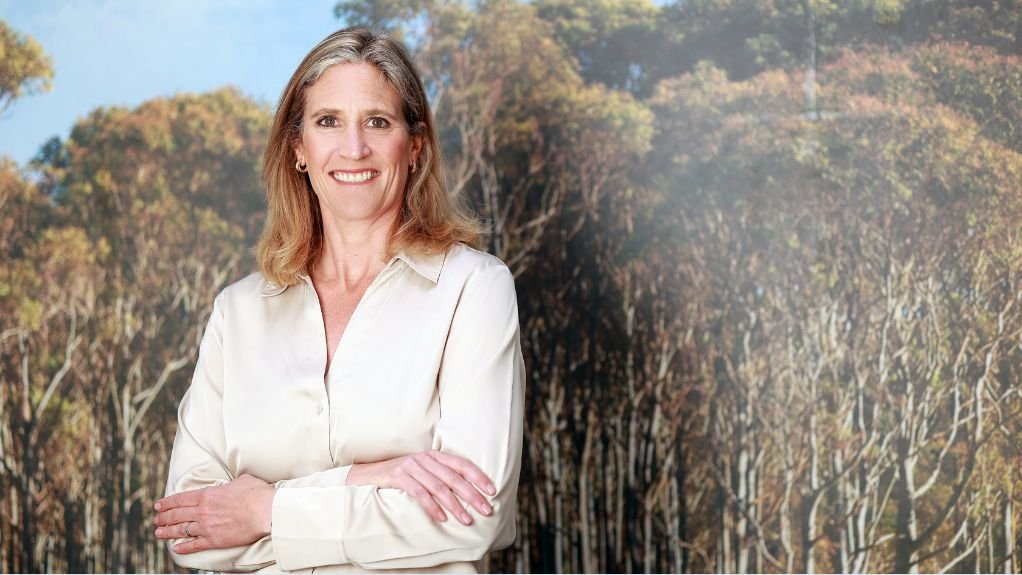
KATE STUBBS EnviroServ collects wasted dough from industrial bakeries, treats it to neutralise the yeast and then combines it with other organic materials to create livestock feed



Food waste is creating opportunities for businesses to recover value from materials that would be sent to landfill, with environmental services company EnviroServ helping to turn waste dough into livestock feed.
EnviroServ business development director Kate Stubbs says the company’s on-site teams work with industrial bakeries to separate dough waste and keep it clean enough for recovery.
The waste dough is then collected and treated to neutralise the yeast before being combined with other organic materials that have nutritional value.
“The resulting material is processed as an ingredient for livestock feed, creating an alternative use for dough that would otherwise become waste.”
Stubbs adds that the example highlights the importance of managing organic waste separately from general waste.
“Clean, separated organic material may be suitable for recovery, animal-feed applications, composting or another beneficial use, but these options become more difficult, expensive or impossible when the material is mixed with general waste or contaminants.”
She adds that EnviroServ also diverts suitable brewery by-products, including wet spent grain, yeast and malt dust, for use as animal feed.
“These examples show why solutions need to be designed around individual waste streams,” Stubbs says, noting that organic materials do not all have the same characteristics, risks or potential end use.
Ten-Million Tonnes
South Africa wastes about ten-million tonnes of food a year, representing about one-third of all food produced and costing the economy more than R60-billion, Stubbs says.
Food waste carries embedded costs from raw materials, water, energy, labour, processing, refrigeration, packaging, storage and transport before it reaches the waste stream. Businesses then face further costs to handle and dispose of the material.
She says businesses should, therefore, look beyond the cost of simply disposing of food waste and consider the value that could be recovered.
Stubbs says resource recovery should start with an understanding of the waste stream, including its composition, volume, quality and potential end use.
“This includes establishing a baseline, identifying operational causes of food loss, separating suitable organic materials at source, training employees, providing appropriate containers and controls, and managing waste on site to prevent contamination,” she says.
The material can then be collected and transported to an appropriate facility for treatment or processing for a compliant beneficial use.
Stubbs says businesses should first focus on preventing avoidable food waste and, where safe, redirecting edible surplus for human consumption.
Where food waste cannot be prevented or redistributed, suitable organic waste can be recovered through animal feed, composting, anaerobic digestion or other approved uses.
She says measuring food waste is also essential, as businesses need to understand what is being wasted, where losses occur and what every waste stream costs.
“Food waste represents a significant untapped opportunity for South African businesses,” Stubbs says, adding that preventing waste can improve operational efficiency, reduce disposal costs and preserve landfill space.
“The shift begins when businesses stop regarding waste as somebody else’s problem at the end of the production line. It is an operational and financial signal that should be measured, understood and acted upon,” she concludes.
Article Enquiry
Email Article
Save Article
Feedback
To advertise email advertising@creamermedia.co.za or click here
Research Reports

Projects
Latest Multimedia
Latest News

Showroom

Iritron delivers advanced automation, control, and optimisation solutions to the Mining, Minerals & Metals, Consumer Package Goods and...
VISIT SHOWROOM
Rio Carb is an OEM (Original Equipment Manufacturer) of R-C700 Chromium Carbide (CrC) alloy clad wear plates and pipes used for heavy materials...
VISIT SHOWROOM
Announcements
What's On
Subscribe to improve your user experience...
Option 1 (equivalent of R125 a month):
Receive a weekly copy of Creamer Media's Engineering News & Mining Weekly magazine
(print copy for those in South Africa and e-magazine for those outside of South Africa)
Receive daily email newsletters
Access to full search results
Access archive of magazine back copies
Access to Projects in Progress
Access to ONE Research Report of your choice in PDF format
Option 2 (equivalent of R375 a month):
All benefits from Option 1
PLUS
Access to Creamer Media's Research Channel Africa for ALL Research Reports, in PDF format, on various industrial and mining sectors
including Electricity; Water; Energy Transition; Hydrogen; Roads, Rail and Ports; Coal; Gold; Platinum; Battery Metals; etc.
Already a subscriber?
Forgotten your password?
Receive weekly copy of Creamer Media's Engineering News & Mining Weekly magazine (print copy for those in South Africa and e-magazine for those outside of South Africa)
➕
Recieve daily email newsletters
➕
Access to full search results
➕
Access archive of magazine back copies
➕
Access to Projects in Progress
➕
Access to ONE Research Report of your choice in PDF format
RESEARCH CHANNEL AFRICA
R4500 (equivalent of R375 a month)
SUBSCRIBEAll benefits from Option 1
➕
Access to Creamer Media's Research Channel Africa for ALL Research Reports on various industrial and mining sectors, in PDF format, including on:
Electricity
➕
Water
➕
Energy Transition
➕
Hydrogen
➕
Roads, Rail and Ports
➕
Coal
➕
Gold
➕
Platinum
➕
Battery Metals
➕
etc.
Receive all benefits from Option 1 or Option 2 delivered to numerous people at your company
➕
Multiple User names and Passwords for simultaneous log-ins
➕
Intranet integration access to all in your organisation