Is South African mining’s modernisation urgency falling largely on deaf ears?

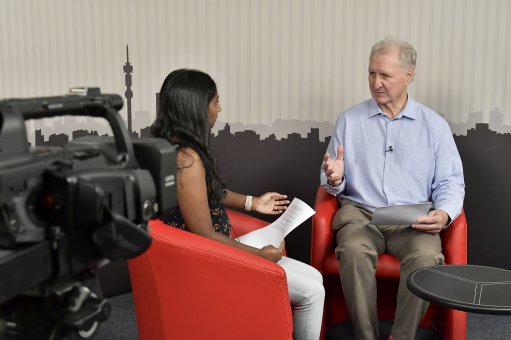
Mining Modernisation Showcase covered by Mining Weekly's Martin Creamer. Video: Creamer Media's Shadwyn Dickinson. Video Editing: Creamer Media's Nicholas Boyd.
Transformative shift toward broader sustainability required.
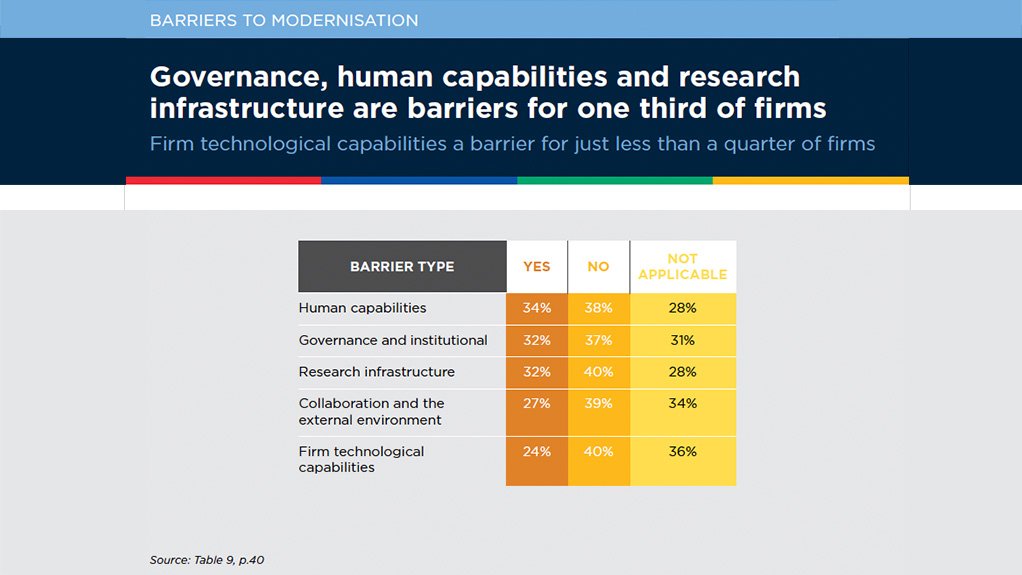
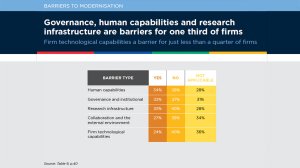
Governance, human capabilities and research infrastructure are barriers for one third of firms.
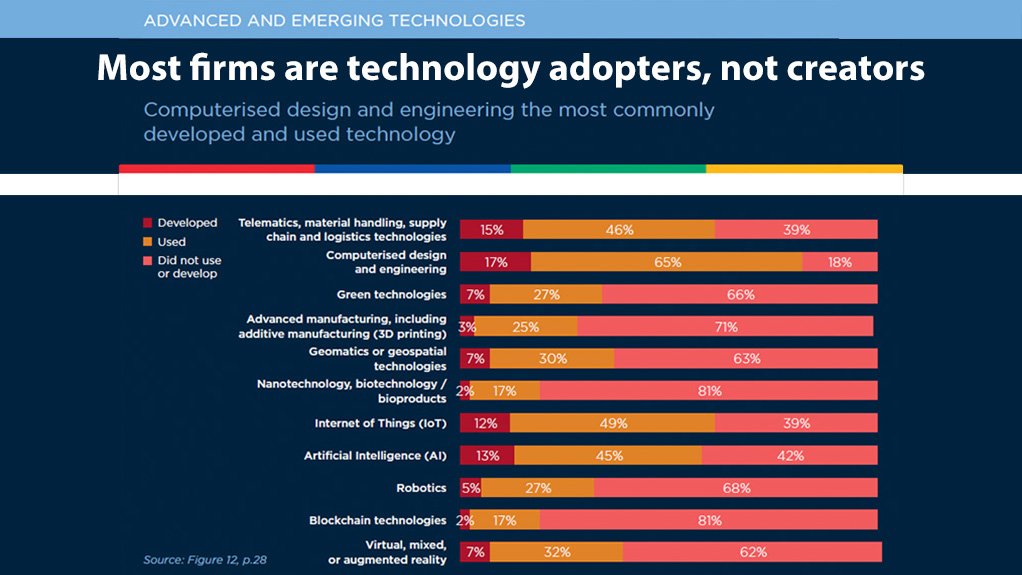
Most are technology adopters, not creators.
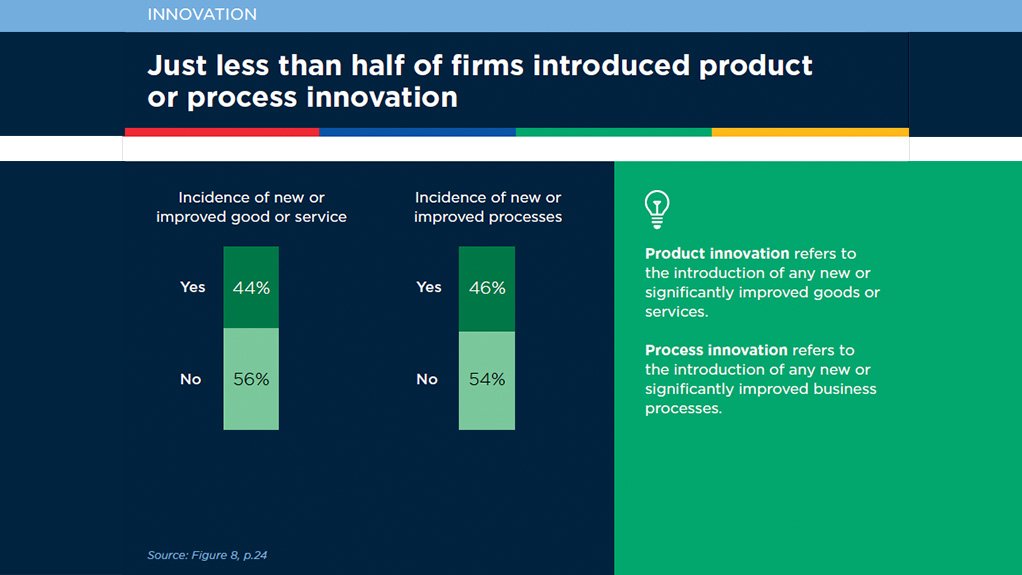
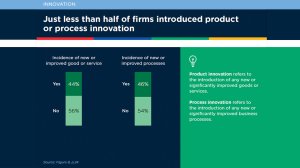
Product and process innovation left wanting.


JOHANNESBURG (miningweekly.com) – Despite South African mining ending up tenth in a ten-country global benchmarking exercise, two-thirds of the respondents who participated in a survey appear to be more intent on just doing the same things better rather than modernising meaningfully.
Despite the sustainability of South African mining being under pressure, the majority of the coal, gold, uranium, platinum group metals, diamond, iron-ore, manganese, copper, and industrial minerals profile surveyed are not modernising. (Also watch attached Creamer Media video.)
The required transformative shift toward broader sustainability lacked emphasis and even environmental considerations ended up as "a secondary dimension".
Spelt out was the need for a shift from legacy practices towards technology solutions, greater operational resilience, and future-facing strategic approaches.
At South Africa’s Mining Modernisation Showcase – where Minerals Council South Africa, the Research Institute for Innovation and Sustainability, the Centre for Science, Technology and Innovation Indicators’ specialised research unit within South Africa's Human Sciences Research Council (HSRC-CeSTII), PwC Smart Mining, the Department of Science, Technology and Innovation, and the National Advisory Council on Innovation locked arms impressively – modernisation of South Africa’s mining sector was described as “an urgent strategic priority for the South African economy”.
But the outcome of the survey into the patterns and capabilities of research, development and innovation (RDI) pointed to most of South Africa's miners and mining services providers not prioritising modernisation that is transformative.
Fewer than half had introduced any significantly improved goods, services or business processes in the three years in question.
The most common activities of RDI activists from 2021 to 2023 were the training employees and the buying assets to increase efficiency and productivity – marking time quicker and better, as it were, without moving any new needles.
Most workforce training is largely bypassing universities and technical and vocational education and training (TVET) colleges.
International training is virtually off the chart. Access to international sources of infrastructure is also low, and intellectual property- (IP-) related activities are within a hair's breadth of being zero.
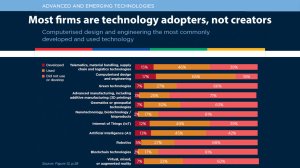
Most firms are technology adopters and not creators and traditional research-and-development- (R&D-) intensive innovation has largely fallen by the wayside.
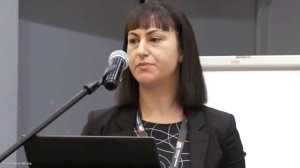
HSRC-CeSTII research specialist Dr Amy Kahn told the showcase audience that 54% of firms reported engagement in employee training activities, which displayed emphasis on building human capital to support innovation.
Forty-four per cent engaged in activities related to the acquisition or lease of tangible assets, highlighting a blend of traditional and technology-driven approaches to modernisation efforts.
Forty per cent reported engaging in engineering, design, and other creative work activities, which underlined the uptake of existing technologies, rather than the development of new technologies by the firms themselves.
Only a third reported in-house R&D, with an even lower percentage engaging in IP-related activities.
Digital innovation in the form of software development and database activities saw moderate 37% engagement, with the most prominent RDI-activity outcomes being more personnel, increased output, improved asset use, and fewer health-and-safety incidents.
Overall, the positive outcomes align with the core objectives of RDI investments: boosting operational efficiency, workforce capability, and sustainability, the audience at the event covered by Mining Weekly heard.
The most commonly developed and used technology was computerised design and engineering, with others including telematics, material handling, supply chain and logistics technologies, the Internet of Things, and AI.
Engagement with higher-cost frontier technologies such as blockchain, nanotechnology, advanced manufacturing, and robotics, remained limited, Kahn noted, while also pointing out that to successfully modernise mining operations, firms require a highly skilled workforce equipped with advanced technical expertise.
Specialised skills are necessary for effectively operating and integrating emerging technologies such as automation, AI, and data analytics, and so firms must invest in workforce skills development and training.
Sixty-three per cent of firms indicated that their employees received formal training in support of their RDI activities but a sizeable proportion did not provide formal training and showed room for improvement in commitng to workforce development.
In drawing attention to the near absence of international training, as well as low use of universities and TVET colleges, Kahn reported that most of the training in South Africa happened in-house as well as via external private service providers.
Firms accessed infrastructure to support their RDI activities from a variety of local and international sources. There was physical infrastructure, including information and communication technology (ICT) research equipment, laboratory facilities, as well as enabling infrastructure, which includes staff, data-management infrastructure, and supercomputing.
Local access to ICT infrastructure was high, with 67% of firms sourcing this infrastructure locally.
The most widely accessed resource was skilled personnel at 79%, again pointing to the importance of human capabilities in RDI for modernisation. Access to advanced infrastructure such as supercomputing was limited.
Of the nigh-R2-billion spent on RDI activities, R1.7-billion was from mining and R251-million from mining services firms. More than half of this expenditure went towards employee training activities, once again highlighting the importance of human capability development.
About a quarter went towards engineering, design, and other creative work activities, and a mere 0.2% was expended on IP-related activities.
The disproportionate investment in training and tangible assets suggested a primary emphasis on immediate operational improvement and skills development rather than long-term strategic innovation, which was for the year 2023 and not for the whole three-year period.
Given the scale and complexity of modernising mining operations, collaboration and partnerships were crucial to mobilise necessary resources, expertise, and coordination, so that all stakeholders worked towards shared goals.
Higher education institutions were the most common partners.
Competitors or other mining companies, consultants, and commercial laboratories were also common partners, and there was far less collaboration with other organisations including government, the Council for Scientific and Industrial Research, Mintek, and other research institutes.
The results also showed low levels of international collaboration, highlighting a significant gap in global knowledge exchange and technology transfer.
This may restrict access to cutting-edge innovations, global best practices, and diverse funding opportunities.
Firms were also asked about the barriers to modernisation. Thirty-four per cent of firms reported that human capability barriers were significant in terms of their modernisation efforts.
This includes shortages in managerial, engineering, technical, data analysis, as well as digital skills.
Governance and institutional barriers, including weak IP protections, insufficient tax incentives, burdensome regulations, and limited government support, were reported by 32% of firms.
Thirty-two per cent of firms also reported research infrastructure barriers, including restricted access to ICT systems, underground communication technologies, energy supply, transportation, laboratory facilities, and commercialisation support.
Firm-level technological capability barriers were the least commonly reported issues.
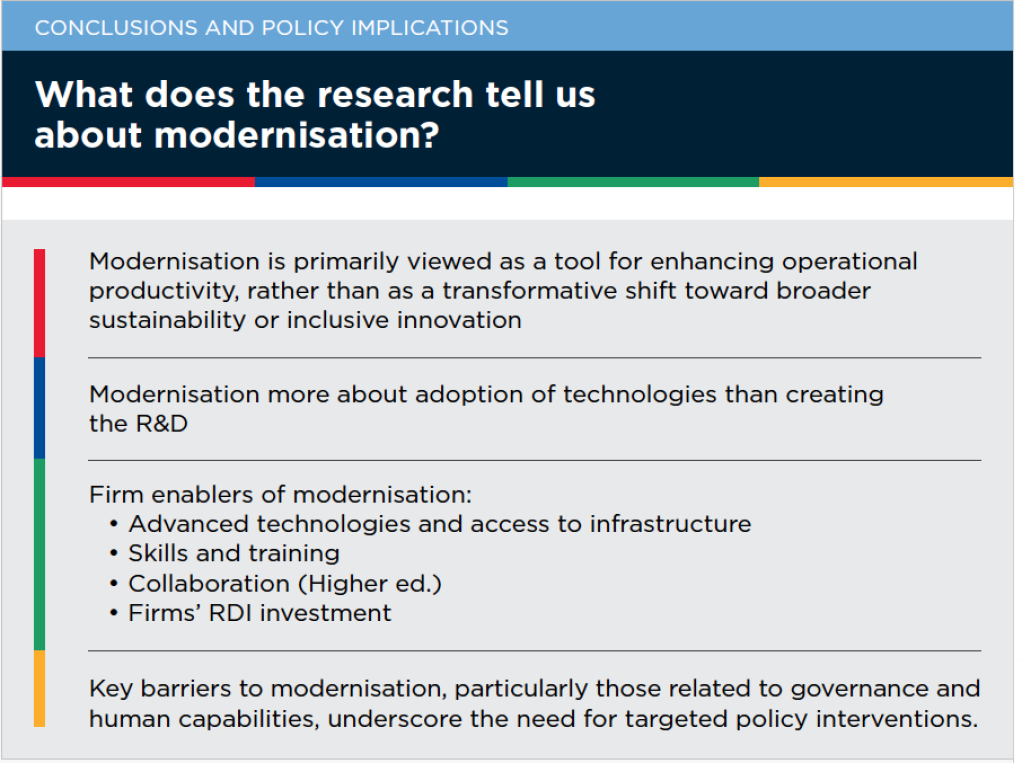
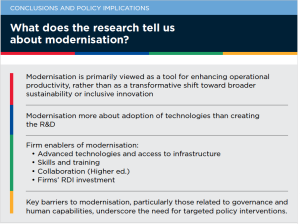
Rather than being correctly viewed as a transformative shift towards broader sustainability or inclusive innovation, modernisation is being primarily viewed as a tool for enhancing operational productivity.
Modernisation enablers were found to be:
• advanced technologies and access to infrastructure;
• skills and training;
• collaboration; and
• genuine RDI investment.
Key barriers to crucial South African mining modernisation, particularly those related to governance and human capabilities, underscore the need for targeted policy interventions, was the conclusion.
Article Enquiry
Email Article
Save Article
Feedback
To advertise email advertising@creamermedia.co.za or click here


Latest Multimedia
Latest News
Showroom
Virtual Gas Network supplies compressed natural gas via a virtual gas distribution network.
VISIT SHOWROOM
Announcements
What's On
Subscribe to improve your user experience...
Option 1 (equivalent of R125 a month):
Receive a weekly copy of Creamer Media's Engineering News & Mining Weekly magazine
(print copy for those in South Africa and e-magazine for those outside of South Africa)
Receive daily email newsletters
Access to full search results
Access archive of magazine back copies
Access to Projects in Progress
Access to ONE Research Report of your choice in PDF format
Option 2 (equivalent of R375 a month):
All benefits from Option 1
PLUS
Access to Creamer Media's Research Channel Africa for ALL Research Reports, in PDF format, on various industrial and mining sectors
including Electricity; Water; Energy Transition; Hydrogen; Roads, Rail and Ports; Coal; Gold; Platinum; Battery Metals; etc.
Already a subscriber?
Forgotten your password?
Receive weekly copy of Creamer Media's Engineering News & Mining Weekly magazine (print copy for those in South Africa and e-magazine for those outside of South Africa)
➕
Recieve daily email newsletters
➕
Access to full search results
➕
Access archive of magazine back copies
➕
Access to Projects in Progress
➕
Access to ONE Research Report of your choice in PDF format
RESEARCH CHANNEL AFRICA
R4500 (equivalent of R375 a month)
SUBSCRIBEAll benefits from Option 1
➕
Access to Creamer Media's Research Channel Africa for ALL Research Reports on various industrial and mining sectors, in PDF format, including on:
Electricity
➕
Water
➕
Energy Transition
➕
Hydrogen
➕
Roads, Rail and Ports
➕
Coal
➕
Gold
➕
Platinum
➕
Battery Metals
➕
etc.
Receive all benefits from Option 1 or Option 2 delivered to numerous people at your company
➕
Multiple User names and Passwords for simultaneous log-ins
➕
Intranet integration access to all in your organisation