Pumps’ evolution aid society, improve operations

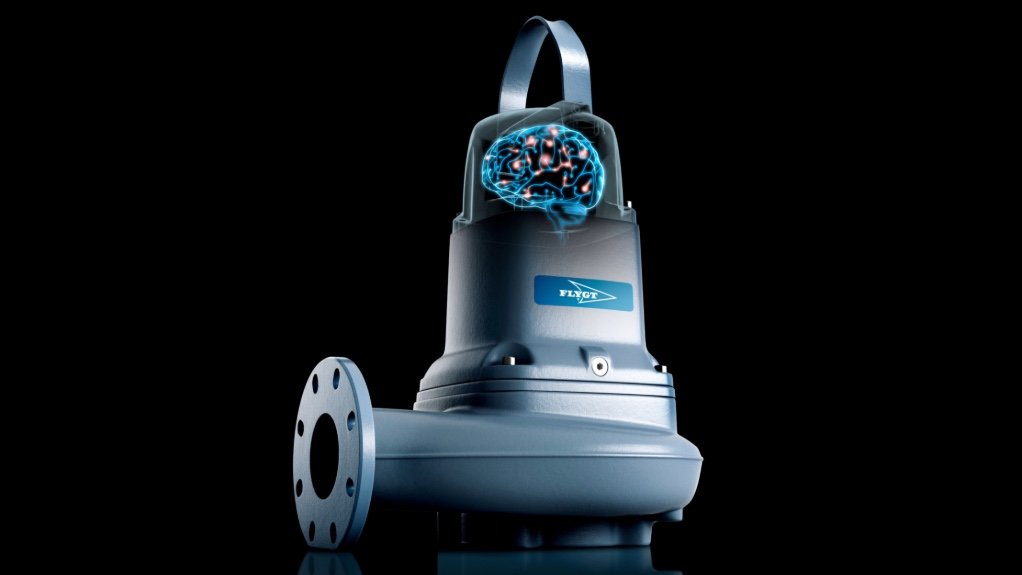
FLYGT CONCERTOR The Flygt Concertor is the world's first wastewater pumping system with integrated intelligence


Moving water is one of the basic functions upon which modern life depends but that is rarely noticed, notes water solutions company Xylem, adding that water pumps keep wastewater moving to treatment plants, construction sites and mines dry, cities protected from flooding and essential infrastructure operating.
For this reason, Xylem is celebrating 125 years of Flygt pumps engineering heritage, and the breakthroughs that have made pumping more reliable and efficient, amid challenges such as ageing infrastructure, rising costs and more demanding operations.
Around the world, Flygt pumps are part of the aforementioned “largely invisible” infrastructure, owing to their reliability. Xylem points out that dependable pumping is the product of generations of engineering, solving problems that once made moving water more difficult, labour intensive and unpredictable. It notes that Flygt’s role in the story has “surprisingly modest beginnings”.
In 1901, blacksmith and mould maker Per Alfred Stenberg established a small foundry in Emmaboda, Sweden, initially serving the region’s glass industry. Some two decades later, Hilding Flygt established a pump and fan sales company in Stockholm. Their paths crossed in 1929 and the first Flygt pump was produced in Emmaboda the following year.
Over a century later, Emmaboda remains at the heart of Flygt manufacturing, home to Xylem’s flagship Flygt pump factory, producing 160 000 to 170 000 pumps each year. The facility boasts a history of innovation that has “helped reshape how water is moved and managed”, says Xylem.
The first “major leap” came in the 1940s, in response to a practical problem facing construction and mining sites. At the time, dewatering still relied on pumps being positioned above the water, drawing it up through suction pipes. As excavations deepened and conditions changed, the equipment had to be moved and adjusted, while the pumps themselves remained vulnerable to flooding.
Consequently, engineer Sixten Englesson, in 1947, developed the world’s first submersible drainage pump. Nicknamed the “Parrot Cage”, it could operate when submerged, changing how pumps could be deployed in demanding environments.
From a wastewater perspective, Xylem notes that, historically, conventional wastewater pumpstations required significant space and were often cumbersome to install and service. In 1956, Flygt introduced the world’s first submersible wastewater pump with an automatic discharge connection, enabling more compact stations and simpler installation and servicing.
By the 1990s, Xylem notes, clogging had become another persistent challenge.
Solids often accumulated in pumpstations and become caught in equipment, driving up cleaning and maintenance costs as well as unplanned interventions. The Flygt TOP station, introduced in 1996, was designed to reduce solids accumulating in the sump. A year later, Flygt introduced N technology, with a self-cleaning impeller designed to reduce clogging while maintaining hydraulic efficiency.
“By 2016, reliable mechanical performance was no longer the only measure of success. Operators increasingly wanted lower energy use, greater system visibility and technology capable of responding to changing conditions,” Xylem notes.
It therefore launched the Flygt Concertor, the “world’s first wastewater pumping system with integrated intelligence”. Designed to sense operating conditions and adapt performance in real time, Concertor brought together hydraulics, motors, power electronics and intelligent controls. Field testing reported energy savings of up to 70% compared with conventional pumping systems.
Five years later, that shift towards intelligent pumping extended into dewatering with Flygt Bibo Alpha, which automatically adapts its speed and performance to changing water inflow, reducing manual intervention while helping limit wear and energy use.
“What 125 years gives us is an extraordinary depth of engineering experience. The technology has changed enormously, but the expectation from customers has remained remarkably consistent: critical pumping systems need to work when they are needed. That experience gives us a strong foundation as we move from reacting to problems towards identifying and addressing them earlier,” says Xylem water infrastructure transport senior VP and GM H Balasubramaniam.
Real World Examples
Xylem notes that, across the decades, Flygt engineering has been put to work in circumstances its earliest engineers could “scarcely have imagined”.
“Flygt pumps played a role in the 1961 recovery of the Vasa, helping keep the seventeenth century warship afloat after 333 years underwater, and later helped keep the Eurotunnel dry during its construction in the late 1980s.In 2018, Flygt pumps were also deployed during the extraordinary international operation behind the Thai cave rescue. Xylem dewatering experts worked alongside the rescue team to help improve the pumping operation as crews raced to control water levels in the cave.”
Xylem adds that, today, that engineering expertise is solving challenges in similarly demanding environments. “At New Boliden’s Renström mine, one of Europe’s deepest, Flygt Bibo Alpha’s adaptive capabilities reduced operational wear by 80%. At Heathrow Airport, Flygt Concertor has required just one reactive site attendance in eight years at a wastewater station previously affected by chronic clogging, while reducing energy consumption by 53%.”
The company asserts that, in the current operating environment, reliability increasingly means more than keeping a pump running; it means using energy efficiently, understanding system performance, and identifying problems before they result in downtime.
Xylem concludes that Flygt’s use of smarter systems and better information can help operators intervene earlier, strengthen resilience and make more informed decisions.
Article Enquiry
Email Article
Save Article
Feedback
To advertise email advertising@creamermedia.co.za or click here



Latest Multimedia
Latest News
Showroom
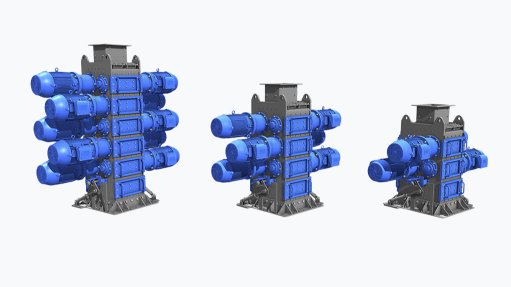
Energy and Densification Systems (EDS) has developed equipment for crushing, milling, blending and densifying products. Based on its globally...
VISIT SHOWROOM
We supply customers with practical affordable solutions for their testing needs. Our products include benchtop, portable, in-line process control...
VISIT SHOWROOM

Press Office
Announcements
What's On
Subscribe to improve your user experience...
Option 1 (equivalent of R125 a month):
Receive a weekly copy of Creamer Media's Engineering News & Mining Weekly magazine
(print copy for those in South Africa and e-magazine for those outside of South Africa)
Receive daily email newsletters
Access to full search results
Access archive of magazine back copies
Access to Projects in Progress
Access to ONE Research Report of your choice in PDF format
Option 2 (equivalent of R375 a month):
All benefits from Option 1
PLUS
Access to Creamer Media's Research Channel Africa for ALL Research Reports, in PDF format, on various industrial and mining sectors
including Electricity; Water; Energy Transition; Hydrogen; Roads, Rail and Ports; Coal; Gold; Platinum; Battery Metals; etc.
Already a subscriber?
Forgotten your password?
Receive weekly copy of Creamer Media's Engineering News & Mining Weekly magazine (print copy for those in South Africa and e-magazine for those outside of South Africa)
➕
Recieve daily email newsletters
➕
Access to full search results
➕
Access archive of magazine back copies
➕
Access to Projects in Progress
➕
Access to ONE Research Report of your choice in PDF format
RESEARCH CHANNEL AFRICA
R4500 (equivalent of R375 a month)
SUBSCRIBEAll benefits from Option 1
➕
Access to Creamer Media's Research Channel Africa for ALL Research Reports on various industrial and mining sectors, in PDF format, including on:
Electricity
➕
Water
➕
Energy Transition
➕
Hydrogen
➕
Roads, Rail and Ports
➕
Coal
➕
Gold
➕
Platinum
➕
Battery Metals
➕
etc.
Receive all benefits from Option 1 or Option 2 delivered to numerous people at your company
➕
Multiple User names and Passwords for simultaneous log-ins
➕
Intranet integration access to all in your organisation