Plastics SA drives collaborative action for cleaner rivers and oceans ahead of world oceans day 2026

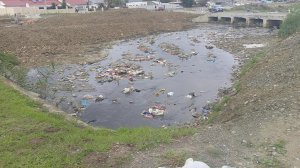


This article has been supplied.
Under the theme “Catalysing Action for Our Ocean & Climate”, Plastics SA is intensifying its efforts to prevent plastic pollution from reaching South Africa’s rivers, streams and oceans through a series of collaborative river catchment projects across the country. The United Nations’ World Oceans Day campaign calls for urgent collective action to protect ocean health and climate stability, while supporting the global target of protecting at least 30% of the world’s oceans by 2030.
Central to Plastics SA’s approach is the belief that protecting the environment is a shared responsibility and one that starts with every individual, business, municipality and organisation playing an active role. “It starts with me” has therefore become a powerful call to action underpinning Plastics SA’s river catchment initiatives, encouraging South Africans to take ownership of their actions and participate in efforts to ensure cleaner rivers, streams and oceans for future generations.
According to Douw Steyn, Sustainability Director of Plastics SA, collaboration and community ownership are critical to the long-term success of any environmental initiative.
“Cleaner oceans begin with cleaner rivers, cleaner streets and cleaner communities. We cannot solve pollution in isolation. It requires collaboration across the entire value chain: government, industry, Producer Responsibility Organisations, NGOs, businesses, schools and communities all have an important role to play. Ultimately, it starts with each one of us taking responsibility for our actions,” says Steyn.
Rather than implementing standalone projects, Plastics SA’s role is to coordinate the various role-players already active within river catchments, helping align resources, expertise, infrastructure and community participation to create sustainable solutions with long-term impact.
The organisation works closely with municipalities, environmental organisations, Producer Responsibility Organisations (PROs), waste management companies, schools, recyclers, local businesses and community groups to assess each catchment area and identify practical interventions that can reduce waste leakage into waterways and oceans.
This collaborative approach includes:
• Conducting baseline feasibility and waste management assessments;
• Supporting recycling infrastructure and collection systems;
• Facilitating education and awareness campaigns;
• Promoting separation-at-source initiatives;
• Supporting buy-back centres and waste collectors;
• Training community ambassadors and “river wardens”;
• Coordinating clean-up activities and anti-litter campaigns; and
• Encouraging innovation and beneficiation opportunities for difficult-to-recycle materials.
Steyn says river catchments have become a major focus area because of the direct connection between inland pollution and marine litter.
“A significant percentage of litter found in the ocean originates inland and travels through stormwater systems and rivers before eventually reaching the sea. If we want cleaner oceans, we need to stop pollution at source and improve waste management systems within communities,” he explains.
Cape Town catchment initiative gains momentum
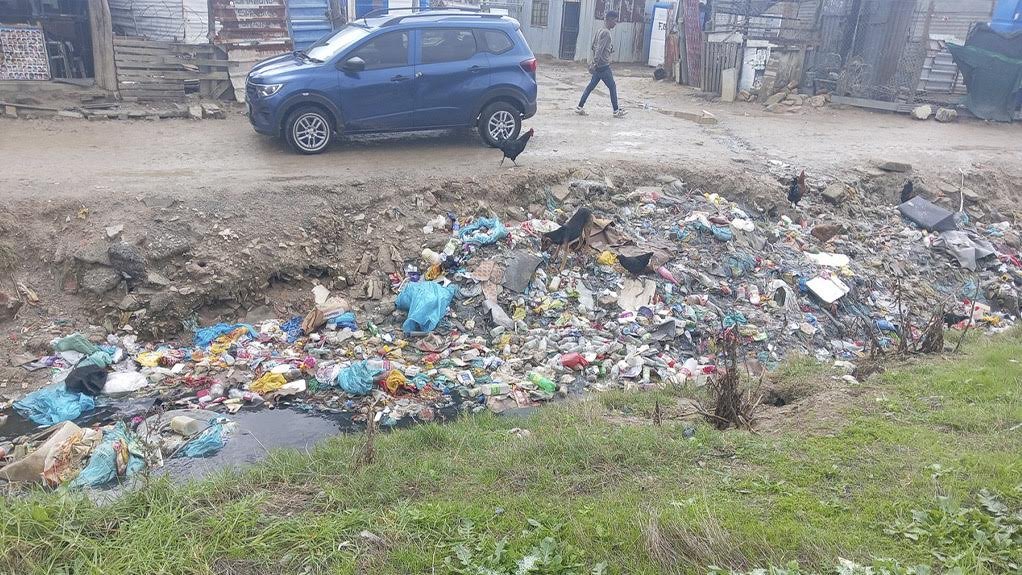
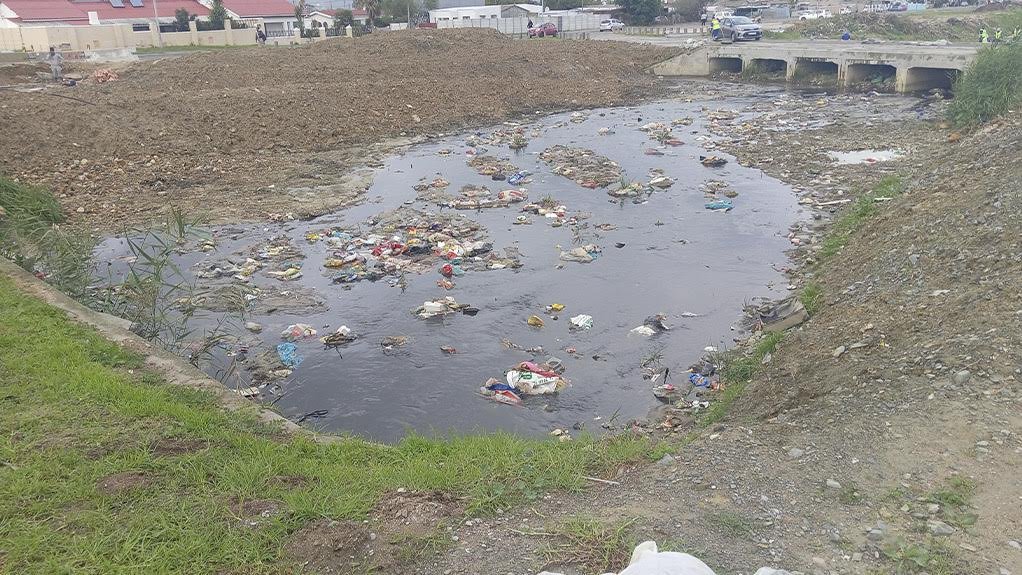
One of Plastics SA’s latest river catchment initiatives is currently being developed in Cape Town, where the Soetrivier catchment in the Helderberg/Strand area, as well as the Black and Kuils rivers, have been identified as priority focus areas because of severe pollution affecting the river systems. The organisation is working alongside the Soetrivier Catchment Forum and its members, including Sanral, Greenways Golf Estate, the City of Cape Town and local community representatives. Additional collaboration includes the City of Cape Town’s Urban Waste Management and Water & Sanitation departments, as well as stakeholders from the broader Helderberg region.
Plastics SA is also engaging with PROs such as Petco and Polyco, schools, local businesses and recycling partners to help improve collection volumes and strengthen recycling systems within the area. Although funding is still being secured for the formal rollout of the Cape Town project, several clean-up and awareness activities are already under way, including a recent clean-up conducted in partnership with WESSA along sections of the Soetrivier Catchment Forum.
Steyn says education and behavioural change remain essential to ensuring the sustainability of these initiatives.
“Infrastructure alone will not solve pollution. Communities need to understand the value of waste, the importance of recycling and the impact litter has on our rivers and oceans. Lasting environmental change only happens when people take ownership — and that starts with me,” he says.
Building on successes in Durban and Mpumalanga
The Cape Town initiative builds on Plastics SA’s broader river catchment strategy already being implemented in other parts of the country. One of the organisation’s flagship projects is the East Coast Recycling Project in Durban, implemented in partnership with the Alliance to End Plastic Waste (APEW), Durban Green Corridor and Producer Responsibility Organisations to support local collection and buy-back initiatives aimed at preventing waste leakage into rivers and coastal environments.
A second major initiative, Innovative Solutions for Waste (ISOW), is currently being developed in Bushbuckridge Municipality in Mpumalanga. Supported by Deutsche Gesellschaft für Internationale Zusammenarbeit (GIZ) GmbH and multiple industry and municipal partners, the project aims to establish a Waste Beneficiation Centre capable of processing and creating value from difficult-to-recycle materials.
The project includes separation-at-source of recyclables, recycling infrastructure programmes, community education, waste management training and support for local waste management entrepreneurs. An on-site project manager and two waste ambassadors have already been appointed to educate communities and support implementation efforts on the ground.
Steyn believes creating value for hard-to-recycle materials is essential if South Africa hopes to improve recycling rates and reduce environmental leakage.
“Waste only becomes waste when it has no value. By creating beneficiation opportunities and developing markets for difficult-to-recycle materials, we can support job creation, improve recycling rates and reduce pollution entering our rivers and oceans,” says Steyn.
Ahead of World Oceans Day 2026, Plastics SA is calling on all South Africans to support recycling initiatives, dispose of waste responsibly, participate in clean-up efforts and help protect the country’s waterways and marine environments.
“Keeping our rivers and oceans clean is not somebody else’s responsibility — it is our collective responsibility. Every wrapper picked up, every recyclable separated and every piece of litter correctly disposed of makes a difference. It starts with me. It starts with all of us,” concludes Steyn
Article Enquiry
Email Article
Save Article
Feedback
To advertise email advertising@creamermedia.co.za or click here

Projects

Latest Multimedia
Latest News

Showroom
We supply customers with practical affordable solutions for their testing needs. Our products include benchtop, portable, in-line process control...
VISIT SHOWROOM
Industrial Nozzles & Systems (Pty) Ltd (Est. 2000) exclusive representative in Southern Africa for LECHLER GmbH (Est. 1879) - Europe's leading...
VISIT SHOWROOM


Press Office
Announcements
What's On
Subscribe to improve your user experience...
Option 1 (equivalent of R125 a month):
Receive a weekly copy of Creamer Media's Engineering News & Mining Weekly magazine
(print copy for those in South Africa and e-magazine for those outside of South Africa)
Receive daily email newsletters
Access to full search results
Access archive of magazine back copies
Access to Projects in Progress
Access to ONE Research Report of your choice in PDF format
Option 2 (equivalent of R375 a month):
All benefits from Option 1
PLUS
Access to Creamer Media's Research Channel Africa for ALL Research Reports, in PDF format, on various industrial and mining sectors
including Electricity; Water; Energy Transition; Hydrogen; Roads, Rail and Ports; Coal; Gold; Platinum; Battery Metals; etc.
Already a subscriber?
Forgotten your password?
Receive weekly copy of Creamer Media's Engineering News & Mining Weekly magazine (print copy for those in South Africa and e-magazine for those outside of South Africa)
➕
Recieve daily email newsletters
➕
Access to full search results
➕
Access archive of magazine back copies
➕
Access to Projects in Progress
➕
Access to ONE Research Report of your choice in PDF format
RESEARCH CHANNEL AFRICA
R4500 (equivalent of R375 a month)
SUBSCRIBEAll benefits from Option 1
➕
Access to Creamer Media's Research Channel Africa for ALL Research Reports on various industrial and mining sectors, in PDF format, including on:
Electricity
➕
Water
➕
Energy Transition
➕
Hydrogen
➕
Roads, Rail and Ports
➕
Coal
➕
Gold
➕
Platinum
➕
Battery Metals
➕
etc.
Receive all benefits from Option 1 or Option 2 delivered to numerous people at your company
➕
Multiple User names and Passwords for simultaneous log-ins
➕
Intranet integration access to all in your organisation