Even in autonomy, human insight remains



This article has been supplied.
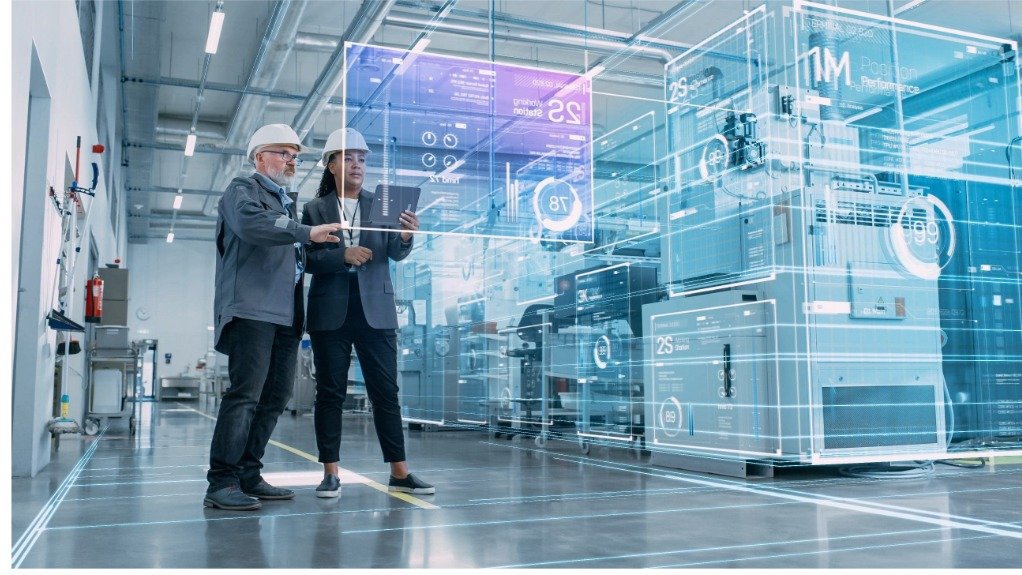
With the advent of AI, IIoT technologies, and digital twins, today’s industrial operators no longer scramble to silence alarms, they focus on how quickly they can interpret the intelligence behind them.
This is in contrast to the constant vigilance that came from manually controlling equipment. Industrial operators are now supervisors of highly autonomous systems, making strategic decisions, validating AI-driven recommendations, this all while improving operational performance.
“Instead of monitoring individual process variable, operators are now investigating anomalies, reviewing predictive maintenance alerts, analysing performance trends and so forth. They are no longer asking, how do I keep this machine running but rather, how do I optimise operations?” notes Kobus Vermeulen, Direct Sales Executive, Process Automation at Schneider Electric.
Bafana Msibi, Customer Sales Executive, Process Automation at Schneider Electric concurs: “Successful operators are not only measuring stable production but improvement in energy efficiency, asset utilisation, quality and sustainability.
“Consequently, the operator's role is becoming far more closely aligned with overall business performance.”
People are irreplaceable
Undoubtedly, AI excels recognising patterns in complex industrial data - identifying equipment failures, optimising production schedules, and detecting performance deviations faster than any human.
However, factories and processing plants rarely operate under perfectly predictable conditions. Unexpected equipment failures, changing operating environments and a myriad of variables require human intervention and judgement.
For example, a seasoned field operator may notice an unusual vibration or sound, or ever-so-slight signs of corrosion long before those conditions trigger sensor alarms. These real-world observations provide important context that data simply won’t be able to capture.
“An intelligent system may predict heat exchanger fouling or a looming compressor fault, but it is the experienced operator who verifies those predictions against real plant conditions. This continual feedback builds operational confidence and sharpens future AI models,” adds Vermeulen.
“Human expertise is the bridge between the digital representation of the plant and its physical reality,” adds Vermeulen.
Asking the right questions
Arguably, the greatest adjustment for operators is not learning how to use AI but how to effectively and efficiently work alongside it.
“AI should not be treated as the unquestionable authority but rather an intelligent advisor. Furthermore, operators must ask pertinent questions like why recommendations have been made, what variables contributed to it and what operational context might be missing,” explains Msibi.
“This will enable operators to uncover root causes rather than simply addressing symptoms, therefore, improving decision-making.”
The next-generation operator
There is no doubt that traditional technical expertise remains essential, but it is now complemented by analytical thinking, data literacy, systems understanding and cross-functional collaboration.
This means the operator of tomorrow but be comfortable interpreting predictive analytics, understanding interconnected processes, evaluating AI recommendations and communicating insights across multiple operational teams. It’s quite the ask but heralds a new era of critical and creative thinking, situational awareness and sound judgement.
Human intelligence remains the competitive advantage
The industrial sector is entering an exciting era where intelligent systems will monitor millions of data points in real time, optimise production continuously and predict problems long before they occur.
But, and this vitally important, the organisations that gain the most from these technologies will not necessarily be those with the most automation.
"The next‑generation operator will spend less time controlling equipment and more time interpreting information, validating insights, managing complexity, and making decisions that elevate safety, reliability, and performance.
“And in autonomous industrial environments, human insight may prove to be the most valuable capability of all,” Vermeulen concludes.
Article Enquiry
Email Article
Save Article
Feedback
To advertise email advertising@creamermedia.co.za or click here
Research Reports


Latest Multimedia

Latest News
Showroom
Iritron delivers advanced automation, control, and optimisation solutions to the Mining, Minerals & Metals, Consumer Package Goods and...
VISIT SHOWROOM
CMTS is a leading, well-established EC&I contractor with 37+ years of mining and industrial experience. We execute full-scope EC&I projects with...
VISIT SHOWROOM

Announcements
What's On
Subscribe to improve your user experience...
Option 1 (equivalent of R125 a month):
Receive a weekly copy of Creamer Media's Engineering News & Mining Weekly magazine
(print copy for those in South Africa and e-magazine for those outside of South Africa)
Receive daily email newsletters
Access to full search results
Access archive of magazine back copies
Access to Projects in Progress
Access to ONE Research Report of your choice in PDF format
Option 2 (equivalent of R375 a month):
All benefits from Option 1
PLUS
Access to Creamer Media's Research Channel Africa for ALL Research Reports, in PDF format, on various industrial and mining sectors
including Electricity; Water; Energy Transition; Hydrogen; Roads, Rail and Ports; Coal; Gold; Platinum; Battery Metals; etc.
Already a subscriber?
Forgotten your password?
Receive weekly copy of Creamer Media's Engineering News & Mining Weekly magazine (print copy for those in South Africa and e-magazine for those outside of South Africa)
➕
Recieve daily email newsletters
➕
Access to full search results
➕
Access archive of magazine back copies
➕
Access to Projects in Progress
➕
Access to ONE Research Report of your choice in PDF format
RESEARCH CHANNEL AFRICA
R4500 (equivalent of R375 a month)
SUBSCRIBEAll benefits from Option 1
➕
Access to Creamer Media's Research Channel Africa for ALL Research Reports on various industrial and mining sectors, in PDF format, including on:
Electricity
➕
Water
➕
Energy Transition
➕
Hydrogen
➕
Roads, Rail and Ports
➕
Coal
➕
Gold
➕
Platinum
➕
Battery Metals
➕
etc.
Receive all benefits from Option 1 or Option 2 delivered to numerous people at your company
➕
Multiple User names and Passwords for simultaneous log-ins
➕
Intranet integration access to all in your organisation