Eskom Green gears up to select private partners for initial 2 GW renewables pipeline



Eskom Green, which has now been officially launched, reports that it intends implementing an initial 2 GW pipeline of advanced utility-scale renewables projects in partnership with private investors on land mostly adjacent to the State-owned utility’s coal-fired power stations.
However, it is also moving ahead with several smaller on-balance-sheet projects that have a combined capacity of 500 MW using capital set aside in the group’s corporate plan.
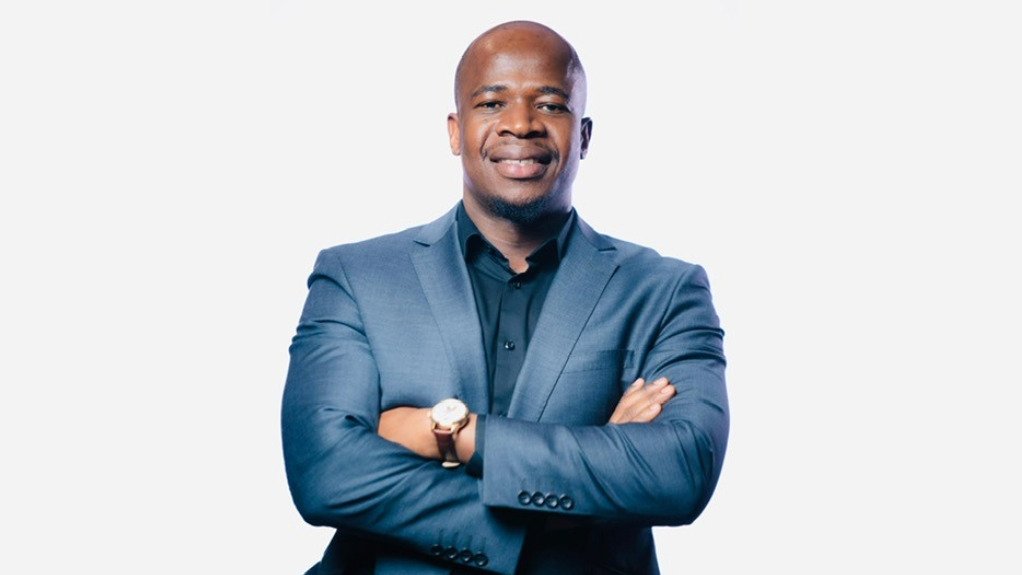
Eskom group executive for renewables Rivoningo Mnisi tells Engineering News that some R10-billion has been allocated to Eskom Green over the coming five years.
Part of this amount will be used for the initial projects that do not include private partners, including the 75 MW solar PV project that recently entered into construction alongside the Lethabo power station, in the Free State.
Eskom is funding the R1.2-billion project and has appointed the Letsatsi JV as the engineering procurement and construction partner.
Mnisi describes the Lethabo PV project, together with ones earmarked for land adjacent to Eskom’s Arnot, Duvha, Komati, Majuba, and Tutuka power stations, as well as at the Sere wind farm, as smaller “skills transfer and skills development” projects.
The next project expected to enter the execution phase will be located at the decommissioned Komati site and could include battery storage.
Since 2023, Eskom has been trading with the aid of taxpayer support extended by means of a R230-billion debt-relief package that has prevented it from investing in new generation projects.
But Mnisi says Eskom has received all the necessary authorisations to proceed with the initial developments, including from the National Treasury.
“Funding for the initial phases has been provisioned within Eskom’s approved capital expenditure programme and is expected to be supported through on-balance-sheet funding, in compliance with National Treasury debt relief conditions and without reliance on additional project-finance borrowing.”
PRIVATE SECTOR PARTICIPATION?
For the larger 2 GW pipeline, and further renewables and storage projects, including the 1.5 GW Tubatse pumped-storage project, a private sector participation model is envisaged.
Eskom Green is aiming to build 5.6 GW of renewables by 2030 across 17 projects, has set an aspiration of 32 GW by 2040 and has indicated that battery energy storage systems could be integrated into several projects.
Mnisi reports that private participation has been included as a condition for Eskom Green’s establishment as a standalone subsidiary of Eskom Holdings under Section 51G of the Public Finance Management Act.
The entity, which will have its own board, will pursue projects with private equity partners through special purpose vehicles, or SPVs, using project-finance principles and with limited recourse to Eskom’s still-fragile balance sheet.
Eskom Green is preparing to launch a request for qualifications process in the not-too-distant future to initiate the selection of private equity partners and has appointed PwC and the Development Bank of Southern Africa to advise it on the process.
The SPVs would need to secure the offtakers, the grid access, and all the other regulatory and environmental approvals required to advance the projects to financial close, with Eskom Green injecting the land.
SAME GRID-ACCESS RULES?
He also insists that Eskom Green will be subjected to the same grid-access rules as independent power producers also vying for limited grid capacity.
“We follow the same grid rules … I don't get to interact with the Grid Access Unit, and strict Chinese walls are in place.
“For the projects that we are taking to market, the team has applied and followed the necessary due process.”
Mnisi says the entity will be flexible regarding the level of equity taken in projects and confirms that it will also be seeking to access concessionary funding available under the Just Energy Transition Partnership.
Initially, the SPVs are likely to target bilateral power purchase agreements with large mining or industrial customers seeking to decarbonise their sources of electricity, but Mnisi says it is open to various models, including partnering with licensed electricity traders.
Article Enquiry
Email Article
Save Article
Feedback
To advertise email advertising@creamermedia.co.za or click here
Research Reports

Projects
Latest Multimedia
Latest News
Showroom
The Steel Tube Export Association of South Africa was established to develop sustainable, internationally competitive carbon steel tube and pipe...
VISIT SHOWROOM
Announcements
What's On
Subscribe to improve your user experience...
Option 1 (equivalent of R125 a month):
Receive a weekly copy of Creamer Media's Engineering News & Mining Weekly magazine
(print copy for those in South Africa and e-magazine for those outside of South Africa)
Receive daily email newsletters
Access to full search results
Access archive of magazine back copies
Access to Projects in Progress
Access to ONE Research Report of your choice in PDF format
Option 2 (equivalent of R375 a month):
All benefits from Option 1
PLUS
Access to Creamer Media's Research Channel Africa for ALL Research Reports, in PDF format, on various industrial and mining sectors
including Electricity; Water; Energy Transition; Hydrogen; Roads, Rail and Ports; Coal; Gold; Platinum; Battery Metals; etc.
Already a subscriber?
Forgotten your password?
Receive weekly copy of Creamer Media's Engineering News & Mining Weekly magazine (print copy for those in South Africa and e-magazine for those outside of South Africa)
➕
Recieve daily email newsletters
➕
Access to full search results
➕
Access archive of magazine back copies
➕
Access to Projects in Progress
➕
Access to ONE Research Report of your choice in PDF format
RESEARCH CHANNEL AFRICA
R4500 (equivalent of R375 a month)
SUBSCRIBEAll benefits from Option 1
➕
Access to Creamer Media's Research Channel Africa for ALL Research Reports on various industrial and mining sectors, in PDF format, including on:
Electricity
➕
Water
➕
Energy Transition
➕
Hydrogen
➕
Roads, Rail and Ports
➕
Coal
➕
Gold
➕
Platinum
➕
Battery Metals
➕
etc.
Receive all benefits from Option 1 or Option 2 delivered to numerous people at your company
➕
Multiple User names and Passwords for simultaneous log-ins
➕
Intranet integration access to all in your organisation