Building an industrial partner - Why local presence had to mean more than local sales

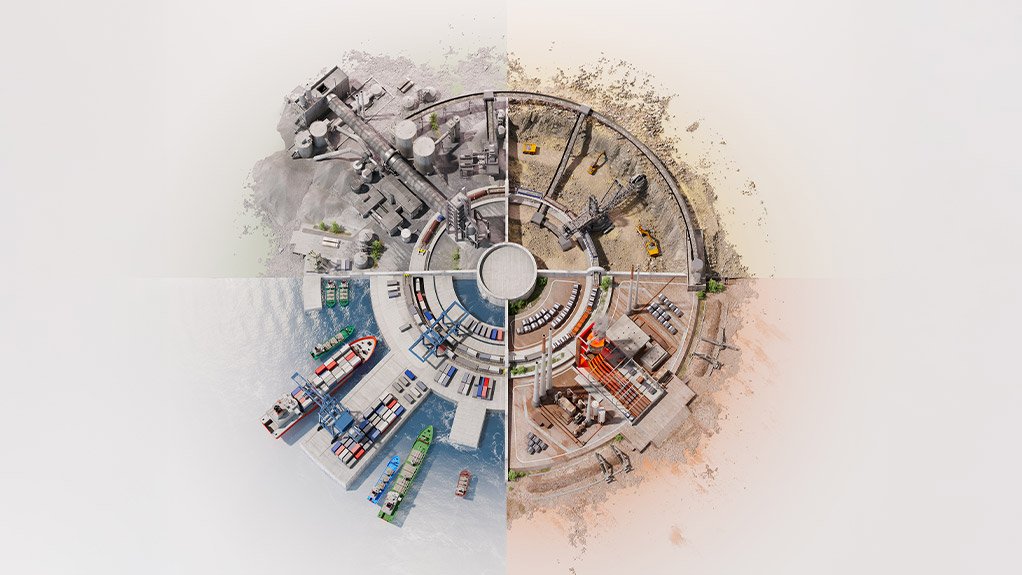
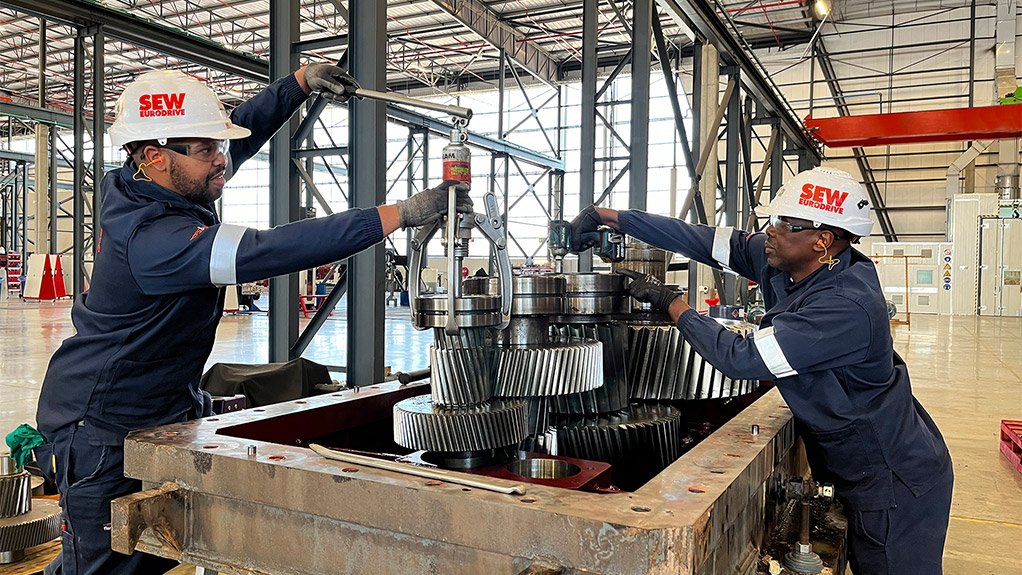
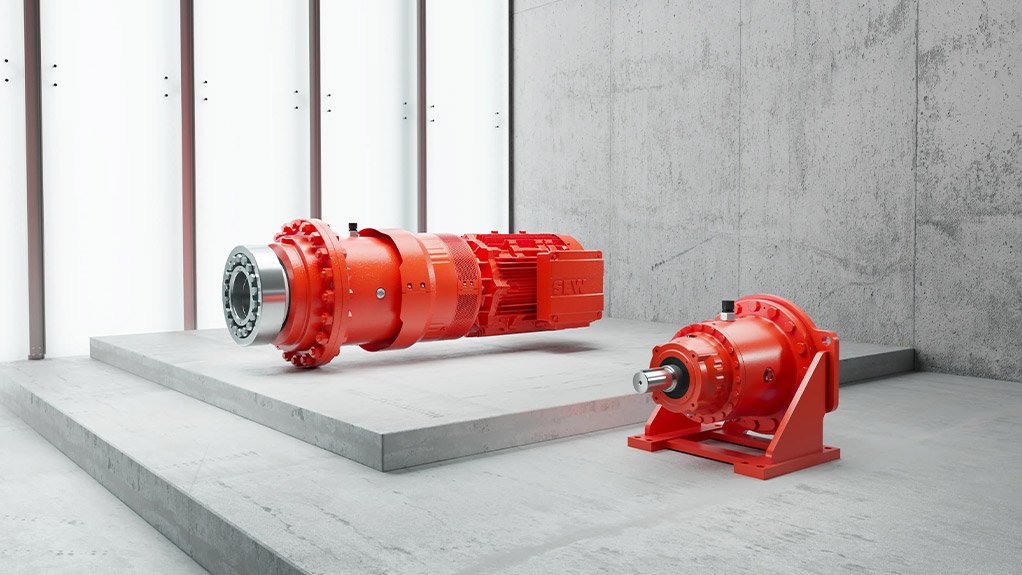
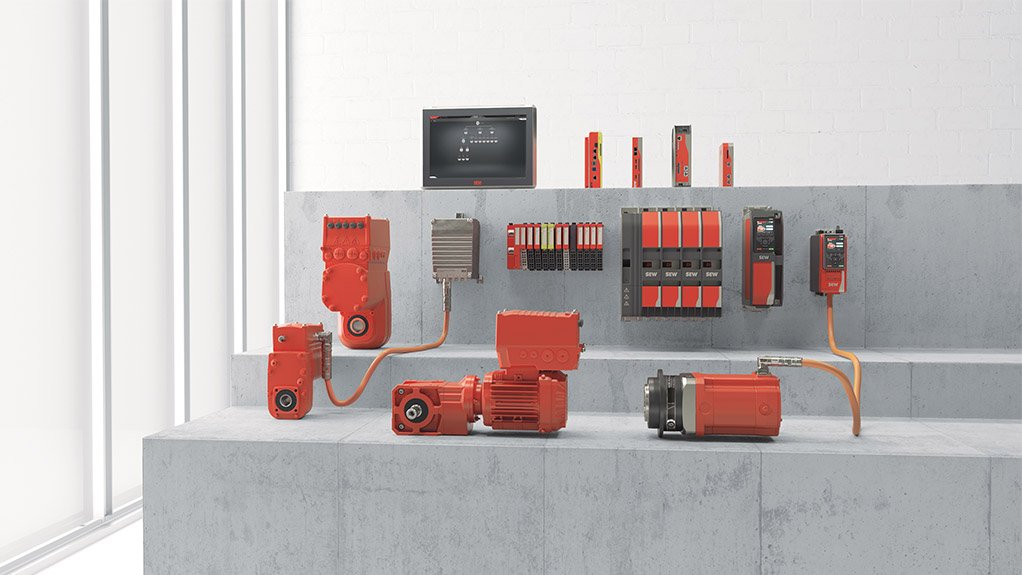



When SEW-EURODRIVE entered South Africa in 1986, the simplest approach would have been one familiar to many international equipment suppliers: importing completed products, selling technology developed elsewhere and supporting the market from a distance. Instead, the company’s wider manufacturing philosophy pointed in another direction.
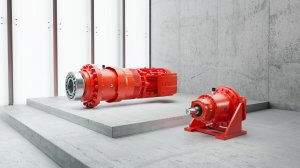
Its modular approach was based on standardised components that could be configured and assembled close to customers. Local presence, therefore, was intended to add engineering and operational value rather than simply provide a sales address. That distinction would shape the South African business.
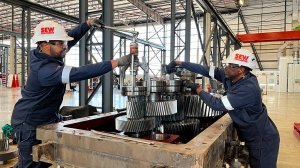
“From the outset, localisation was never intended to mean simply selling imported products from a South African office,” says SEW-EURODRIVE MD Raymond Obermeyer. “The objective was to build engineering capability close to customers so that solutions could be configured, assembled and supported locally.”
The conditions the company entered were hardly straightforward. Trade restrictions, economic uncertainty and limited access to stock meant the early operation had to make practical decisions around which components to import, how to sequence assembly and which customer requirements could realistically be met from available inventory. In effect, localisation began as necessity before becoming competitive advantage. More important, however, was the technical capability that developed alongside it.
By 1990, SEW-EURODRIVE South Africa was already moving beyond straightforward product supply towards application engineering. Engineers were assessing the operational requirement of each application, including torque, load behaviour, starts and stops, duty cycle and environmental conditions.
This matters because two applications requiring the same nominal motor power can behave very differently. A conveyor starting fully loaded imposes a different mechanical demand from one that starts empty. A drive subjected to frequent reversals or high shock loading requires different consideration from a continuously operating, steady-load application. Ambient temperature, dust, moisture, installation position and operating hours all influence the appropriate drive configuration.
It was this deeper understanding of the application that began changing the customer relationship. A catalogue supplier asks: What product do you want? An engineering partner asks first: What does the machine have to do?
“The conversation changes completely when you start with the application instead of the product,” says Obermeyer. “Understanding what the machine has to do allows you to engineer a solution around the customer’s operating conditions and needs, rather than simply supplying a standard drive.”
This is a more demanding way to sell industrial equipment because it requires technical people to spend time on site, understand the process and sometimes challenge the customer’s initial specification. It is also considerably more difficult for competitors to replicate.
“Anyone can compare products. What is much harder to replicate is the application knowledge that builds up over years of working with customers,” he says.
SEW-EURODRIVE then applied the same philosophy to its regional expansion. The objective was not simply to place another sales representative on a map, but to develop each operation around the industries in its territory.
In the Lowveld, the customer base included agriculture, forestry, timber and light industry, with mining later becoming increasingly important as Steelpoort and surrounding regions developed. In Cape Town, the business developed expertise in food and beverage, processing and port-related activity. The Port Elizabeth, now Gqeberha, operation was established in 1994 against the backdrop of a strong automotive and manufacturing base.
The rationale was to be in close proximity to the customer and the application. In drive technology, a breakdown is rarely an isolated technical problem. A failed drive can stop a conveyor feeding a crusher, halt a packaging line, idle a sawmill or interrupt an entire materials-handling system. Response time, therefore, becomes part of engineering performance.
While the product may have been designed in Germany, effective support depends on people who understand the installed equipment, the operating environment and the production demands of South African customers. Regional capability gradually provided that connection.
By the end of the company’s first 15 years, SEW-EURODRIVE had established relationships across packhouses, sawmills, food and beverage facilities and ports. More importantly, it had accumulated practical knowledge of how drive technology performed under South African operating conditions. That became the real foundation for the company’s subsequent growth – built not simply on brand recognition, but on technical expertise, customer confidence and the understanding that supporting South African industry effectively required investment close to where the equipment was actually operating.
Article Enquiry
Email Article
Save Article
Feedback
To advertise email advertising@creamermedia.co.za or click here

Latest Multimedia
Latest News

Showroom
Stewarts & Lloyds is a leading steel, tube, and engineering product supplier in South Africa.
VISIT SHOWROOM
Sulzer South Africa, established in 1922, partners with critical industries like power, oil & gas, water, mining, and chemicals to boost...
VISIT SHOWROOM
Announcements
What's On
Subscribe to improve your user experience...
Option 1 (equivalent of R125 a month):
Receive a weekly copy of Creamer Media's Engineering News & Mining Weekly magazine
(print copy for those in South Africa and e-magazine for those outside of South Africa)
Receive daily email newsletters
Access to full search results
Access archive of magazine back copies
Access to Projects in Progress
Access to ONE Research Report of your choice in PDF format
Option 2 (equivalent of R375 a month):
All benefits from Option 1
PLUS
Access to Creamer Media's Research Channel Africa for ALL Research Reports, in PDF format, on various industrial and mining sectors
including Electricity; Water; Energy Transition; Hydrogen; Roads, Rail and Ports; Coal; Gold; Platinum; Battery Metals; etc.
Already a subscriber?
Forgotten your password?
Receive weekly copy of Creamer Media's Engineering News & Mining Weekly magazine (print copy for those in South Africa and e-magazine for those outside of South Africa)
➕
Recieve daily email newsletters
➕
Access to full search results
➕
Access archive of magazine back copies
➕
Access to Projects in Progress
➕
Access to ONE Research Report of your choice in PDF format
RESEARCH CHANNEL AFRICA
R4500 (equivalent of R375 a month)
SUBSCRIBEAll benefits from Option 1
➕
Access to Creamer Media's Research Channel Africa for ALL Research Reports on various industrial and mining sectors, in PDF format, including on:
Electricity
➕
Water
➕
Energy Transition
➕
Hydrogen
➕
Roads, Rail and Ports
➕
Coal
➕
Gold
➕
Platinum
➕
Battery Metals
➕
etc.
Receive all benefits from Option 1 or Option 2 delivered to numerous people at your company
➕
Multiple User names and Passwords for simultaneous log-ins
➕
Intranet integration access to all in your organisation