Why rising costs are rewriting mining competitiveness across Africa

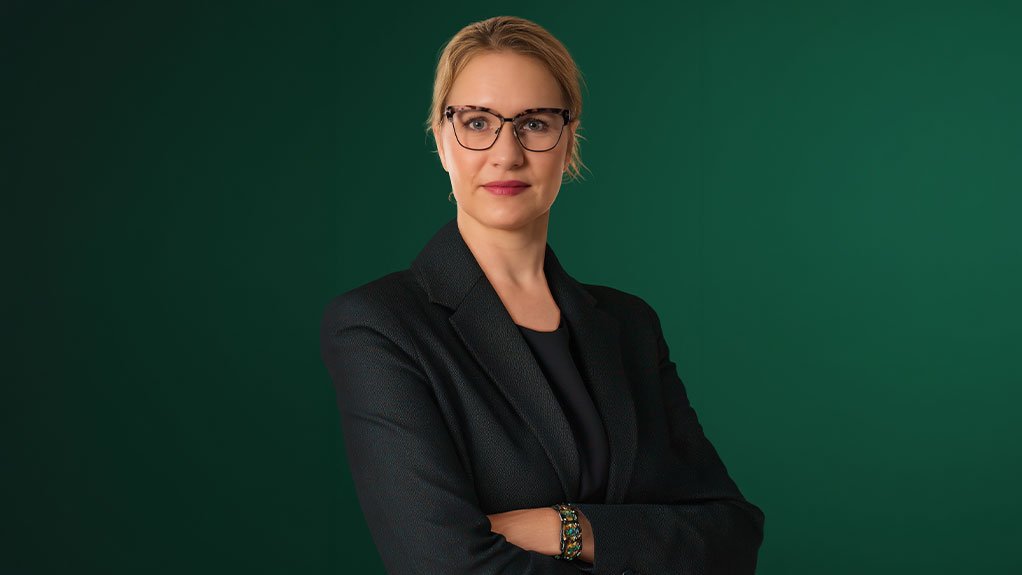
Cathy Nader is the Principal of Mining and Critical Minerals at Nedbank Corporate and Investment Banking



Rising costs are reshaping mining competitiveness, and miners who protect margins will now determine which operations remain viable through the next cycle.
Mining leaders across the continent are grappling with a cost environment that has shifted more in the past 5 years than in the preceding decade. Conversations that once centred on market outlooks now focus on how to stay competitive when input costs rise faster than commodity prices. Strong commodity markets can suggest favourable conditions, yet inside operations, the picture is different, with margins tightening, decision cycles shortening, and the room for error narrowing as structural costs continue to climb.
Cost escalation, once seen as cyclical, is now embedded in the operating environment. Energy inflation continues to drive up costs regardless of market conditions. At the same time, logistics constraints, overlapping replacement cycles, labour intensity, contractor pricing, and regulatory requirements have created cost curves that vary widely across jurisdictions. Stronger prices often obscure the severity of these pressures, creating a false sense of security and enabling cost creep when discipline should be at its highest.
Operational pressures are playing out unevenly across assets, complicating how companies respond to rising structural costs. Some mines remain tied to legacy cost bases that were manageable a few years ago but are now difficult to sustain. Others face supply-chain volatility that pushes out equipment lead times, inflates input prices, and disrupts planning cycles. Added layers of royalties and compliance continue to reshape economics. Leadership teams are spending more time distinguishing between structural pressures and those that may ease over time and determining where different choices could restore competitiveness.
Given these uneven pressures, leadership attention is shifting to the capital choices that determine whether an operation becomes more resilient or exposed as conditions tighten. Investment decisions influence operational strength long before the market turns, and reinvestment enhances competitiveness only when applied with discipline. Periods of strong prices can dilute that discipline as assumptions widen, scopes expand, and approvals lose the scrutiny necessary to protect the balance sheet through weaker cycles. Leadership teams are testing each allocation against productivity gains, operating-cost reductions, or extensions to mine life to ensure capital strengthens the business.
Companies are assessing capital projects with greater precision. Leadership teams want clearer links between capital spent and measurable outcomes. They expect to see how a processing upgrade, fleet renewal, or digital application will reduce unit costs, shorten cycle times, or improve recoveries. Without strong evidence of productivity benefits, capital becomes a risk rather than a lever for operational stability.
Technology plays a role in this discussion, although the returns vary widely. The question is whether it delivers measurable, sustainable improvements. Productivity gains matter only when they translate into reduced downtime, better recoveries, lower energy consumption, or safer, more predictable operating conditions. The strongest results come from operations where technology is integrated into planning and execution rather than added without a clear link to performance.
Internal alignment now plays a central role in cost competitiveness. More mining companies are establishing cross-functional cost groups that bring together finance, engineering, commercial, and operational teams in the same discussion. These groups help map cost curves more accurately, identify risks earlier, and build a shared understanding of where value is created or lost. The outcome is a tighter decision that strengthens long-term resilience rather than relieving near-term pressure at the expense of future stability.
A similar discipline is shaping how miners approach margin protection, particularly in high-cost environments where size alone no longer guarantees resilience. Some leadership teams are delaying expansionary capital until productivity improves, while others are accelerating targeted reinvestment to reduce operating costs. The preference is for actions that strengthen an operation’s position across the full cycle rather than offering relief only during favourable price periods.
This focus on discipline extends to financial partners. Nedbank Corporate and Investment Banking's (CIB) approach centres on long-term resilience by examining how companies respond to cost escalation, prioritise capital, and measure productivity improvements. Scenario testing of cost curves, support in mapping productivity pathways before capital approval, and a clear emphasis on protecting margin integrity all help companies withstand volatility. When leadership teams demonstrate consistent discipline, it becomes easier to support operational plans across different phases of the cycle.
The divide between resilient and vulnerable operations becomes sharper when costs rise faster than prices. Companies that endure tend to understand their cost curves in detail, reinvest with intent, maintain depth in their technical teams, and keep decision-making disciplined even when markets turn favourable. They are also more selective about where they compete, recognising that resilience often involves walking away from opportunities where cost structures cannot support long-term value.
Operational excellence and financial clarity determine whether an operation can deliver consistent returns through a complete price cycle rather than thriving only in peak years.
Those who navigate this period will be the leaders who combine technical capability with measured, evidence-based financial decisions that protect operational health while strengthening margins for the next cycle.
About the author: Cathy Nader is the Principal of Mining and Critical Minerals at Nedbank Corporate and Investment Banking.
Article Enquiry
Email Article
Save Article
Feedback
To advertise email advertising@creamermedia.co.za or click here
Research Reports
Projects

Latest Multimedia
Latest News
Showroom
AxFlow AQS Liquid Transfer (Pty) Ltd is an Importer and Distributor of Pumps in Southern Africa
VISIT SHOWROOM
EIMS is an independent specialised environmental consulting firm offering the full spectrum of environmental management services across all sectors...
VISIT SHOWROOM
Announcements
What's On
Subscribe to improve your user experience...
Option 1 (equivalent of R125 a month):
Receive a weekly copy of Creamer Media's Engineering News & Mining Weekly magazine
(print copy for those in South Africa and e-magazine for those outside of South Africa)
Receive daily email newsletters
Access to full search results
Access archive of magazine back copies
Access to Projects in Progress
Access to ONE Research Report of your choice in PDF format
Option 2 (equivalent of R375 a month):
All benefits from Option 1
PLUS
Access to Creamer Media's Research Channel Africa for ALL Research Reports, in PDF format, on various industrial and mining sectors
including Electricity; Water; Energy Transition; Hydrogen; Roads, Rail and Ports; Coal; Gold; Platinum; Battery Metals; etc.
Already a subscriber?
Forgotten your password?
Receive weekly copy of Creamer Media's Engineering News & Mining Weekly magazine (print copy for those in South Africa and e-magazine for those outside of South Africa)
➕
Recieve daily email newsletters
➕
Access to full search results
➕
Access archive of magazine back copies
➕
Access to Projects in Progress
➕
Access to ONE Research Report of your choice in PDF format
RESEARCH CHANNEL AFRICA
R4500 (equivalent of R375 a month)
SUBSCRIBEAll benefits from Option 1
➕
Access to Creamer Media's Research Channel Africa for ALL Research Reports on various industrial and mining sectors, in PDF format, including on:
Electricity
➕
Water
➕
Energy Transition
➕
Hydrogen
➕
Roads, Rail and Ports
➕
Coal
➕
Gold
➕
Platinum
➕
Battery Metals
➕
etc.
Receive all benefits from Option 1 or Option 2 delivered to numerous people at your company
➕
Multiple User names and Passwords for simultaneous log-ins
➕
Intranet integration access to all in your organisation