


What Consumers Need to Know About Sanitizing and Germicidal Devices

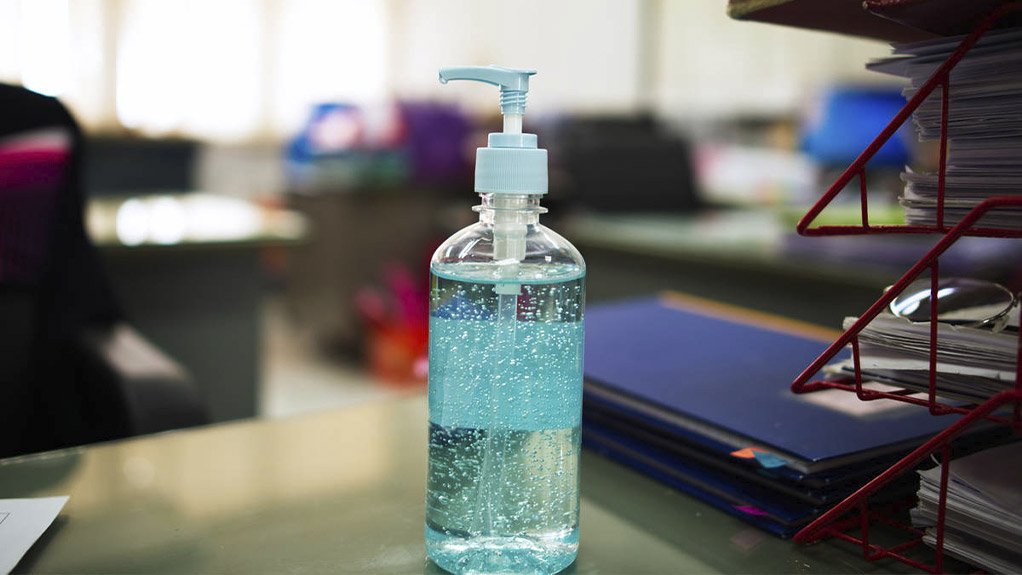


Due to the demand for sanitizing and germicidal capabilities in the face of COVID-19, many new products have reached the market. It’s important to evaluate how save they are.
As the COVID-19 pandemic persists, communities around the world continue to demonstrate heightened interest in solutions that effectively disinfect. With options ranging from UV devices to disinfectants and sanitizers, it’s important to consider the safety and proper usage of any of these products in addition to their ability to effectively kill pathogens.
First, it’s important to note that products that sanitize, disinfect or have germicidal capabilities are classified as pesticides and regulated by the U.S. Environmental Protection Agency (EPA). According to the EPA website, a pesticide is any substance or mixture of substances intended for:
-
preventing, destroying, repelling, or mitigating any pest (including bacteria and viruses)
-
use as a plant regulator, defoliant, or desiccant
-
use as a nitrogen stabilizer
As a result, both disinfectants and sanitizers, which are designed to kill pathogens, fall under this classification. As pesticides, these products must be registered with the U.S. EPA and are subject to regulatory review and labeling guidelines prior to sale in the United States.
Similar to EPA registration for pesticides, some sanitizers are regulated by the Federal Drug Administration (FDA) and are intended to prevent disease.
Recently, new types of products have appeared on the market, each intended to sanitize and/or disinfect yet with different approaches. These include portable devices that spray a substance, floor-standing or wall-mounted devices that dispense a substance, and even tunnel type devices that create a mist as people walk through them.
UL has 126 years of history evaluating products for fire, electrical and personal injury safety including products used by professionals to disinfect. More recently, new products and new applications have been developed that are intended for the use of pesticides/disinfectants by the general public, where the substance may come into contact with people either inadvertently or intentionally.
To assist in our evaluation of products, UL relies on governments to define what pesticides/disinfectants are appropriate for uses where individuals may come into contact with the pesticide/disinfectant. For instance, if you look at a label for insect repellant or disinfectant spray, you may find warnings that it is hazardous to humans when not used properly, first aid directions if it gets in your eyes and a directive to call the poison center if swallowed.
This practice helps to determine if a disinfectant is suitable for the intended use. For instance, for a tunnel type device used at the entrance to a building, there may be a large variety of people passing through the device. This could include infants, people with allergies, the elderly and those with certain medical conditions. Unless reliable site safeguards are in place, a disinfectant used in this environment must be suitable for use when exposed to any of these people, since you have no control over who will pass through the tunnel.
For instance, one of the active ingredients that the EPA recommends for COVID-19 is hydrochloric acid. In reviewing the list of substances containing this ingredient that are registered with the EPA, most of them have a contact time of 10 minutes and are intended for hard surfaces. Clothing and people are not hard surfaces, so the use of this substance in a spray tunnel would not be appropriate.
Another concern is risk of fire when a substance is intended to be sprayed in a room or onto other products, which may result in contact with electrical appliances. An increased risk of fire might exist if the substance is sprayed near a spark or hot surface. To help address this risk, UL considers the flammability or flash point of the disinfectant used.
Users can take several steps to mitigate risk.
- Check labels to verify that the substance is registered and approved for the prescribed usage.
- Select products with a reputable certification mark, such as UL on equipment or UL ECOLOGO on cleaning products or sanitizers for confidence that the product is in compliance and safe for recommended usage.
- Read labels carefully and follow instructions.
UL promotes a better understanding of the risks inherent with consumer-facing germicidal devices and products as a part of our commitment to helping achieve safe living and working environments.
https://www.ul.com/news/what-consumers-need-know-about-sanitizing-and-germicidal-devices
Empowering Trust UL Southern Africa
Article Enquiry
Email Article
Save Article
Feedback
To advertise email advertising@creamermedia.co.za or click here
Research Reports

Projects


Latest Multimedia


Latest News


Showroom

Established in 1933, EKATO is the world leader in agitation technology, supplying agitators for processes and applications such as chemicals and...
VISIT SHOWROOM
Developed to exceed the latest EN 15964 standards for police breathalysers proving that it will remain accurate and reliable for many years to come.
VISIT SHOWROOM


Announcements
What's On
Subscribe to improve your user experience...
Option 1 (equivalent of R125 a month):
Receive a weekly copy of Creamer Media's Engineering News & Mining Weekly magazine
(print copy for those in South Africa and e-magazine for those outside of South Africa)
Receive daily email newsletters
Access to full search results
Access archive of magazine back copies
Access to Projects in Progress
Access to ONE Research Report of your choice in PDF format
Option 2 (equivalent of R375 a month):
All benefits from Option 1
PLUS
Access to Creamer Media's Research Channel Africa for ALL Research Reports, in PDF format, on various industrial and mining sectors
including Electricity; Water; Energy Transition; Hydrogen; Roads, Rail and Ports; Coal; Gold; Platinum; Battery Metals; etc.
Already a subscriber?
Forgotten your password?
Receive weekly copy of Creamer Media's Engineering News & Mining Weekly magazine (print copy for those in South Africa and e-magazine for those outside of South Africa)
➕
Recieve daily email newsletters
➕
Access to full search results
➕
Access archive of magazine back copies
➕
Access to Projects in Progress
➕
Access to ONE Research Report of your choice in PDF format
RESEARCH CHANNEL AFRICA
R4500 (equivalent of R375 a month)
SUBSCRIBEAll benefits from Option 1
➕
Access to Creamer Media's Research Channel Africa for ALL Research Reports on various industrial and mining sectors, in PDF format, including on:
Electricity
➕
Water
➕
Energy Transition
➕
Hydrogen
➕
Roads, Rail and Ports
➕
Coal
➕
Gold
➕
Platinum
➕
Battery Metals
➕
etc.
Receive all benefits from Option 1 or Option 2 delivered to numerous people at your company
➕
Multiple User names and Passwords for simultaneous log-ins
➕
Intranet integration access to all in your organisation

