The heritage South Africans share with electric vehicles



This article has been supplied and will be available for a limited time only on this website.
SOUTH AFRICANS marked Heritage Day recently, whilst also an opportunity to reflect on the country's electric vehicle history, and what it will take to write the next chapter.
The James Hall Museum of Transport in Johannesburg is the largest and most comprehensive land transport museum in Africa, tracing SA's transport journey from animal-drawn vehicles in 1870, through trams and trolley buses from 1896, to motor cars from 1900. It also houses much of the country's electric vehicle history.
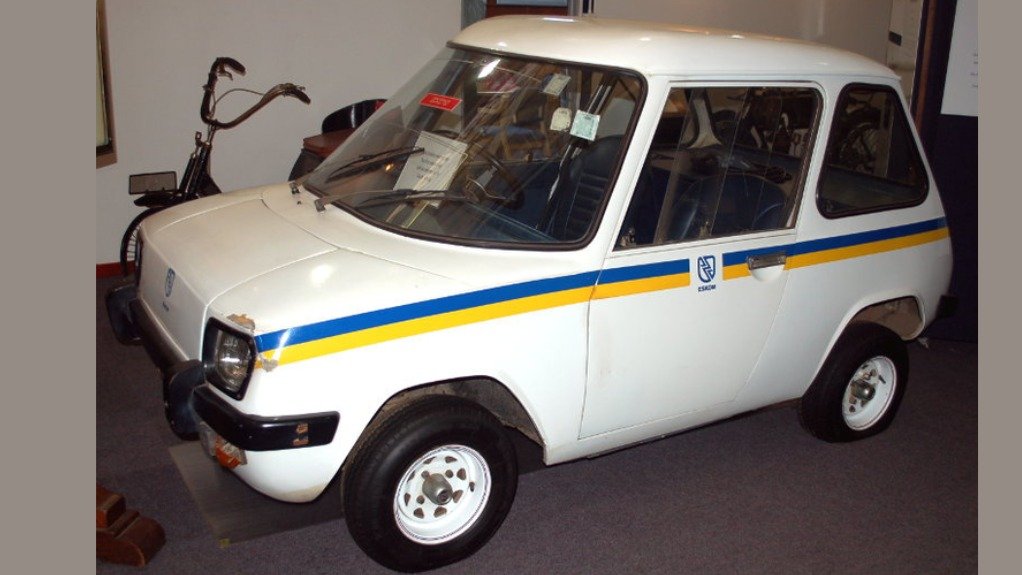
The collection includes the 1974 Enfield 8000, the first electrically self-powered car in South Africa. Haggie Rand brought the vehicle into the country in 1974 to promote and expand a chloride battery project. In 1992, a Mr B Pollock championed its environmental benefits, and in 1994 Eskom launched its electric vehicle project with this car before later donating it to the museum.
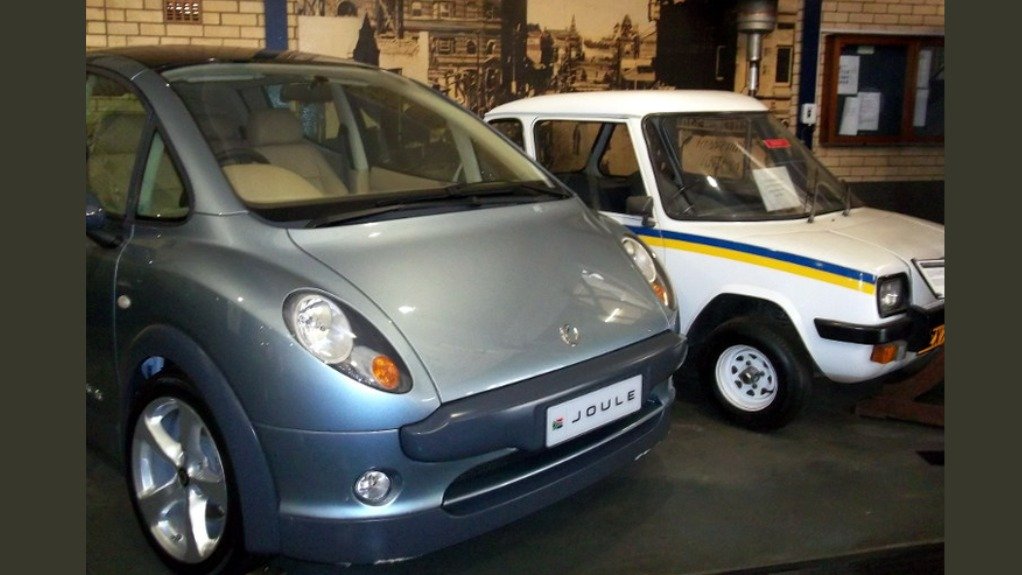
It stands beside the Joule, a five-seater electric vehicle developed by Optimal Energy. The Cape Town-based company was founded in 2005, and closed in June 2012, but the Joule remains a reminder that South African engineers were designing electric vehicles well before the global market took off.
The commercial era for electric vehicles began in November 2013, when the Nissan Leaf became the first battery electric vehicle sold in South Africa. That has grown to a marketplace offering buyers more than 50 different passenger battery electric vehicle models today.
“Heritage is not simply where we have been, it is also what we choose to build next. South Africa has been part of the electric vehicle story for fifty years,” says Hiten Parmar, Executive Director of The Electric Mission. “Now we have the chance to make these vehicles here, for our own roads, and for the world.”
South Africa has a 102-year history of automotive manufacturing but no zero-emission vehicles, whether battery electric or hydrogen, are assembled or manufactured locally. The United Kingdom and European Union, South Africa's primary vehicle export markets, are moving to zero-emission mandates for 2030 and 2035. South Africa’s long standing policy frameworks to date have secured global investments for combustion engine technologies, traditional hybrids, and plug-in hybrid vehicle manufacturing in South Africa. Recently, the incentive framework has presented the first signal to global manufacturers, and since March 2026, Section 12V of the Income Tax Act has given qualifying vehicle manufacturers a 150 percent tax deduction on capital investments in producing electric and hydrogen-powered vehicles, creating a incentive pathway to bring zero-emission vehicle production to South African soil.
“Globally, the sale of internal combustion engine vehicles has already peaked in 2017, and today, more evidently, consumers are using their purchasing power under volatile fuel prices with the transition to electric vehicles,” says Parmar. For local market readiness, according to the International Energy Agency’s report, South Africa ranks within the top 25 globally for the average number of electric vehicles per public charging point. Overall, the total cost of ownership for electric vehicles, which factors in purchase cost, operational and maintenance costs, presents clear economics for consumers and businesses to switch to electric vehicles.
Alongside our automotive heritage, South Africans are encouraged to visit the James Hall Museum of Transport to see where the country's electric journey began, as South Africa’s roads increasingly converge with electric vehicles.
Article Enquiry
Email Article
Save Article
Feedback
To advertise email advertising@creamermedia.co.za or click here
Research Reports
Projects
Latest Multimedia
Latest News
Showroom
For over 30 years, Werner South Africa Pumps & Equipment (PTY) LTD has been designing, manufacturing, supplying and maintaining specialist...
VISIT SHOWROOM
Sika South Africa is a trusted partner for the nation’s infrastructure, commercial, residential, and industrial sectors.
VISIT SHOWROOM



Press Office
Announcements
What's On
Subscribe to improve your user experience...
Option 1 (equivalent of R125 a month):
Receive a weekly copy of Creamer Media's Engineering News & Mining Weekly magazine
(print copy for those in South Africa and e-magazine for those outside of South Africa)
Receive daily email newsletters
Access to full search results
Access archive of magazine back copies
Access to Projects in Progress
Access to ONE Research Report of your choice in PDF format
Option 2 (equivalent of R375 a month):
All benefits from Option 1
PLUS
Access to Creamer Media's Research Channel Africa for ALL Research Reports, in PDF format, on various industrial and mining sectors
including Electricity; Water; Energy Transition; Hydrogen; Roads, Rail and Ports; Coal; Gold; Platinum; Battery Metals; etc.
Already a subscriber?
Forgotten your password?
Receive weekly copy of Creamer Media's Engineering News & Mining Weekly magazine (print copy for those in South Africa and e-magazine for those outside of South Africa)
➕
Recieve daily email newsletters
➕
Access to full search results
➕
Access archive of magazine back copies
➕
Access to Projects in Progress
➕
Access to ONE Research Report of your choice in PDF format
RESEARCH CHANNEL AFRICA
R4500 (equivalent of R375 a month)
SUBSCRIBEAll benefits from Option 1
➕
Access to Creamer Media's Research Channel Africa for ALL Research Reports on various industrial and mining sectors, in PDF format, including on:
Electricity
➕
Water
➕
Energy Transition
➕
Hydrogen
➕
Roads, Rail and Ports
➕
Coal
➕
Gold
➕
Platinum
➕
Battery Metals
➕
etc.
Receive all benefits from Option 1 or Option 2 delivered to numerous people at your company
➕
Multiple User names and Passwords for simultaneous log-ins
➕
Intranet integration access to all in your organisation