



Tetra Pak is making good progress towards its 2020 environmental goals



This article has been supplied.
Company Announcement - Tetra Pak made further progress towards its 2020 environmental goals during 2014, passing several important milestones in its journey to develop sustainable products, reduce the environmental footprint of the value chain, and increase recycling.
Sustainable products
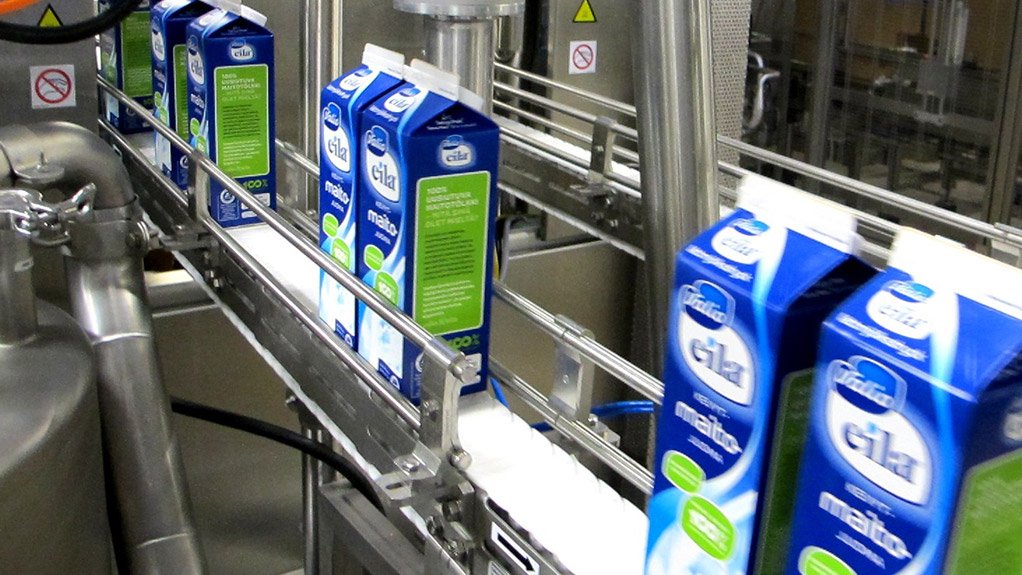
Tetra Pak launched the world’s first fully renewable carton package, the Tetra Rex bio-based carton, in 2014. It is made solely from paperboard and plant-based plastics, including the TwistCap OSO 34 bio-based opening, and the package is currently undergoing trials with Finnish dairy producer, Valio, in retail outlets across the country. Tetra Pak secured Forest Stewardship Council Chain of Custody certification for the last seven of its 92 facilities and legal entities worldwide. This means that the company can deliver FSC-labelled packages from anywhere in the world, marking an important step towards its goal of using only FSC-certified paperboard in all of its products.
The company delivered almost 44 billion FSC-labelled packages to customers worldwide during 2014, which is 38% higher than in 2013. Tetra Pak has also produced more than 130 billion packages bearing the FSC logo since unveiling its first one in 2007.
Environmental footprint
Data validated midway through 2014 showed CO2 emissions across all parts of the Tetra Pak value chain down by 8% from a 2010 baseline, despite a 7% increase in production over the same time frame. The business remains well on track towards its 2020 goal of capping climate impact across the value chain at 2010 levels despite growing the business. The company continues to keep CO2e emissions below its 2010 target threshold. Emissions were 1,5% lower in 2014 than in 2010, while production levels were up 13%.
Tetra Pak’s ratings from the Carbon Disclosure Project climbed significantly during 2014. The company’s Carbon Disclosure score increased from 91 to 97, against an industry average of 53, while its Carbon Performance rating was A–, up from a B rating in 2013 and compared with an industry average of C.
Tetra Pak introduced a number of new food processing and packaging solutions to help customers reduce their own environmental impact, while also improving their operational efficiency. These included:
- The Tetra Therm Aseptic Flex, a continuous aseptic processing unit that offers dairy producers the highest levels of UHT performance at the lowest environmental impact and total cost of ownership;
- A new high-acid juice pasteurisation process that can save manufacturers up to 20% of energy consumption, by reducing the temperature of the second pasteurisation process from 95°C to 80°C, without compromising the safety or quality of the finished product;
- An Environmental Benchmarking Service to help food and beverage companies assess the environmental performance of their production operations, and to identify opportunities for improvement; and
- A broader range of bio-based caps and closures. Depending on type, a bio-based cap reduces CO2 emissions by between 14 and 19% compared with its fossil fuel-derived equivalent.
Recycling
Tetra Pak’s recycling efforts continued to progress. In 2014, 651 000 tonnes of used beverage cartons were recycled globally, up from 623 000 tonnes in the previous year. This represents 26% of the company’s annual delivery, which is relatively low compared with the 2020 target of 40%. However, the company remains committed and is working with its partners to address the challenges such as the lack of infrastructure in emerging markets.
The company introduced Tetra Top with Separable Top for both chilled and ambient products to support the recycling process. The package, with its familiar plastic top and carton sleeve, is now designed in a way that allows consumers to simply and quickly detach the top from the sleeve once empty, allowing them to be recycled separately.
“We remain largely on track to achieve the ambitious environmental targets we set for ourselves,” says Rodney Reynders, environment Africa and Middle East cluster leader at Tetra Pak. “We know that environmental impact is an important part of our business, which is why we emphasise this aspect of our operations as we seek growth while operating responsibly to protect the future of the planet as we deliver products and services that support and help our customers do likewise.”
Article Enquiry
Email Article
Save Article
Feedback
To advertise email advertising@creamermedia.co.za or click here
Research Reports

Projects
Latest Multimedia
Latest News
Showroom

Rooted in the hearts of South Africans, combining technology and a quest for perfection to bring you a battery of peerless standing. Willard...
VISIT SHOWROOM
SafeQuip is a leading distributor and manufacturer of fire safety solutions, offering a comprehensive range of products designed to meet all...
VISIT SHOWROOM

Announcements
What's On
Subscribe to improve your user experience...
Option 1 (equivalent of R125 a month):
Receive a weekly copy of Creamer Media's Engineering News & Mining Weekly magazine
(print copy for those in South Africa and e-magazine for those outside of South Africa)
Receive daily email newsletters
Access to full search results
Access archive of magazine back copies
Access to Projects in Progress
Access to ONE Research Report of your choice in PDF format
Option 2 (equivalent of R375 a month):
All benefits from Option 1
PLUS
Access to Creamer Media's Research Channel Africa for ALL Research Reports, in PDF format, on various industrial and mining sectors
including Electricity; Water; Energy Transition; Hydrogen; Roads, Rail and Ports; Coal; Gold; Platinum; Battery Metals; etc.
Already a subscriber?
Forgotten your password?
Receive weekly copy of Creamer Media's Engineering News & Mining Weekly magazine (print copy for those in South Africa and e-magazine for those outside of South Africa)
➕
Recieve daily email newsletters
➕
Access to full search results
➕
Access archive of magazine back copies
➕
Access to Projects in Progress
➕
Access to ONE Research Report of your choice in PDF format
RESEARCH CHANNEL AFRICA
R4500 (equivalent of R375 a month)
SUBSCRIBEAll benefits from Option 1
➕
Access to Creamer Media's Research Channel Africa for ALL Research Reports on various industrial and mining sectors, in PDF format, including on:
Electricity
➕
Water
➕
Energy Transition
➕
Hydrogen
➕
Roads, Rail and Ports
➕
Coal
➕
Gold
➕
Platinum
➕
Battery Metals
➕
etc.
Receive all benefits from Option 1 or Option 2 delivered to numerous people at your company
➕
Multiple User names and Passwords for simultaneous log-ins
➕
Intranet integration access to all in your organisation

