Technology, safety programme would improve operations

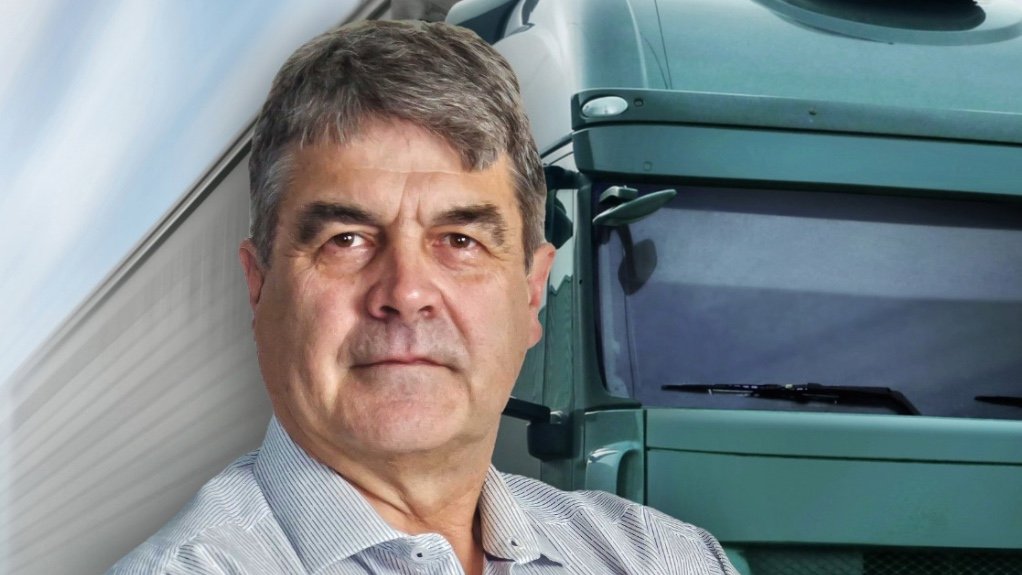
GAVIN KELLY A system must be created to safeguard truck operators, road users, vehicles and road infrastructure
SAFER ECOSYSTEM Increased buy-in from the industry and regulators is needed to address issues, including a lack of enforcement, infrastructural decline, labour abuse and fatigue risk




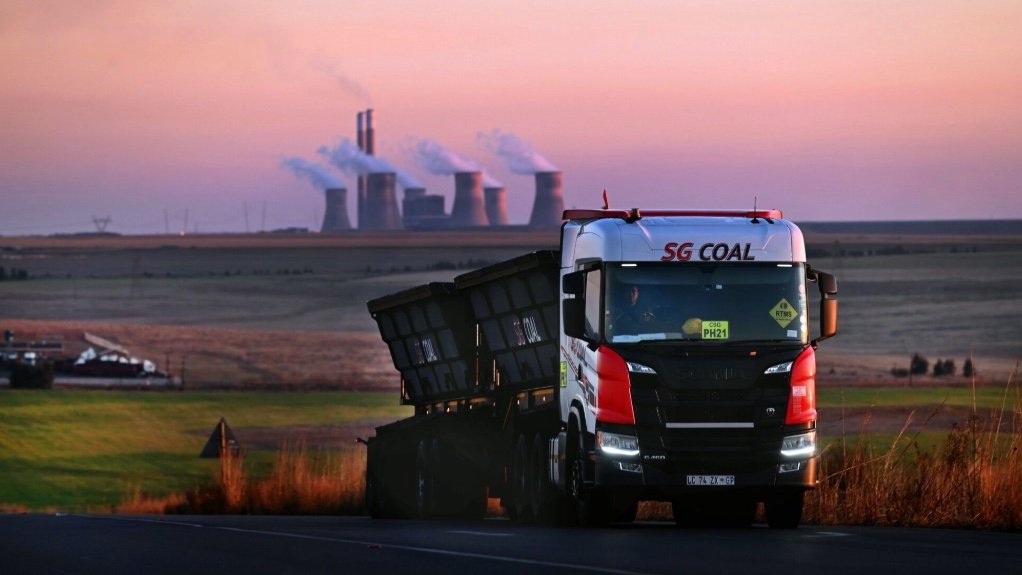
Road freight operators with truck fleets should proactively seek to combat ongoing safety concerns in the country by integrating modern technologies into their fleets while implementing a safety programme for truck drivers, says freight industry organisation Road Freight Association (RFA) CEO Gavin Kelly.
He believes that too many non-compliant operators are “cutting corners” and creating risks for other logistics providers, consequently undermining the work of responsible operators that invest in maintenance, training, lawful employment practices and safe operations.
Kelly suggests, therefore, that truck and driver safety must be prioritised to create a system that safeguards operators and road users’ lives, their vehicles and road infrastructure.
“Truck safety must be approached in a serious and systematic way. It cannot be reduced to a seasonal campaign or a slogan. If we want safer roads, then we need safer vehicles, safer operating practices, proper enforcement, realistic scheduling and better support for drivers,” he elaborates.
Fatigue and Unroadworthy Trucks
Driver fatigue and unroadworthy vehicles are persistent challenges for the logistics sector. Fatigue is an operational and labour issue that has become a “built-in” feature for some organisations, as drivers are often expected to work excessive hours to meet unrealistic turnaround times, says Kelly.
“Many of the risks on our roads come from operators who fail to maintain vehicles properly, overload vehicles, ignore safety standards or operate outside the formal systems that are meant to protect both workers and road users,” he adds.
He asserts that responsible operators should not have to compete against businesses whose unlawful conduct causes societal and operational harm.
Therefore, a safety programme with practical pillars that effectively serve the entire logistics sector should be implemented nationally. Such a programme should include proper vehicle maintenance and roadworthiness testing; fatigue management and driver wellness; ongoing driver training; visible and fair load safety enforcement; as well as stronger punitive action against repeat offenders.
“It must involve law enforcement authorities, operators, industry bodies, employers and supply chain partners. It is not enough to tell drivers to be safe – the system must ensure that safe behaviour is possible and enforceable.”
Kelly suggests that increased buy-in from the industry and regulators is needed
; however, until such buy-in occurs, responsible operators can use modern technologies to minimise or eliminate some of their concerns.
Fleet Management and Safety
Kelly says one of the most prominent technological advances in driver safety is modern telematics, which generate insights into companies’ fleet operations and create intervention measures for high-risk driving behaviours or patterns.
For example, modern telematics enables operators to monitor speed, harsh braking, route behaviour, driver hours, fuel use and certain aspects of vehicle health in real- or near real time.
Driver assistance systems, such as blind-spot monitoring systems, emergency braking support, forward collision alerts, lane departure warnings and stability systems, help to improve safety.
“Other important developments include predictive maintenance systems, smarter trailer and load monitoring systems, route geofencing, camera systems and improved data integration across fleet platforms. Over time, these technologies can help to create a more disciplined, evidence-based approach to safety and compliance,” he notes.
Vehicles will always carry a degree of risk on South Africa’s roads; however, using available technologies and fostering political will to create better-maintained, safer and more sustainable road infrastructure will significantly reduce the risk profile.
“The current situation is not sustainable if the wider logistics system does not improve . . . The message from the RFA is that we are ready to work to improve the system, but the focus must be on implementation, not just discussion,” Kelly concludes.
Article Enquiry
Email Article
Save Article
Feedback
To advertise email advertising@creamermedia.co.za or click here



Latest Multimedia


Latest News

Showroom

Mitsubishi Chemical Advanced Materials South Africa (Pty) Ltd is a leading manufacturer of high-performance engineering plastics for the mining...
VISIT SHOWROOM
Rentech provides renewable energy products and services to the local and selected African markets. Supplying inverters, lithium and lead-acid...
VISIT SHOWROOM



Announcements
What's On
Subscribe to improve your user experience...
Option 1 (equivalent of R125 a month):
Receive a weekly copy of Creamer Media's Engineering News & Mining Weekly magazine
(print copy for those in South Africa and e-magazine for those outside of South Africa)
Receive daily email newsletters
Access to full search results
Access archive of magazine back copies
Access to Projects in Progress
Access to ONE Research Report of your choice in PDF format
Option 2 (equivalent of R375 a month):
All benefits from Option 1
PLUS
Access to Creamer Media's Research Channel Africa for ALL Research Reports, in PDF format, on various industrial and mining sectors
including Electricity; Water; Energy Transition; Hydrogen; Roads, Rail and Ports; Coal; Gold; Platinum; Battery Metals; etc.
Already a subscriber?
Forgotten your password?
Receive weekly copy of Creamer Media's Engineering News & Mining Weekly magazine (print copy for those in South Africa and e-magazine for those outside of South Africa)
➕
Recieve daily email newsletters
➕
Access to full search results
➕
Access archive of magazine back copies
➕
Access to Projects in Progress
➕
Access to ONE Research Report of your choice in PDF format
RESEARCH CHANNEL AFRICA
R4500 (equivalent of R375 a month)
SUBSCRIBEAll benefits from Option 1
➕
Access to Creamer Media's Research Channel Africa for ALL Research Reports on various industrial and mining sectors, in PDF format, including on:
Electricity
➕
Water
➕
Energy Transition
➕
Hydrogen
➕
Roads, Rail and Ports
➕
Coal
➕
Gold
➕
Platinum
➕
Battery Metals
➕
etc.
Receive all benefits from Option 1 or Option 2 delivered to numerous people at your company
➕
Multiple User names and Passwords for simultaneous log-ins
➕
Intranet integration access to all in your organisation