



South Africans Under Attack: How To Protect Yourself From Real Estate Cyber Threats

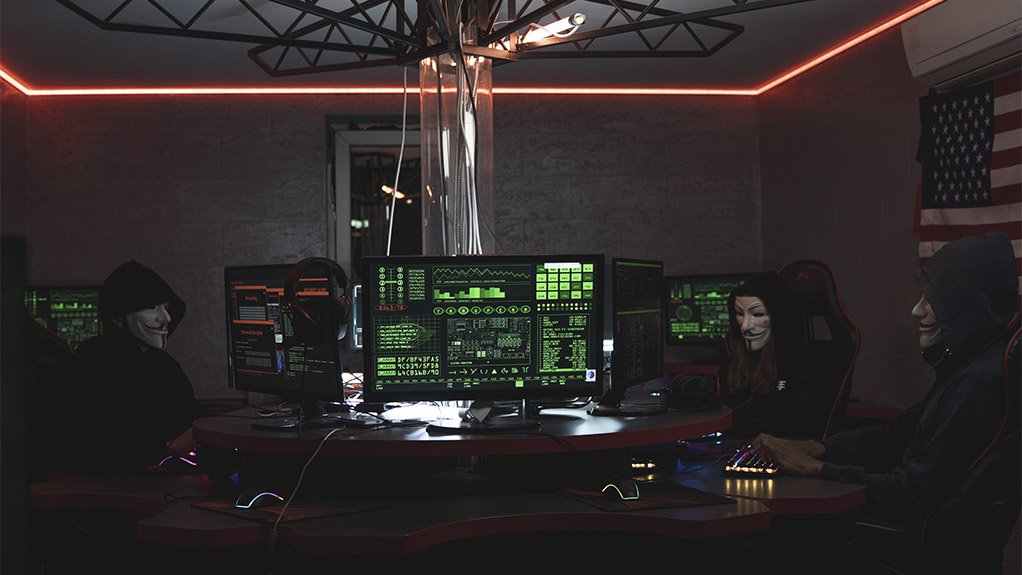



October is Cybersecurity Awareness Month, a campaign observed globally to raise awareness about the importance of protecting oneself from cybersecurity threats. And, with South Africa being ranked sixth among the world’s most affected countries, consumers simply cannot afford to ignore the risks involved in transacting online.
Statistics from WonderNet reveal that in 2021, an average of 97 South Africans fell victim to cybercrime every hour. “Considering that only 60% of South Africans have regular access to the internet, this statistic is particularly shocking and indicates that there is an urgent need for cybersecurity awareness,” says Jackie Smith, Head of Buyers Trust (a subsidiary of ooba Group) - a safe and secure bank-hosted deposit solution for homebuyers.
She believes that consumers urgently need to educate themselves about the risks involved in making financial transactions online because scammers are becoming increasingly sophisticated.
“Unfortunately, the perpetrators of these online crimes are incredibly intelligent and are constantly updating their methods to make it harder to spot the difference between a legitimate and a fake communication or website.”
“The groups that are most vulnerable to cyberattacks are the elderly, individuals who do not use the internet regularly, those who rely on public and open WiFi networks for internet access and –increasingly, those operating in the real estate industry,” she adds.
Real Estate industry seen as an easy target
The real estate industry is particularly vulnerable to fraudulent activity because of the large sums of money that are regularly exchanged in the process of buying and selling a property.
“One type of cybercrime that we’re seeing more frequently in recent years is that of scammers posting an advertisement online for a property for sale or rent. These scammers have no actual relation to the property in question and after an unsuspecting buyer or tenant hands over the cash, they vanish into thin air,” Smith explains.
Phishing is another type of cybercrime commonly experienced in the real estate sector. The term describes a cybercrime perpetrated by an individual or groups who contact potential victims posing as legitimate institutions to lure them into providing private data. This data includes banking and credit card details, passwords, or personal identification information.
In a real estate context, this commonly takes the form of a cybercriminal hacking into the real estate company’s system to study the language used in its communication, the format of the information, and the transaction types. This way, they ensure their fraudulent communications appear to be legitimate (and more convincing).
Phishing is particularly devastating when it is used to steal a homebuyer’s deposit (usually 10-20% of the total purchase price of a home) that the buyer transfers to the real estate agent or conveyancing attorney operating on the seller’s behalf until the transaction is concluded.
“These types of crime commonly and easily occur when e-mail records between the agent, buyer, and the respective lawyers to whom the deposit is paid, are intercepted and , ‘phished’,” she says. “Many real estate agents and lawyers don’t have adequate security measures in place to safeguard a deposit from the risks of a sophisticated attack.”
Safety Checklist for homebuyers when putting down a deposit
To help buyers protect their deposit when transacting online, Smith shares the following recommendations:
- Be vigilant about opening any emails you receive and don’t open any suspicious links or attachments.
- Validate any banking details from the bank in question before making a deposit.
- Always confirm with your Agent before making any deposits. This confirmation should be in person or over the phone as using email could allow a criminal to continue the interception.
- Make sure that you keep your devices up to date with anti-malware software and that you choose strong passwords which are not easy for an attacker to guess.
- Only connect to private WiFi networks that you know and can trust.
- Consider using an alternative to the traditional depositing of cash into a trust account, to secure your purchase. Buyers Trust comes with a Bank Guarantee and provides a safe platform for deposit transactions, that will protect you against the risk of phishing or other such cybercrimes.
The bad news is that even when both real estate professionals and homebuyers follow cybersecurity best practice and are vigilant about suspicious activity, the possibility of human error remains.
“Even the savviest internet users are being caught out by these sophisticated scams and it’s simply not possible to 100% guarantee that you will be protected from any and all threats when transacting online,” says Smith.
“That’s why we recommend taking the ‘human element’ out of the equation when performing large financial transactions, like putting down a deposit on a home, and instead opting to use secure technology. Platforms like Buyers Trust have been designed to ensure the highest level of security and gives buyers peace of mind that their deposit is protected, from the second it leaves their bank account up until it is safely deposited in the seller’s account.”
She concludes, “While many real estate agencies are making efforts to level up their cybersecurity, the nature and prevalence of cybercrime is a clear indication that buyers need to take special measures to safeguard their hard-earned deposits. It's always better to play it safe!
Article Enquiry
Email Article
Save Article
Feedback
To advertise email advertising@creamermedia.co.za or click here
Research Reports

Projects


Latest Multimedia


Latest News


Showroom

ISO-certified Condra manufactures overhead cranes, portal cranes, cantilever cranes and crane components: hoists, drives, end-carriages, brakes and...
VISIT SHOWROOM
For over 60 years, VEGA has provided industry-leading products for the measurement of level, density, weight and pressure. As the inventor of the...
VISIT SHOWROOM


Press Office
Announcements
What's On
Subscribe to improve your user experience...
Option 1 (equivalent of R125 a month):
Receive a weekly copy of Creamer Media's Engineering News & Mining Weekly magazine
(print copy for those in South Africa and e-magazine for those outside of South Africa)
Receive daily email newsletters
Access to full search results
Access archive of magazine back copies
Access to Projects in Progress
Access to ONE Research Report of your choice in PDF format
Option 2 (equivalent of R375 a month):
All benefits from Option 1
PLUS
Access to Creamer Media's Research Channel Africa for ALL Research Reports, in PDF format, on various industrial and mining sectors
including Electricity; Water; Energy Transition; Hydrogen; Roads, Rail and Ports; Coal; Gold; Platinum; Battery Metals; etc.
Already a subscriber?
Forgotten your password?
Receive weekly copy of Creamer Media's Engineering News & Mining Weekly magazine (print copy for those in South Africa and e-magazine for those outside of South Africa)
➕
Recieve daily email newsletters
➕
Access to full search results
➕
Access archive of magazine back copies
➕
Access to Projects in Progress
➕
Access to ONE Research Report of your choice in PDF format
RESEARCH CHANNEL AFRICA
R4500 (equivalent of R375 a month)
SUBSCRIBEAll benefits from Option 1
➕
Access to Creamer Media's Research Channel Africa for ALL Research Reports on various industrial and mining sectors, in PDF format, including on:
Electricity
➕
Water
➕
Energy Transition
➕
Hydrogen
➕
Roads, Rail and Ports
➕
Coal
➕
Gold
➕
Platinum
➕
Battery Metals
➕
etc.
Receive all benefits from Option 1 or Option 2 delivered to numerous people at your company
➕
Multiple User names and Passwords for simultaneous log-ins
➕
Intranet integration access to all in your organisation

