



Release Of Water Services Reports – Benchmarking, Perception Study And Wastewater Technology Guide


Company Announcement - Sustainable Water and Sanitation delivery to our people and population continues to remains high on SALGA’s agenda. Today, as South Africans we can pride ourselves of availability and quality of drinking water provided by many urban Municipalities. A recently completed study by SALGA and the WRC found that 88% of urban South Africans perceived their tap water to be safe to drink. This is 7% higher than a similar study undertaken in 2011, showing increased confidence. The finding concurs with international studies, which found that most people in countries with a reliable potable water supply, perceive tap water as having a low risk. Consumers in the North West and Mpumalanga provinces showed the lowest confidence in their drinking water quality. These two provinces also have the least reliable water supply in terms of consumer experience and perception. A total of 60% of consumers in North West indicated that they suffered water interruptions at least once a month.
While we celebrate these encouraging responses and increased confidence in our municipal services and drinking water quality - there are a number of challenges that still persists. One such challenge is reliability of infrastructure, contributing to high water losses. Some of our municipal infrastructure require major renewal (rehabilitation and replacement) to keep pace with ever increasing consumer demands. A decline of consumer confidence in North West and Mpumalanga is cause for concern. SALGA would certainly be embarking on a process to deepen its understanding on why such situations prevail.
Improving municipal performance, efficacy and competiveness remains high on our agenda. Our measurement instrument, the municipal benchmarking initiative has been a valuable tool in assisting municipalities’ improve their performance relative to peers. The initiative aims to:
- Support improved efficiency and effectiveness in water services delivery through comparative performance benchmarking, peer- to-peer knowledge sharing and iterative performance improvements,
- Strengthened performance measurement, monitoring and management in municipal water services provision, Build communities of practice within and between municipalities through water services the concept of master classes,
- Forge relationships of mutual respect and trust between municipalities and thereby strengthen the development of performance tracking, reporting and comparative assessment systems.
The 2015 benchmarking report released today confirms a year on year improvement in five of the six modules measured. These include
- Product Quality
- Human Resources and Skills Development
- Service Delivery and Backlogs
- Operations and Maintenance
- Financial Management
A concerning area that showed a decline was Water Conservation Demand Management. Such can be attributed to a number of factors which include amongst others ageing infrastructure and consumer behavior. Measures to address these factors includes renewal of infrastructure – the local government water and sanitation infrastructure grant systems makes provision for such from 1 July 2016, and intensifying consumer behavior change on water use through various initiatives such as #savewater and other outreach programmes. The report signifies that local government is moving in the right direction towards improving water services delivery in South Africa. We are optimistic that the next report will show a positive trend on all the six modules.
Transparency and Accountability forms part of our democratic pillars. The release of these reports is part of our endeavors to be transparent and adhere to good governance ethos. Through these reports South Africans are empowered. Communities residing in respective municipalities are in a better position to evaluate their municipal operational performance compared to similar municipalities else in the Country. This for us is fundamental in holding municipal leadership accountable.
Efficient Management of Wastewater Facilities in municipalities is key to our environment. It has thus turn out that municipalities must up their game when selecting the wastewater technology. Research indicates a perverse trend on uptake of sophisticated/very advanced technological choices by highly vulnerable municipalities with low revenue bases. In a quest to addressing this potential risk – the wastewater technology guide released today aims to highlight various alternative appropriate technologies that can be adopted by municipalities with due consideration of the socio – economic implication in mind. In this regard, Municipalities are encouraged to consider applying the guide in quest to developing appropriate wastewater facilities with technological advances that fits their respective circumstances.
Understanding operational and systemic challenges that hinders municipality’s ability to deliver water services is of paramount importance as we move into the 2016-2021 new term of Councils.
While the nature of the infrastructure used to provide services is profoundly influenced by the topography and settlement patterns, the ability of each local economy to sustain and make available skills and expertise is not evenly distributed across the country. It is therefore imperative to recognize the varying characteristics of municipalities. Some of the emerging systemic challenges particularly in the rural areas include:
- Understanding the complexities and complications of running water services systems
- Availability of Staff – proximities to economic hubs
- Value of the Assets and turn over
- Municipal Demarcation process and its implications
The above factors have major water services delivery implications if not understood. Majority of Municipalities faced with these difficulties are C2 – District Municipalities that are water services authorities. Unfortunately most of these are found in the ex-homelands.
SALGA together with its partners are proud to have released these reports and we look forward to releasing more exciting reports in the near future.
Article Enquiry
Email Article
Save Article
Feedback
To advertise email advertising@creamermedia.co.za or click here
Research Reports

Projects

Latest Multimedia

Latest News

Showroom
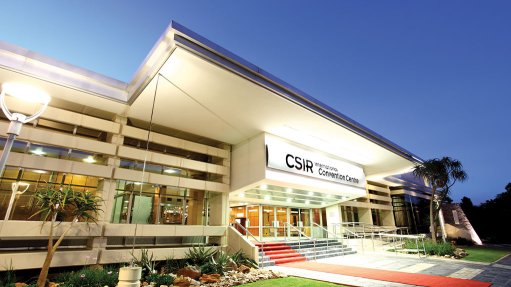
CSIR International Convention Centre (CSIR ICC) - the leading conference and events venue in Pretoria/Tshwane.
VISIT SHOWROOM
We supply customers with practical affordable solutions for their testing needs. Our products include benchtop, portable, in-line process control...
VISIT SHOWROOM
Announcements
What's On
Subscribe to improve your user experience...
Option 1 (equivalent of R125 a month):
Receive a weekly copy of Creamer Media's Engineering News & Mining Weekly magazine
(print copy for those in South Africa and e-magazine for those outside of South Africa)
Receive daily email newsletters
Access to full search results
Access archive of magazine back copies
Access to Projects in Progress
Access to ONE Research Report of your choice in PDF format
Option 2 (equivalent of R375 a month):
All benefits from Option 1
PLUS
Access to Creamer Media's Research Channel Africa for ALL Research Reports, in PDF format, on various industrial and mining sectors
including Electricity; Water; Energy Transition; Hydrogen; Roads, Rail and Ports; Coal; Gold; Platinum; Battery Metals; etc.
Already a subscriber?
Forgotten your password?
Receive weekly copy of Creamer Media's Engineering News & Mining Weekly magazine (print copy for those in South Africa and e-magazine for those outside of South Africa)
➕
Recieve daily email newsletters
➕
Access to full search results
➕
Access archive of magazine back copies
➕
Access to Projects in Progress
➕
Access to ONE Research Report of your choice in PDF format
RESEARCH CHANNEL AFRICA
R4500 (equivalent of R375 a month)
SUBSCRIBEAll benefits from Option 1
➕
Access to Creamer Media's Research Channel Africa for ALL Research Reports on various industrial and mining sectors, in PDF format, including on:
Electricity
➕
Water
➕
Energy Transition
➕
Hydrogen
➕
Roads, Rail and Ports
➕
Coal
➕
Gold
➕
Platinum
➕
Battery Metals
➕
etc.
Receive all benefits from Option 1 or Option 2 delivered to numerous people at your company
➕
Multiple User names and Passwords for simultaneous log-ins
➕
Intranet integration access to all in your organisation

