PVC and Polystyrene Industries Call for Evidence-Based Approach to SA Circular Economy






This article has been supplied.
The Southern African Vinyls Association (SAVA), the African Polystyrene Industry Alliance (APIA) have called for a more inclusive and evidence-based approach to South Africa's circular economy following comments made during the launch of the SA Plastics Pact 2030 Targets in Cape Town.
While welcoming Government's continued support for recycling, Extended Producer Responsibility (EPR) and collaborative action to address plastic pollution, both organisations expressed concern over ongoing efforts to classify certain materials such as PVC and Polystyrene as "problematic plastics" and the potential policy implications of such labels.
According to the industry bodies, both PVC and Polystyrene are often unfairly characterised as difficult-to-recycle materials despite significant progress in collection and recycling over recent years.
"These materials are not sitting outside the circular economy. They are being collected, recycled and converted into valuable new products every day by committed recyclers and manufacturers across South Africa," the organisations said.
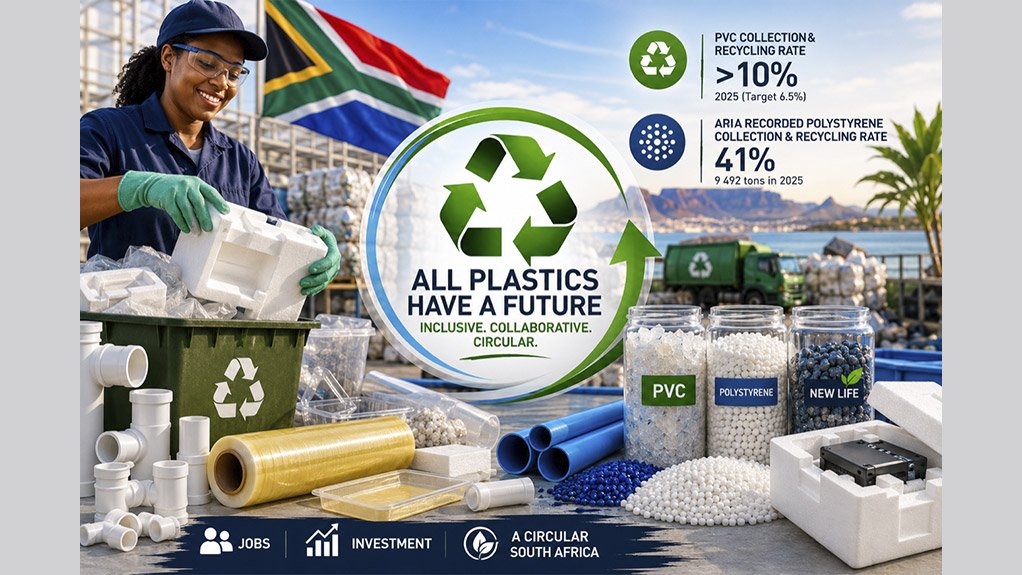
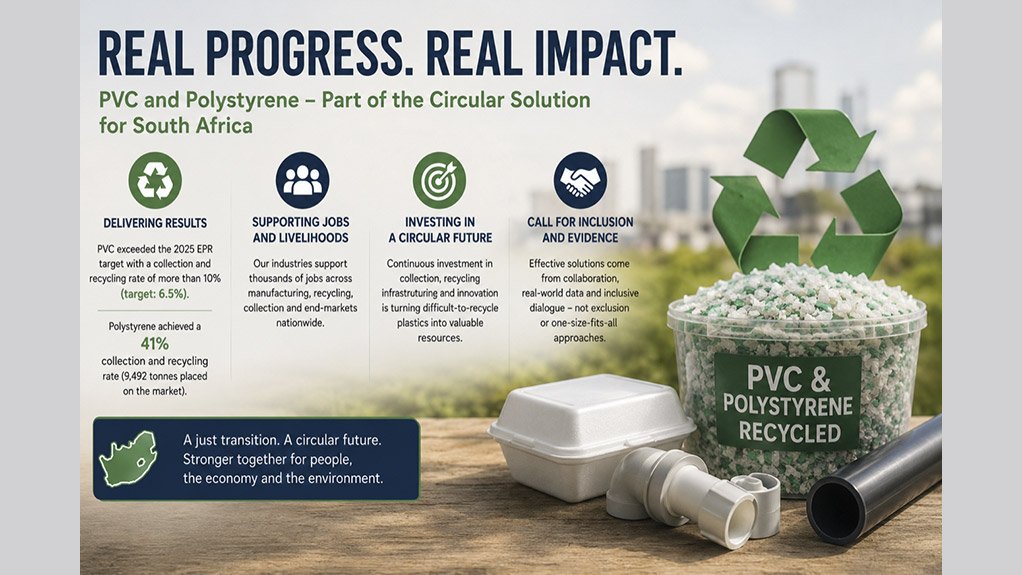
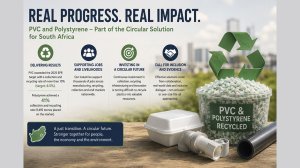
The PVC industry achieved a collection and recycling rate exceeding 10% during the 2025 reporting period, significantly surpassing the Department of Forestry, Fisheries and the Environment's Year 4 EPR target of 6.5%. Similarly, APIA achieved a collection and recycling rate of 41% against 9,492 tonnes of polystyrene placed on the market during the same year.
The organisations argue that these results demonstrate that so-called "difficult-to-recycle" plastics can successfully participate in the circular economy when supported by appropriate collection systems, recycling infrastructure and market development initiatives.
Thousands Of Jobs Depend On These Value Chains
The industry bodies warned that any move to restrict or phase out entire material streams could have significant economic consequences. PVC and Polystyrene support extensive value chains that include manufacturers, converters, recyclers, transporters, waste collectors, reclaimers and numerous small and medium-sized enterprises.
"South Africa cannot afford policy decisions that overlook the livelihoods supported by these industries. Environmental objectives must be balanced with economic realities, particularly in a country facing high unemployment and persistent economic challenges."
The organisations stressed that the country's transition to a circular economy should be a just transition that protects jobs while improving environmental outcomes.
Industry Claims It Has Been Excluded From The Plastics Pact
The statement also challenges suggestions that certain sectors have chosen not to participate in the SA Plastics Pact. According to SAVA and APIA, they have repeatedly approached the Plastics Pact since its formation in 2020 seeking membership and participation in the initiative.
"Contrary to perceptions that the PVC and Polystyrene sectors have refused to engage, we have consistently sought inclusion in the Pact. Unfortunately, these requests have not been accepted."
The organisations believe this exclusion undermines efforts to create a truly collaborative platform capable of addressing South Africa's complex waste management challenges.
Global Targets Do Not Always Fit Local Realities
The industry bodies have also reiterated their long-standing concerns regarding the Plastics Pact's recycling and recycled-content targets. They argue that targets developed by the Ellen MacArthur Foundation and adopted internationally do not adequately reflect the realities of developing economies such as South Africa, where waste management infrastructure, municipal services and socio-economic conditions differ substantially from those in Europe and other developed regions. Instead, the organisations have voiced support for the EPR targets established by Government, describing them as realistic, progressive and better aligned with local circumstances.
"We support ambitious recycling goals, but those goals must be achievable and grounded in South African realities. The EPR framework has already demonstrated that practical, evidence-based targets can drive measurable progress."
Smaller Recycling Streams Need Greater Support
The organisations also expressed concern that excessive focus on achieving a 30% recycled-content target may inadvertently undermine investment in emerging recycling streams. According to the industry bodies, materials that have not yet reached this threshold are often still being collected and recycled, with recyclers investing significant resources in developing end-markets and technologies
"If South Africa wants to move the needle on recycling, then support should be directed towards the smaller and more challenging material streams that are building recycling capacity from the ground up. These are the sectors that need investment, market development and policy support."
The organisations maintain that all plastics can be recycled when sufficient collection systems, infrastructure and end-markets are developed.
The Issue Is Collection And Separation – Not The Material
The statement further rejects claims that PVC and polystyrene contaminate other recycling streams. According to the organisations, the real challenge lies in inadequate collection, sorting and separation systems rather than the materials themselves.
"Blaming specific materials for contamination oversimplifies the problem. The solution is improved collection and sorting infrastructure, not the exclusion of entire material categories." They noted that successful recycling systems around the world routinely manage multiple material streams through effective collection and separation technologies.
Call For Collaboration
SAVA and APIA have called on Government, industry stakeholders and the Plastics Pact to ensure that future discussions around so-called problematic plastics are informed by objective data, scientific evidence and local realities. The organisations reaffirmed their commitment to working with Government and other stakeholders to expand recycling infrastructure, increase collection rates and support South Africa's transition to a circular economy.
"We share the goal of reducing plastic pollution and strengthening recycling systems. Achieving that goal requires collaboration, inclusivity and a recognition of the progress already being made across all sectors of the plastics value chain."
Article Enquiry
Email Article
Save Article
Feedback
To advertise email advertising@creamermedia.co.za or click here




Latest Multimedia

Latest News


Showroom

Stewarts & Lloyds is a leading steel, tube, and engineering product supplier in South Africa.
VISIT SHOWROOM
Sulzer South Africa, established in 1922, partners with critical industries like power, oil & gas, water, mining, and chemicals to boost...
VISIT SHOWROOM



Announcements
What's On
Subscribe to improve your user experience...
Option 1 (equivalent of R125 a month):
Receive a weekly copy of Creamer Media's Engineering News & Mining Weekly magazine
(print copy for those in South Africa and e-magazine for those outside of South Africa)
Receive daily email newsletters
Access to full search results
Access archive of magazine back copies
Access to Projects in Progress
Access to ONE Research Report of your choice in PDF format
Option 2 (equivalent of R375 a month):
All benefits from Option 1
PLUS
Access to Creamer Media's Research Channel Africa for ALL Research Reports, in PDF format, on various industrial and mining sectors
including Electricity; Water; Energy Transition; Hydrogen; Roads, Rail and Ports; Coal; Gold; Platinum; Battery Metals; etc.
Already a subscriber?
Forgotten your password?
Receive weekly copy of Creamer Media's Engineering News & Mining Weekly magazine (print copy for those in South Africa and e-magazine for those outside of South Africa)
➕
Recieve daily email newsletters
➕
Access to full search results
➕
Access archive of magazine back copies
➕
Access to Projects in Progress
➕
Access to ONE Research Report of your choice in PDF format
RESEARCH CHANNEL AFRICA
R4500 (equivalent of R375 a month)
SUBSCRIBEAll benefits from Option 1
➕
Access to Creamer Media's Research Channel Africa for ALL Research Reports on various industrial and mining sectors, in PDF format, including on:
Electricity
➕
Water
➕
Energy Transition
➕
Hydrogen
➕
Roads, Rail and Ports
➕
Coal
➕
Gold
➕
Platinum
➕
Battery Metals
➕
etc.
Receive all benefits from Option 1 or Option 2 delivered to numerous people at your company
➕
Multiple User names and Passwords for simultaneous log-ins
➕
Intranet integration access to all in your organisation