



Managing project delays in response to COVID-19

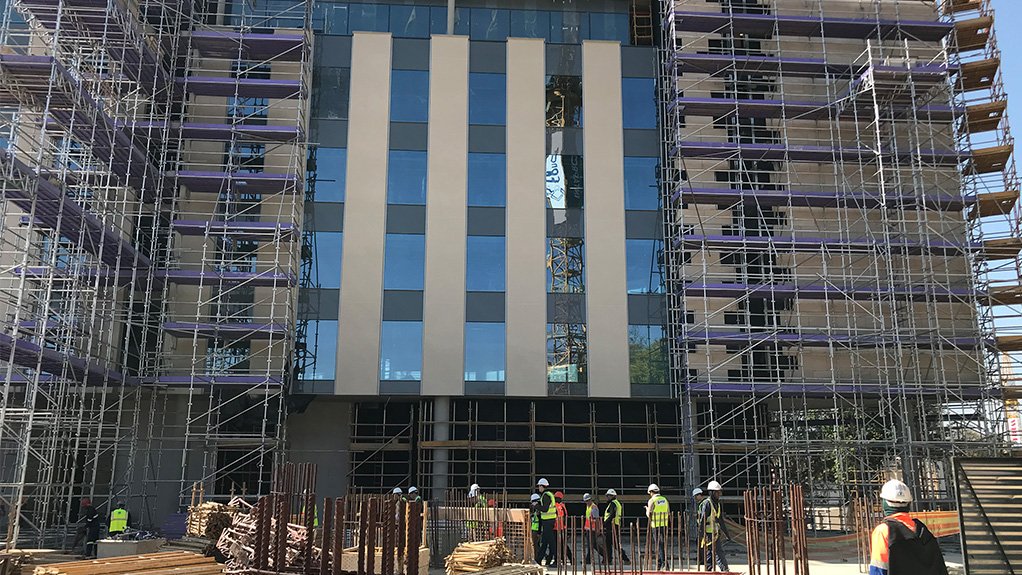

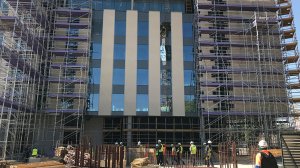


What we are finding where projects or programmes have slowed or have been temporarily suspended (as we respond to the COVID-19), are clients now looking ahead. They are using this time to remain productive and in control, but more importantly looking at ways to bring in their products cheaper and within a timeline suitable to the market.
There are three main areas that we have focussed on with our clients:
-
Take action now: prepare for next measures while the shutdown persists
-
Be ready and informed: act decisively upon a return to work
-
Plan for the future: envision a way forward after the pandemic. In our experience most of our projects in Asia for instance have not started up immediately or at 100% productivity.
1. Take action now:
Here are some actions you can take now to mitigate the impact of COVID-19 on the project design, bid and construction phases of your project.
Project design phase:
Material specifications – material supply is currently one of the biggest challenges we have experienced. We are looking to provide greater levels of cost and schedule controls, and are considering changing material specifications to use products either manufactured locally or where there is sufficient, existing stock.
- Delivery method - consider shifting from a traditional design-bid-build delivery method, to a construction management at risk (CMAR) delivery model. While construction documents continue to be produced, engage a contractor using a ‘fee only’ bid. Form an integrated project team consisting of the CMAR, design team and cost manager to explore the early procurement of long-lead items to mitigate schedule challenges later.
-
Proactive risk management - undertake a quantitative risk analysis to enhance your understanding of cost and schedule exposure.
- Phasing projects – to make them smaller and more manageable. It also means they are better suited to market demand and reduces capital risk. Our clients are using this down time to review the designs against anticipated market demands and returns.
Project bid phase:
- We are seeing many clients reviewing their contract strategy. Regularly we are seeing a change from the EPC type contracts to a traditional BoQ. This allows the risks to be managed at the appropriate place and removes the premium that comes with the EPC type strategy - many are currently not willing to pay.
-
Assess – engage with your project manager to assess if receiving a competitive bid is possible, given current supply chain challenges, most companies are looking for work and will assist in reducing capital costs.
-
Extend – assess the implications of extending the procurement time as it relates to overall schedule end date constraints, this will allow for a thorough review of available materials and allow for potential cost savings to be realised.
-
Reconfigure – consider reconfiguring your request for proposals to include extended, second, and third shifts or other acceleration tactics in your initial buy out. This can also keep construction sites less dense with trade workers to better comply with ‘social distancing’ guidelines.
-
Challenge you supply chain to find new methods of working within the lockdown and subsequent period, this could be a “new normal” and projects need to be delivered. This could include, where possible, offsite fabrication, revised programming to decongest sites and modular fabrication.
-
Advance payments and owner supply material – most companies will struggle with cashflow after the lockdown. Understand what benefits you could receive by providing advance payments or paying manufactures/ equipment suppliers directly.
-
Proactive risk management – regularly update your risk analysis to keep firm control on the impacts of changes during the bid phase.
Project construction phase:
- Swing shifts – consider shifting after-hours work to day-shift while remote working policies are enforced. This could create cost savings.
- Project labour agreements (PLAs) for mega projects – are used on both public and private projects. They generally provide for competitive terms and improved work rules with local unions for large scale, significant spend projects. If your project has not started yet, but is planned for the near future, a PLA may be an appropriate instrument to explore, especially if you are delivering a mega project.
- Contract review – undertake contract reviews to understand your termination/suspension rights and options. Conduct an assessment of remaining cost liabilities under a termination or suspension scenario.
- Certifications – ask your payment certifier to closely monitor that materials stored off-site are not certified for payment. This will limit your exposure in the event of project suspension/termination.
- Proactive risk management – maintain regular risk management updates to stay aware of the impact of changes in construction productivity on your costs to complete and schedule end date.
2. Be ready and informed:
- Undertake a quantitative schedule risk analysis to monetize the risks within the schedule that are tolerable and those that need to be managed with appropriate controls in place.
- Engage with your project manager to assemble two schedule options: one that extends the end date; and one that mitigates the lost time using alternative tactics and incentives. Engage your cost manager to quantify the cost implications of each.
- Have your project manager conduct a risk/benefit analysis comparing each alternative path forward.
- Use the output/report for discussions with internal stakeholders, allowing you to be in a position to act immediately and proactively.
- Consider the place of origin for large-scale material purchases. Have your cost manager and contractor work collaboratively to consider opportunities for hedging or arbitrage (purchasing from a different country of origin with a currently favourable currency exchange rate, to produce commercial advantages).
3. Plan for the future:
Knowing what we now know, how would we manage in a different way? Implement new ways of managing going forward.
Proactively manage commercial risk:
- The importance of building resiliency into your consultant team cannot be understated. Having an independent party verify budget and forecast your cost exposure is of paramount importance.
- Maintain measured control of value at every stage of design through independent, market tested, budget exercises.
- Control the procurement process with robust, auditable templates and reports. Maintain live budgets at every stage and establish one source of truth. This will be valuable in the event of a stoppage or suspension.
- Have your cost manager undertake a full 360-review of the commercial aspects of the project. Usable cost data results in more informed decisions in the future.
Manage contractual and performance risk:
- Standard force majeure clauses may not adequately capture the risks present in the modern world. Enhance contractual language, ensure every duty to mitigate must be sought. Decide if words such as ‘pandemic’, ‘outbreak’, or ‘government-imposed shutdown’ trigger force majeure clauses
- Diversify your supply chain. Ensure that you have options available to you to be able to split important material purchases across multiple countries of origin to limit exposure.
Digital technology:
- Become ‘digitally native’. Use technology from the inception of your project to allow remote working to be highly productive.
- Use building information modelling, data analytics, and a web-based project management tool for maximum continuity and collaboration, accuracy of data for decision-making, and to reduce disruption.
- Ensure internal technology and servers are sized to handle increased teleworking effectively; ensure software license issues are not a cause for business disruption.
Article Enquiry
Email Article
Save Article
Feedback
To advertise email advertising@creamermedia.co.za or click here
Research Reports

Projects


Latest Multimedia


Latest News

Showroom

Rooted in the hearts of South Africans, combining technology and a quest for perfection to bring you a battery of peerless standing. Willard...
VISIT SHOWROOM
SafeQuip is a leading distributor and manufacturer of fire safety solutions, offering a comprehensive range of products designed to meet all...
VISIT SHOWROOM


Announcements
What's On
Subscribe to improve your user experience...
Option 1 (equivalent of R125 a month):
Receive a weekly copy of Creamer Media's Engineering News & Mining Weekly magazine
(print copy for those in South Africa and e-magazine for those outside of South Africa)
Receive daily email newsletters
Access to full search results
Access archive of magazine back copies
Access to Projects in Progress
Access to ONE Research Report of your choice in PDF format
Option 2 (equivalent of R375 a month):
All benefits from Option 1
PLUS
Access to Creamer Media's Research Channel Africa for ALL Research Reports, in PDF format, on various industrial and mining sectors
including Electricity; Water; Energy Transition; Hydrogen; Roads, Rail and Ports; Coal; Gold; Platinum; Battery Metals; etc.
Already a subscriber?
Forgotten your password?
Receive weekly copy of Creamer Media's Engineering News & Mining Weekly magazine (print copy for those in South Africa and e-magazine for those outside of South Africa)
➕
Recieve daily email newsletters
➕
Access to full search results
➕
Access archive of magazine back copies
➕
Access to Projects in Progress
➕
Access to ONE Research Report of your choice in PDF format
RESEARCH CHANNEL AFRICA
R4500 (equivalent of R375 a month)
SUBSCRIBEAll benefits from Option 1
➕
Access to Creamer Media's Research Channel Africa for ALL Research Reports on various industrial and mining sectors, in PDF format, including on:
Electricity
➕
Water
➕
Energy Transition
➕
Hydrogen
➕
Roads, Rail and Ports
➕
Coal
➕
Gold
➕
Platinum
➕
Battery Metals
➕
etc.
Receive all benefits from Option 1 or Option 2 delivered to numerous people at your company
➕
Multiple User names and Passwords for simultaneous log-ins
➕
Intranet integration access to all in your organisation

