


Innovative approaches needed for effective conservation

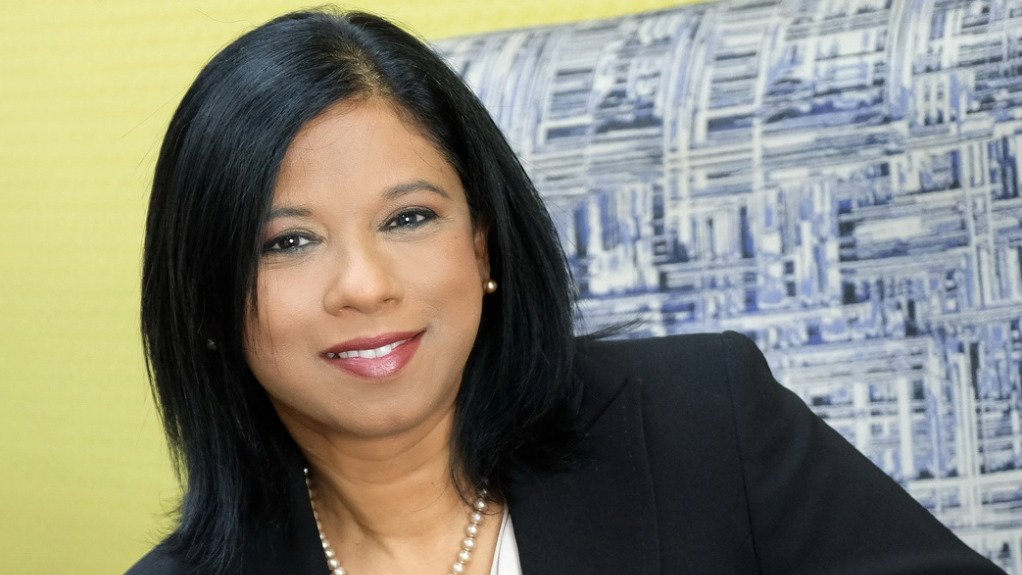
SHOBA GOVENDER Innovative wastewater treatment and recycling are critical in a country where water treatment infrastructure is often ageing and poorly maintained



As South Africa grapples with mounting water stress, innovative approaches to waste management are emerging as crucial aspects of water conservation, with integrated waste management solutions company Interwaste commercial director Shoba Govender noting that it is leveraging its engineered landfills and effluent treatment capabilities to transform contaminated liquid waste into reusable water.
She explains that, although landfills are a last resort, they are still necessary in integrated waste management practices. Engineered landfills are capital intensive and specifically designed to hold characterised waste types authorised for disposal. When rainfall interacts with the waste body, it generates leachate – contaminated liquid that could potentially pollute soil and groundwater.
Interwaste mitigates this risk through a combination of design and technology by diverting rainfall runoff away from the waste body using temporary liners that cover the waste to prevent leachate formation, and leak detection systems to ensure that any contamination is detected.
Further, the company’s effluent treatment plant treats the leachate for reuse on site as a way of reducing reliance on freshwater resources. Govender highlights that, since 2024, the plant has treated more than 30-million litres of leachate and effluent, conserving over 26.7-million litres of water.
In 2025, the plant recovered more than 16-million litres of water, demonstrating how increased throughput directly translates into water savings. The system has also been recognised at industry level, securing runner-up status in the Chemical and Allied Industries’ Association Water Conservation Projects awards in 2025.
Circular Economy Principles, Shared Responsibility
Govender highlights that Inter-waste’s approach is grounded in circular-economy thinking, adding that waste is no longer simply disposed of but rather viewed as a recoverable resource. She shares an example of clay brick production, where municipal water requirements are reduced by substituting wet pulp waste from other processes to lower the net demand for fresh water.
“By managing waste responsibly and keeping it as useful products in circulation, we prevent it from being discarded in our rivers and streams. This approach not only reduces environmental pollution but also adds economic value to materials previously considered as waste.”
She notes that industrial and commercial businesses have a significant role to play in this water-smart approach, and this includes installing greywater recycling systems, implementing wastewater treatment and reuse, and preventing hazardous substances from entering drains to reduce pressure on municipal water infrastructure.
Households can contribute through rainwater harvesting, greywater reuse for gardening and water-saving fixtures.
“Innovative wastewater treatment and recycling are critical in a country where water treatment infrastructure is often ageing and poorly maintained,” Govender adds.
This creates an alternative, reliable water supply for communities and businesses.
While government intervention is necessary, Govender says that businesses, households, schools and communities must play an active role in conservation activities, and for commercial entities, this can mean conducting water audits, investing in recycling systems, reducing pollution and integrating water conservation into operational strategies.
“Water resources need to be treated as the precious resources they are – not a convenience, but a lifeline,” she says.
Interwaste’s model demonstrates how combining waste management with innovative water treatment can address environmental and water scarcity challenges, offering a blueprint for industries and communities across South Africa.
Article Enquiry
Email Article
Save Article
Feedback
To advertise email advertising@creamermedia.co.za or click here
Research Reports

Projects
Latest Multimedia

Latest News
Showroom
Established in 1983, the ASTPM is an industry association and representative body of the welded carbon steel tube and pipe manufacturers of South...
VISIT SHOWROOM
Virtual Gas Network supplies compressed natural gas via a virtual gas distribution network.
VISIT SHOWROOM

Announcements
What's On
Subscribe to improve your user experience...
Option 1 (equivalent of R125 a month):
Receive a weekly copy of Creamer Media's Engineering News & Mining Weekly magazine
(print copy for those in South Africa and e-magazine for those outside of South Africa)
Receive daily email newsletters
Access to full search results
Access archive of magazine back copies
Access to Projects in Progress
Access to ONE Research Report of your choice in PDF format
Option 2 (equivalent of R375 a month):
All benefits from Option 1
PLUS
Access to Creamer Media's Research Channel Africa for ALL Research Reports, in PDF format, on various industrial and mining sectors
including Electricity; Water; Energy Transition; Hydrogen; Roads, Rail and Ports; Coal; Gold; Platinum; Battery Metals; etc.
Already a subscriber?
Forgotten your password?
Receive weekly copy of Creamer Media's Engineering News & Mining Weekly magazine (print copy for those in South Africa and e-magazine for those outside of South Africa)
➕
Recieve daily email newsletters
➕
Access to full search results
➕
Access archive of magazine back copies
➕
Access to Projects in Progress
➕
Access to ONE Research Report of your choice in PDF format
RESEARCH CHANNEL AFRICA
R4500 (equivalent of R375 a month)
SUBSCRIBEAll benefits from Option 1
➕
Access to Creamer Media's Research Channel Africa for ALL Research Reports on various industrial and mining sectors, in PDF format, including on:
Electricity
➕
Water
➕
Energy Transition
➕
Hydrogen
➕
Roads, Rail and Ports
➕
Coal
➕
Gold
➕
Platinum
➕
Battery Metals
➕
etc.
Receive all benefits from Option 1 or Option 2 delivered to numerous people at your company
➕
Multiple User names and Passwords for simultaneous log-ins
➕
Intranet integration access to all in your organisation

