



Centre aiming to develop Braamfontein into ICT R&D hub

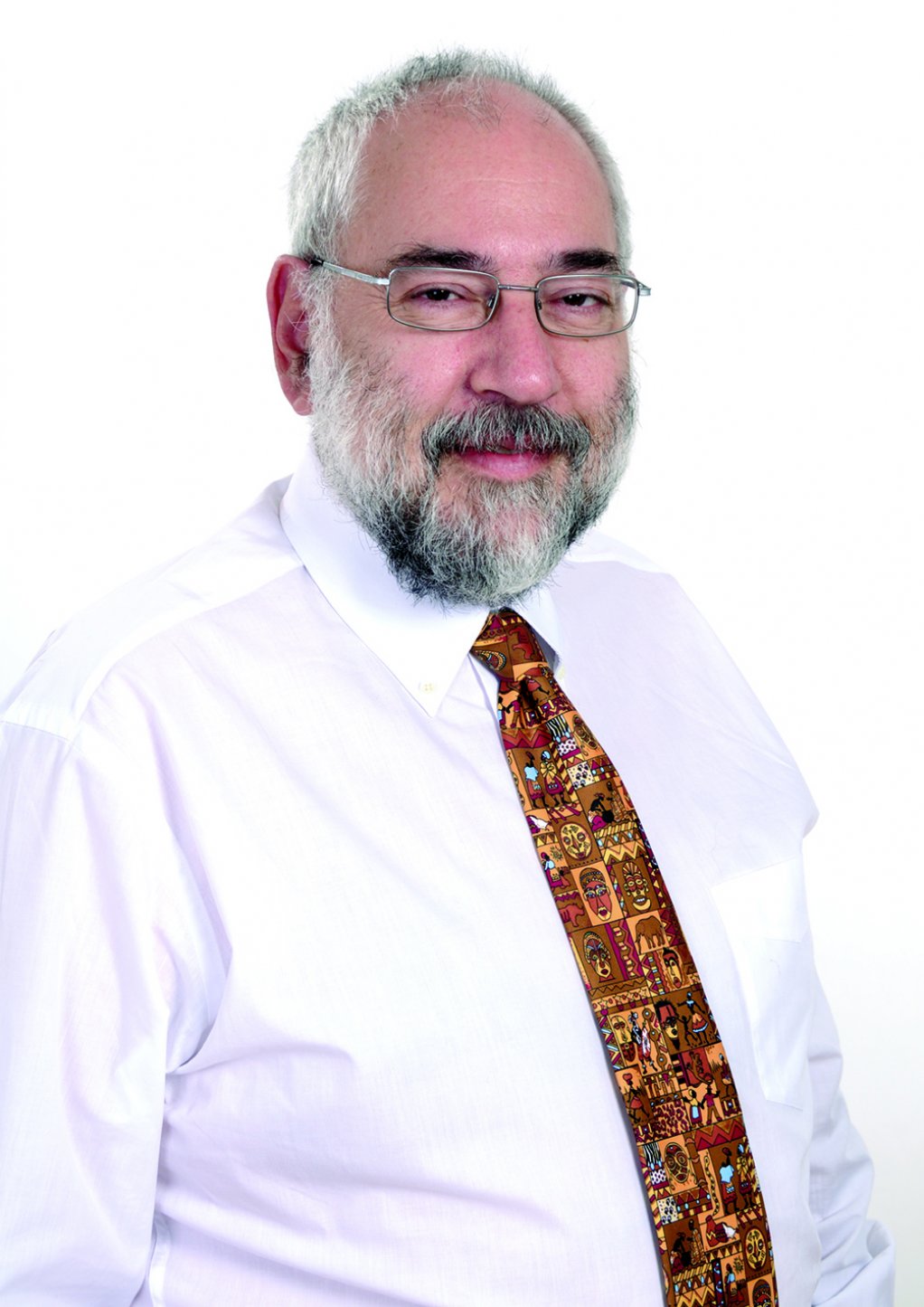
BARRY DWOLATZKY South Africa must provide the skills to develop a significant ICT industry


The Joburg Centre for Software Engineer- ing (JCSE) aims to develop Braam-fontein as a digital research and devel-opment cluster that will provide programming, development and business incubation to support the increased use of digital systems and devices by industries, says JCSE director Professor Barry Dwolatzky.
All industries increasingly use information and communication technology devices and software to conduct business and support internal systems while the use of digital devices, digital content and software is expected to balloon in future.
The Tshimologong Precinct project, which is situated close to the University of the Wit- watersrand (Wits) and the University of Johan-nesburg, will provide the expert skills, training, job creation and enterprise development support needed to develop the precinct into a vibrant high-technology digital development and business cluster.
Dwolatzky aims to have the buildings in inner-city Braamfontein that are owned by Wits repurposed to house the JCSE, training centres, incubation programmes, start-up office space and lifestyle areas that will comprise, for example, cellphone stores, restaurants and coffee shops.
“Silicon Valley, in the US, started as a cluster. There are several key factors governing the success of clusters – a concentration of customers and suppliers, skills development and those who work in the industries. The cohesion of the cluster is maintained by associated institutions, such as universities and research institutes.”
Clusters require a concentration of researchers, students, entrepreneurs and inventors, as well as companies to employ the people and develop the ideas. Clusters also require a concentration of wealth and Gauteng produces more than a third of South Africa’s gross domestic product, despite being the smallest province, highlights Dwolatzky.
A digital cluster requires fast and reliable connectivity to support innovation in the connected world. It will also support col- laboration with other clusters, such as the Band- width Barn, in Cape Town, the iHub cluster, in Kenya, and the Silicon Roundabout, in London.
“A cluster also needs to offer good quality of life factors to draw companies and the wealthy so that this segment of society can establish themselves in the cluster and use the concen-tration of skills and innovation. When the young innovators have become more affluent, they will invest and some will open their own companies to support the next wave of industries.”
Braamfontein also has good access to public transport, such as taxis, buses and trains, owing to the Rea Vaya bus rapid transit system and the Gautrain. The area houses about 5 000 students from South Africa and other parts of Africa.
Coworking areas, where students and others wishing to learn and innovate can work together in a social and an informal setting, are a key component of a cluster. These areas are required to draw entrepreneurs, innovators and energetic students and they also boost the quality of skills in the cluster, as people collaborate and share information.
“The Tshimologong Precinct project aims to demonstrate how one can take inner-city buildings and use them for different purposes. We believe that Braamfontein has this mix; for example, global brewer SABMiller, furniture group JD Group, paper and pulp giant Sappi, State-owned rail group Transnet, mining companies and open-source programming company ThoughtWorks are operating in the area.”
Once a cluster becomes known for its good lifestyle and human capital, large companies that consume the products, skills and software produced will move in, such as search engine giant Google, global networking major Cisco and computing giant IBM, some of which located to the Silicon Roundabout, in London, following the cluster’s successful growth.
“The universities link us with the human capital development required to develop the precinct into a digital development cluster, but we require more support from local govern-ment in the form of good water, electricity and sewerage infrastructure and services.”
Article Enquiry
Email Article
Save Article
Feedback
To advertise email advertising@creamermedia.co.za or click here
Research Reports

Projects


Latest Multimedia
Latest News
Showroom
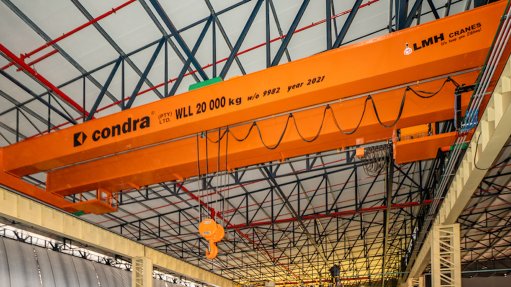
ISO-certified Condra manufactures overhead cranes, portal cranes, cantilever cranes and crane components: hoists, drives, end-carriages, brakes and...
VISIT SHOWROOM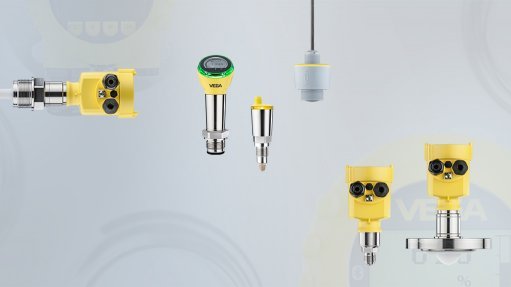
For over 60 years, VEGA has provided industry-leading products for the measurement of level, density, weight and pressure. As the inventor of the...
VISIT SHOWROOM

Press Office
Announcements
What's On
Subscribe to improve your user experience...
Option 1 (equivalent of R125 a month):
Receive a weekly copy of Creamer Media's Engineering News & Mining Weekly magazine
(print copy for those in South Africa and e-magazine for those outside of South Africa)
Receive daily email newsletters
Access to full search results
Access archive of magazine back copies
Access to Projects in Progress
Access to ONE Research Report of your choice in PDF format
Option 2 (equivalent of R375 a month):
All benefits from Option 1
PLUS
Access to Creamer Media's Research Channel Africa for ALL Research Reports, in PDF format, on various industrial and mining sectors
including Electricity; Water; Energy Transition; Hydrogen; Roads, Rail and Ports; Coal; Gold; Platinum; Battery Metals; etc.
Already a subscriber?
Forgotten your password?
Receive weekly copy of Creamer Media's Engineering News & Mining Weekly magazine (print copy for those in South Africa and e-magazine for those outside of South Africa)
➕
Recieve daily email newsletters
➕
Access to full search results
➕
Access archive of magazine back copies
➕
Access to Projects in Progress
➕
Access to ONE Research Report of your choice in PDF format
RESEARCH CHANNEL AFRICA
R4500 (equivalent of R375 a month)
SUBSCRIBEAll benefits from Option 1
➕
Access to Creamer Media's Research Channel Africa for ALL Research Reports on various industrial and mining sectors, in PDF format, including on:
Electricity
➕
Water
➕
Energy Transition
➕
Hydrogen
➕
Roads, Rail and Ports
➕
Coal
➕
Gold
➕
Platinum
➕
Battery Metals
➕
etc.
Receive all benefits from Option 1 or Option 2 delivered to numerous people at your company
➕
Multiple User names and Passwords for simultaneous log-ins
➕
Intranet integration access to all in your organisation

