



BMW’s Rosslyn plant powers up on biowaste-produced renewable energy


South Africa’s first commercially viable biogas-to-electricity plant has successfully started providing renewable energy to automotive manufacturer BMW South Africa’s (SA’s) Rosslyn plant, north of Pretoria.
A year after cementing an offtake deal with the carmaker, energy company Bio2Watt’s Bronkhorstspruit plant generated its first power on October 10, marking BMW’s first step in bringing its Rosslyn plant to 100% self-sufficiency by 2020.
The ten-year offtake partnership aims to provide up to 30% of the 12 MW of energy required by the Rosslyn plant through the delivery of renewable energy from the R150-million 4.4 MW plant.
“The biogas process relies on organic waste, which is directed into a digester where biogas is produced and then goes into a gas engine to produce electricity. This is inserted into the power grid for uptake by power purchasers like BMW,” Bio2Watt CEO Sean Thomas said at a recent launch function.
The plant feeds around 160 t/d of manure, from the thousands of cattle and sheep on the farm, located on major feedlot Beefcor, east of Pretoria, into two anaerobic digesters that produce the biogas feedstock for a combined heat and power application.
Unveiling the plant to media earlier this month, Thomas said that, in total, the plant used around 500 t/d of a combination of manure, abattoir waste, food sludge, fruit and vegetable waste and paper recycling sludge.
The plant is also in close proximity to key fuel supplies, and also has grid access and sufficient water from Beefcor’s stormwater collection dams.
BMW SA MD Tim Abbott told the media that the project contributed to BMW’s sustainability strategy of gradually increasing the use of renewable sources for electricity consumption by its production plants globally from the current 51% to 100% over the next few years.
Over the past year, the group reduced its energy consumption per vehicle by 5% to 2.25 MW and the waste per vehicle produced from 5.73 kg to 4.93 kg.
Meanwhile, Thomas said the modular plant was scalable to 12 MW, but no plans were in place to expand its output at this stage.
However, Bio2Watt is set to start construction on a second waste-to-energy plant on a dairy farm in Malmesbury, in the Western Cape, in 2016, with additional farms being sought for partnerships.
Article Enquiry
Email Article
Save Article
Feedback
To advertise email advertising@creamermedia.co.za or click here
Research Reports

Projects

Latest Multimedia
Latest News
Showroom
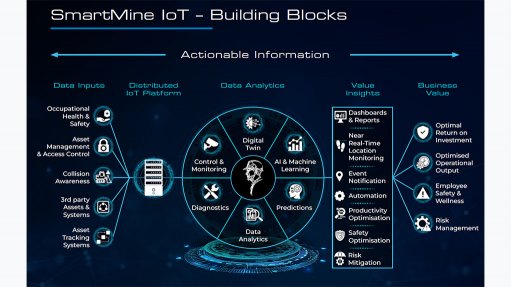
SmartMine IoT has been developed with the mining industry in mind, to provides our customers with powerful business intelligence and data modelling...
VISIT SHOWROOM
Developed to exceed the latest EN 15964 standards for police breathalysers proving that it will remain accurate and reliable for many years to come.
VISIT SHOWROOM
Press Office
Announcements
What's On
Subscribe to improve your user experience...
Option 1 (equivalent of R125 a month):
Receive a weekly copy of Creamer Media's Engineering News & Mining Weekly magazine
(print copy for those in South Africa and e-magazine for those outside of South Africa)
Receive daily email newsletters
Access to full search results
Access archive of magazine back copies
Access to Projects in Progress
Access to ONE Research Report of your choice in PDF format
Option 2 (equivalent of R375 a month):
All benefits from Option 1
PLUS
Access to Creamer Media's Research Channel Africa for ALL Research Reports, in PDF format, on various industrial and mining sectors
including Electricity; Water; Energy Transition; Hydrogen; Roads, Rail and Ports; Coal; Gold; Platinum; Battery Metals; etc.
Already a subscriber?
Forgotten your password?
Receive weekly copy of Creamer Media's Engineering News & Mining Weekly magazine (print copy for those in South Africa and e-magazine for those outside of South Africa)
➕
Recieve daily email newsletters
➕
Access to full search results
➕
Access archive of magazine back copies
➕
Access to Projects in Progress
➕
Access to ONE Research Report of your choice in PDF format
RESEARCH CHANNEL AFRICA
R4500 (equivalent of R375 a month)
SUBSCRIBEAll benefits from Option 1
➕
Access to Creamer Media's Research Channel Africa for ALL Research Reports on various industrial and mining sectors, in PDF format, including on:
Electricity
➕
Water
➕
Energy Transition
➕
Hydrogen
➕
Roads, Rail and Ports
➕
Coal
➕
Gold
➕
Platinum
➕
Battery Metals
➕
etc.
Receive all benefits from Option 1 or Option 2 delivered to numerous people at your company
➕
Multiple User names and Passwords for simultaneous log-ins
➕
Intranet integration access to all in your organisation

